
- What is an Ultra-telephoto Zoom Lens? Points to consider when choosing a lens and sample photographs
- December 20, 2024
What is an Ultra-telephoto Zoom Lens? Points to consider when choosing a lens and sample photographs
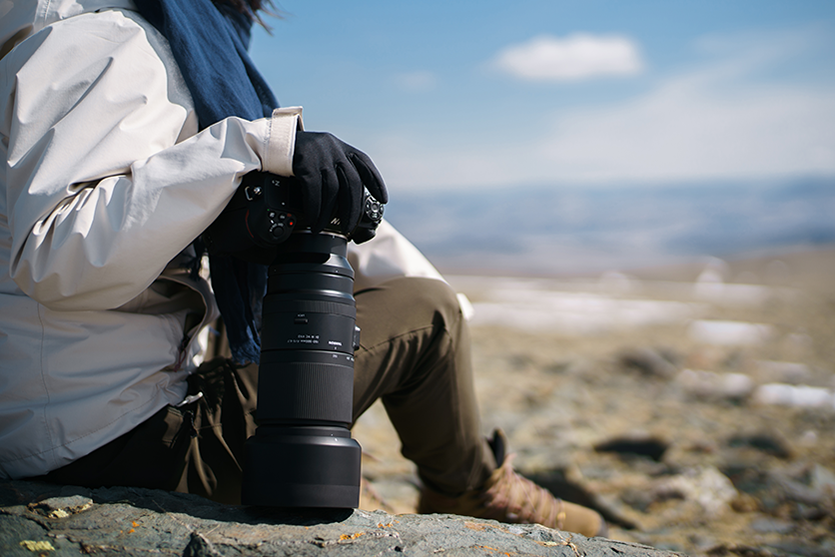
One of the joys of photography is capturing images of the world that cannot be captured with the naked eye. Among these lenses, ultra-telephoto zoom lenses allow you to get very close to distant subjects and bring out their unique charm. In this article, we will introduce the characteristics of ultra-telephoto zoom lenses, how to use them, and points to consider when selecting a lens.
What is an Ultra-telephoto Zoom Lens?
Generally, lenses with a focal length of approximately 80 mm or longer are called telephoto lenses, and among these, lenses with a focal length of approximately 300 mm or longer are called “Ultra-telephoto Zoom Lenses”.
Ultra-telephoto zoom lenses can get even closer to distant subjects than ordinary telephoto lenses, and are useful in situations where it is difficult to get close, such as wildlife and sports.
Scenes to capture with an Ultra-telephoto Zoom Lens
Ultra-telephoto zoom lenses can take advantage of their long focal lengths to capture a variety of subjects in impressive ways. Here we will introduce some fascinating photographic scenes that epitomize the use of ultra-telephoto zoom lenses.
Wildlife
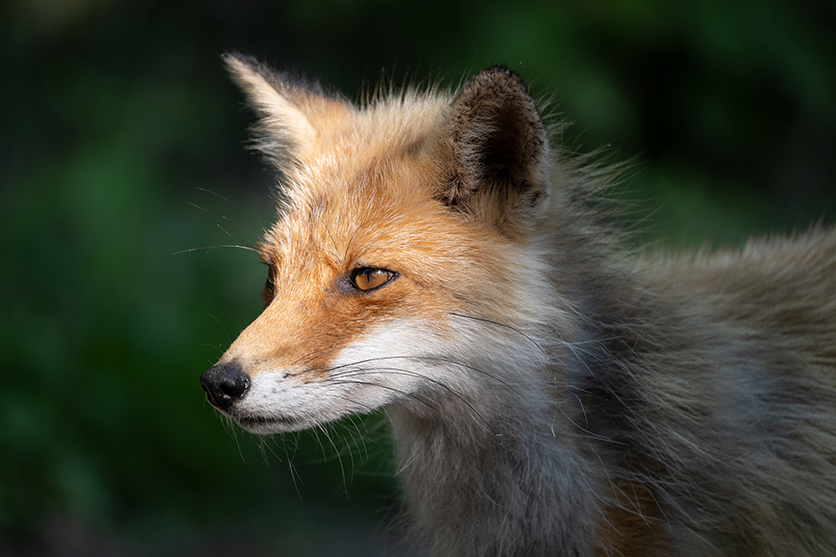
TAMRON 50-400mm F4.5-6.3 (Model A067) Focal length: 400mm Exposure: F6.3 Shutter Speed: 1/250sec ISO: 500
When photographing wild animals, an ultra-telephoto zoom lens allows you to capture wary birds and animals from a safe distance without disturbing their ecology. With a focal length of about 300mm or more, you can clearly capture delicate details such as the fine detail of a bird’s feathers, the fur of a squirrel, or the expression of a fox.
Natural Landscapes
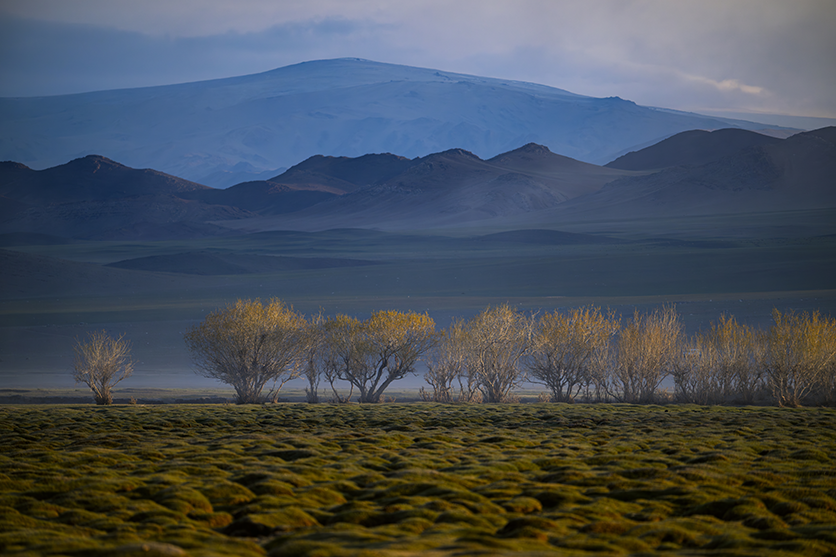
TAMRON 150-500mm F5-6.7 (Model A057) Focal length: 385mm Exposure: F6 Shutter Speed: 1/640sec ISO: 400
Ultra-telephoto zoom lenses bring out new charms in landscape photography. They allow you to cut out parts of a landscape that cannot be captured with a wide-angle lens, such as the ridges of distant mountains, prominent trees, and sunsets reflected on the water. In addition, by utilizing the compression effect of the lens, you can increase the density of the background and create a more powerful landscape photo.
Moon
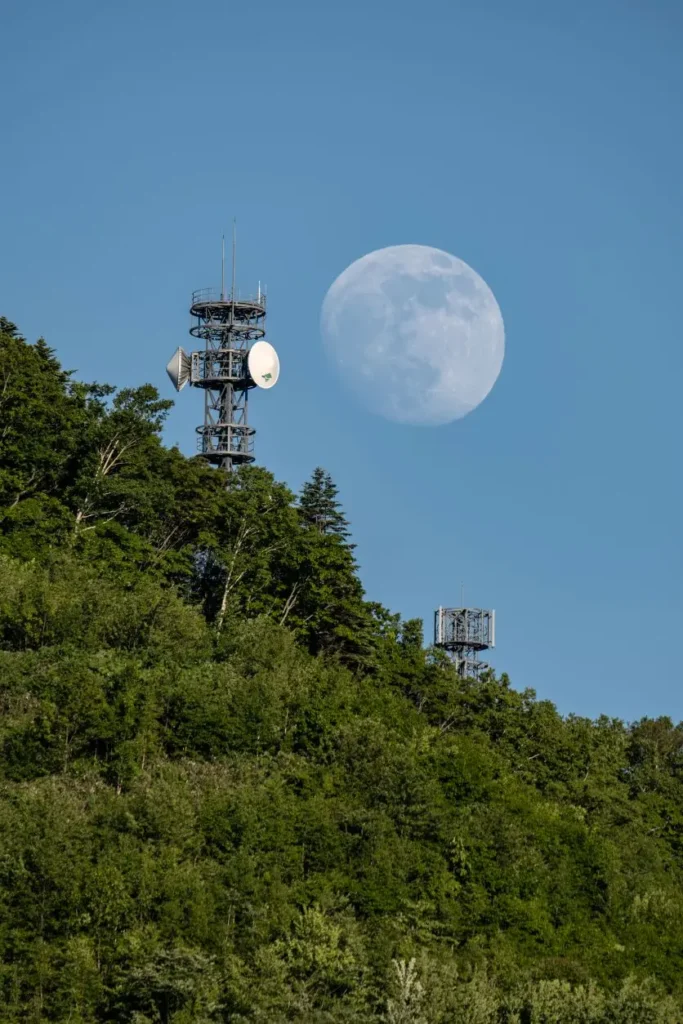
TAMRON 150-500mm F5-6.7 (Model A057) Focal length: 473.5mm Exposure: F8 Shutter Speed: 1/1800sec ISO: 800
Ultra-telephoto zoom lenses are also useful for photographing celestial bodies and the moon. With a focal length of about 300mm or more, you can capture even the finest details, such as the craters of the moon, in minute detail.
However, the faster the shutter speed, the less light enters the sensor, so it is important to note that underexposure is likely to occur when shooting in dark places.
Characteristics of slow shutter speeds
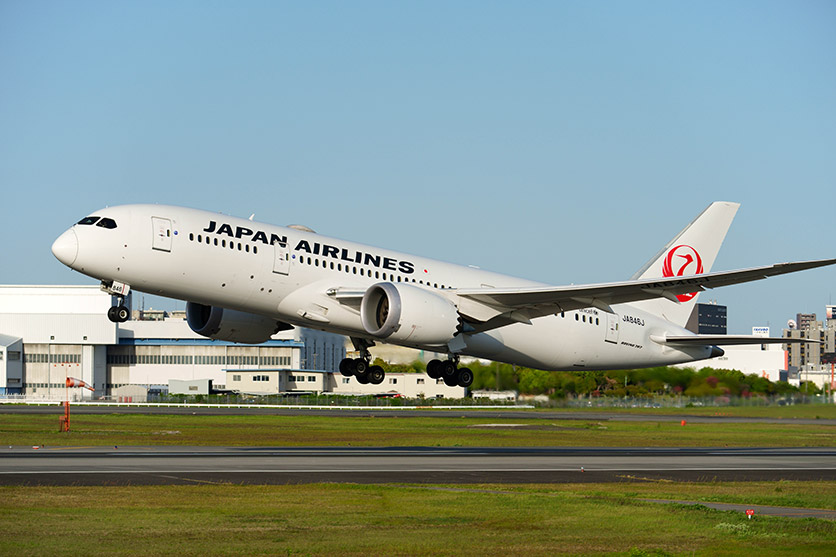
TAMRON 150-500mm F5-6.7 (Model A057) Focal length: 154mm Exposure: F7.1 Shutter Speed: 1/1250sec ISO: 250
Usually, you can’t get close to airplanes, but with an ultra-telephoto zoom lens you can get up close and take pictures. You can capture not only the impressive sight of the plane taking off and landing, but also the entire plane in flight, the cockpit, and the engine in detail. If you shoot at the time of day, such as sunrise or sunset, you can capture an impressive landscape where the color of the sky and the silhouette of the plane are woven together.
Railroad
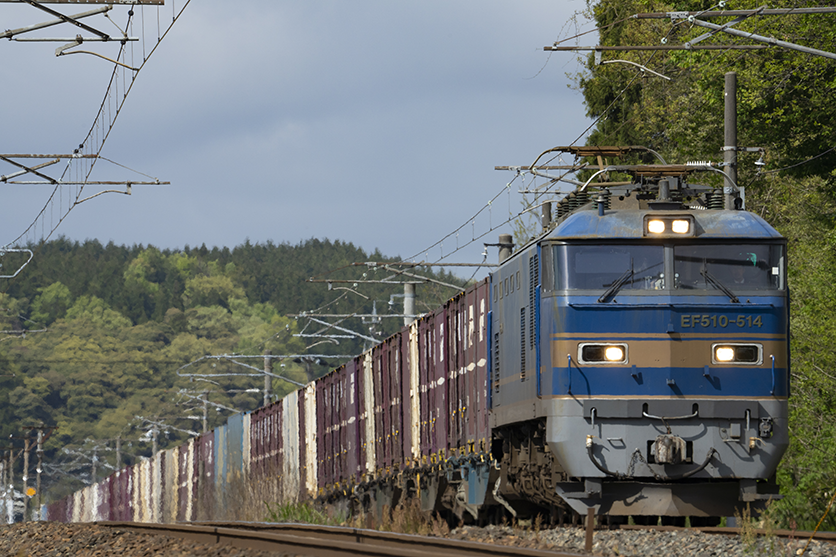
TAMRON 150-500mm F5-6.7 (Model A057) Focal length: 425mm Exposure: F16 Shutter Speed: 1/640sec ISO: 400
For railway photography, try using the compression effect that only an ultra-telephoto zoom lens can provide. By taking a picture of a moving train from a distance and ultra imposing the train on the mountain range or cityscape in the background, you can create a more emotional composition. In addition, because the details of the vehicle can be clearly captured even from a distance, the beauty of the train’s shape can be expressed impressively.
Sports

TAMRON 50-400mm F4.5-6.3 (Model A067) Focal length: 400mm Exposure: F6.3 Shutter Speed: 1/1250sec ISO: 1600
Using an ultra-telephoto zoom lens, you can capture the dynamic play of players even from the stands. Not only can you capture the whole body, but you can also capture the emotions of players and the tension of the game by getting close to the details such as facial expressions and sweat droplets. In order to reliably capture fast-moving subjects, it is important to choose a lens with excellent AF performance. In addition to AF accuracy and precision, choose a lens with high motion tracking performance when shooting.
Close-ups that make the most of large bokeh
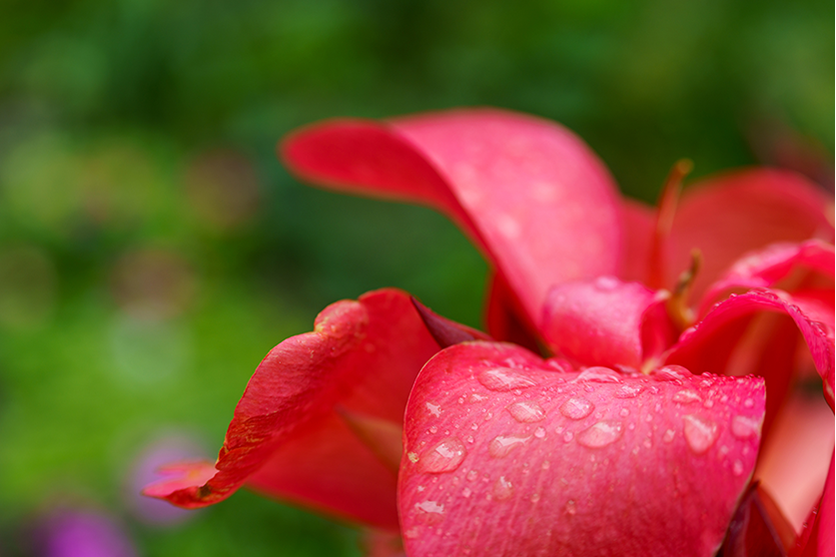
TAMRON 50-400mm F4.5-6.3 (Model A067) Focal length: 400mm Exposure: F6.3 Shutter Speed: 1/1000sec ISO: 1250
Ultra-telephoto zoom lenses also produce large bokeh. In particular, shooting with a F-number close to maximum aperture can create beautiful bokeh in the background. With a lens with a short minimum shooting distance, you can get close to flowers and small animals while also capturing the colors of the background as soft bokeh.
Snapshots and portraits that make use of the compression effect
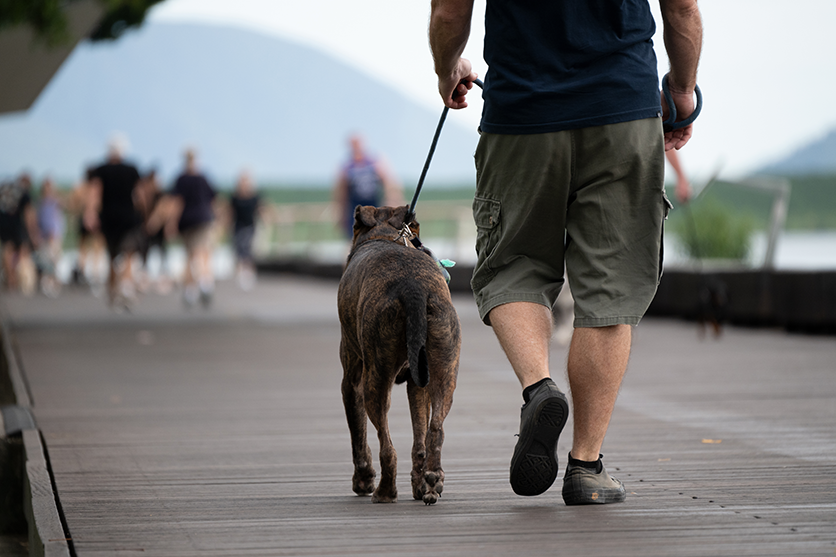
TAMRON 50-400mm F4.5-6.3 (Model A067) Focal length: 400mm Exposure: F6.3 Shutter Speed: 1/800sec ISO: 800
Ultra-telephoto zoom lenses are useful not only for capturing distant subjects, but also for portraits. By shooting from a certain distance between the person and the background, the sense of distance between the person and the background is compressed, giving the impression that the main subject is drawn in. Similarly, in snapshots, the impression of the subject can be greatly changed by the choice of background.
Characteristics of Ultra-telephoto Zoom Lenses
From here, we will introduce four basic characteristics of ultra-telephoto zoom lenses. Understanding these characteristics will make it easier to choose the appropriate lens depending on the subject.
Close-up on a distant subject
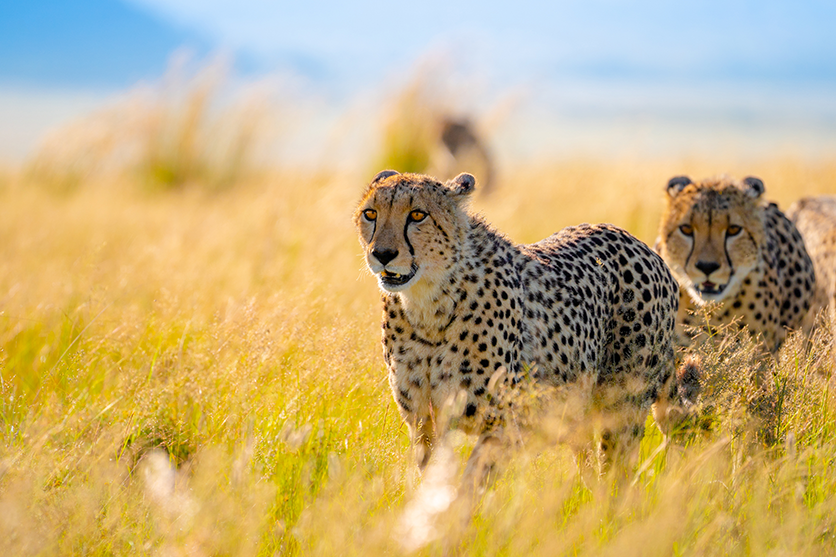
TAMRON 150-500mm F5-6.7 (Model A057) Focal length: 369mm Exposure: F6.3 Shutter Speed: 1/1250sec ISO: 400
As mentioned above, the greatest feature of an ultra-telephoto zoom lens is that it can get very close to a distant subject. Even from a distance that a normal telephoto lens cannot capture, it can capture fine details that are difficult to see with the naked eye, such as the fur of wild animals, the texture of mountain surfaces, and the details of buildings. This feature makes it possible to create powerful photographs even in situations where you cannot get close to the subject physically.
Cut out the scenery with a narrow angle of view
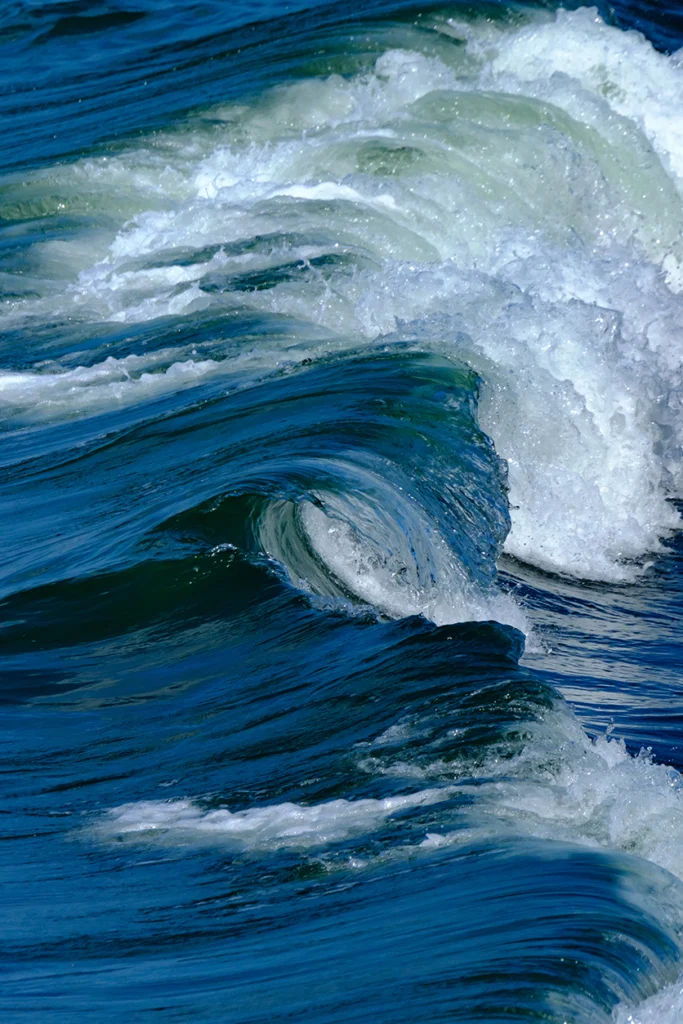
TAMRON 150-500mm F5-6.7 (Model A057) Focal length: 500mm Exposure: F11 Shutter Speed: 1/2000sec ISO: 1250
Ultra-telephoto zoom lenses have a narrower angle of view because of their long focal length. By taking advantage of this characteristic, it is possible to cut out only an impressive part of a vast landscape. For example, you can get close to the fine details of a building’s design or decoration, or the patterns of an animal, and express them full on the screen.
Large bokeh
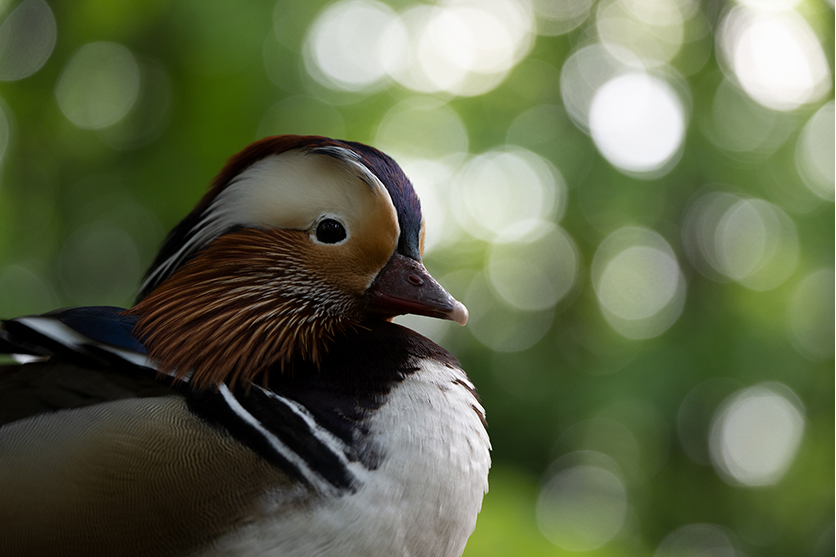
TAMRON 50-400mm F4.5-6.3 (Model A067) Focal length: 191mm Exposure: F6.3 Shutter Speed: 1/50sec ISO: 800
Another major feature of ultra-telephoto zoom lenses is the impressive background bokeh due to the shallow depth of field. The longer the focal length, the shallower the depth of field, so everything other than the narrow range in focus will appear greatly blurred. When photographing portraits, wild birds, or flowers, you can make impressive photos by applying this feature. Also, if there is a point light source in the background, you can try incorporating ball bokeh.
Compression effect
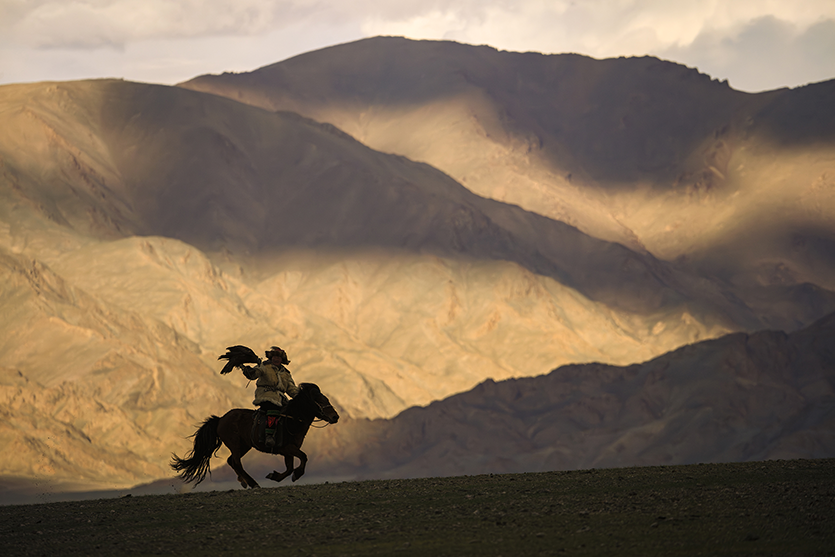
TAMRON 150-500mm F5-6.7 (Model A057) Focal length: 500mm Exposure: F8 Shutter Speed: 1/2000sec ISO: 800
When photographing a waterfall, the appropriate shutter speed will vary depending on what you want to express. If you want to capture the spray and shape of a waterfall in detail, a shutter speed of 1/500 seconds or faster is recommended. On the other hand, if you want to express the silky smoothness of water flow, a shutter speed of 1/2 seconds or slower is recommended.
However, if you shoot on a sunny day with a slow shutter speed, it is easy to overexpose, so it is a good idea to prepare an ND filter (neutral density filter).
Tips for using Ultra-telephoto Zoom Lenses
Here are some practical tips for taking more beautiful photos with ultra-telephoto zoom lenses.
Use a tripod
Because ultra-telephoto zoom lenses have a long focal length, even the slightest camera shake can cause camera shake on the screen. When shooting still subjects such as landscapes and architecture, it is a good idea to use a tripod if possible.
On the other hand, when shooting subjects whose movements are difficult to predict, such as wild birds, animals, and sports, handheld shooting is easier to respond flexibly. When shooting handheld, you can take more stable photos by keeping your arms tight and supporting the camera firmly with both hands.
Make use of image stabilization
When shooting handheld, make active use of the image stabilization function. Especially with ultra-telephoto zoom lenses, even the slightest shake of the hand can easily cause large blurs, so turning on image stabilization will enable stable shooting. In addition, when choosing a lens, it is a good idea to check the effectiveness of in-lens image stabilization.
Pay attention to exposure so that it doesn’t become dark
Ultra-telephoto zoom lenses have a long focal length and tend to have a dark maximum F-number, so the amount of light entering the image is small. In particular, when shooting in dark environments or at dusk, it is easy to become underexposed, so care must be taken. To ensure appropriate brightness, try raising the ISO sensitivity appropriately and setting the shutter speed as slow as possible.
Think about the composition and background
Because ultra-telephoto zoom lenses have a narrow angle of view, even slight differences in composition can change the impression of the photo. Consider not only the placement of the main subject, but also the selection of background elements. Even with the same subject, you can bring out completely different expressions by changing the shooting position and the angle at which the camera is pointed. Try taking pictures from various positions and angles repeatedly.
How to choose an Ultra-telephoto Zoom Lens
Here are some points to pay particular attention to when choosing a lens. By considering these elements in a balanced way, you will be able to choose a lens that suits what you want to shoot.
Aperture value
A lens with a small aperture value can capture more light into the sensor, making it easier to take brighter photos. Lenses with an aperture value of F4.5 or F5 make it easier to ensure exposure even in dark environments, and make it easier to flexibly set shutter speeds, etc. In addition, the background blur will be greater, allowing for more impressive photographic expression.
Focal length
If the focal length covers a range of about 400mm to 500mm at the telephoto end, it will be suitable for a variety of photography, including birds, wildlife, and sports. In addition, if you have a zoom lens that can cover the wide-angle end from 70mm to 100mm, you can handle a wide range of shooting, from landscape photography to portraits, with just one lens.
Weight and compactness
Due to their structure, ultra-telephoto zoom lenses tend to be large and heavy. Among them, choosing a lens that is as light and compact as possible can reduce fatigue when shooting handheld, making it more comfortable to carry for long periods of shooting or when traveling. It will also be easier to secure space when shooting without adding bulk to your luggage.
Autofocus (AF) performance
With ultra-telephoto zoom lenses, there are many opportunities to shoot fast-moving subjects such as wild birds and sports. Therefore, a high-performance AF that can focus quickly and accurately is required. In addition to the accuracy of the AF, you should also check the high level of motion tracking performance that can track the movement of the subject. In scenes where sound is sensitive, such as photographing wild animals, quiet AF operation is also an important point.
Image stabilization mechanism
In-lens image stabilization is an important function of ultra-telephoto zoom lenses. With an in-lens image stabilization mechanism, stability is improved when shooting handheld, making it easier to take stable photos even with slower shutter speed settings. At the same time, be sure to check the effectiveness of the image stabilization and whether it is adjustable.
Minimum shooting distance
By choosing a lens with a short minimum shooting distance, you can take photos from a closer distance, such as close-up shots of flowers and small animals, and enjoy a wider variety of expressions with just one lens.
Take advantage of the benefits of Ultra-telephoto Zoom Lenses!
Ultra-telephoto zoom lenses are lenses that can get close to distant subjects and capture them filling the screen. It is a must-have lens when photographing specific subjects such as birds, wildlife, sports, and airplanes. When choosing a lens, check not only the optical performance but also the size and functionality such as AF. Understand the unique features of ultra-telephoto zoom lenses and try to take advantage of their appeal.

Lens Featured in this Impression
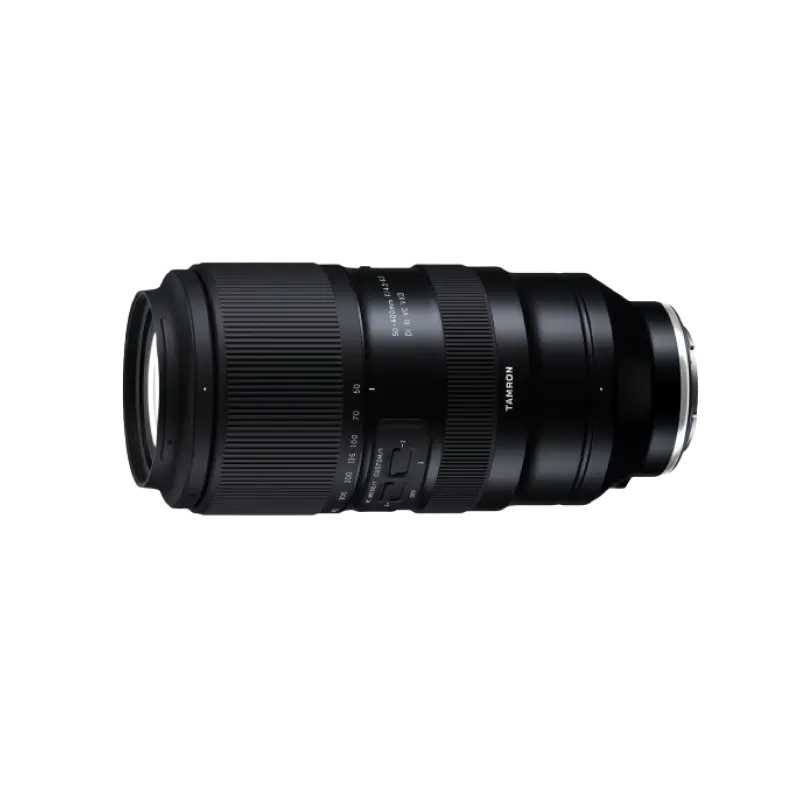
50-400mm F/4.5-6.3 Di III VC VXD (Model A067)
The 50-400mm F/4.5-6.3 Di III VC VXD (Model A067) is an ultra-telephoto zoom lens with an 8x zoom starting at 50mm at the wide-angle end and compatible with full-frame mirrorless cameras. The lens delivers uncompromised high image quality over the entire 50-400mm focal length range, yet is as compact and lightweight as a 100-400mm class lens. Equipped with the VXD mechanism and the VC mechanism, the lens can quickly focus on the subject's movement when shooting sports and wild birds. The 50-400mm F4.5-6.3 VC is a new ultra-telephoto zoom lens that combines unparalleled image quality and mobility.
Learn more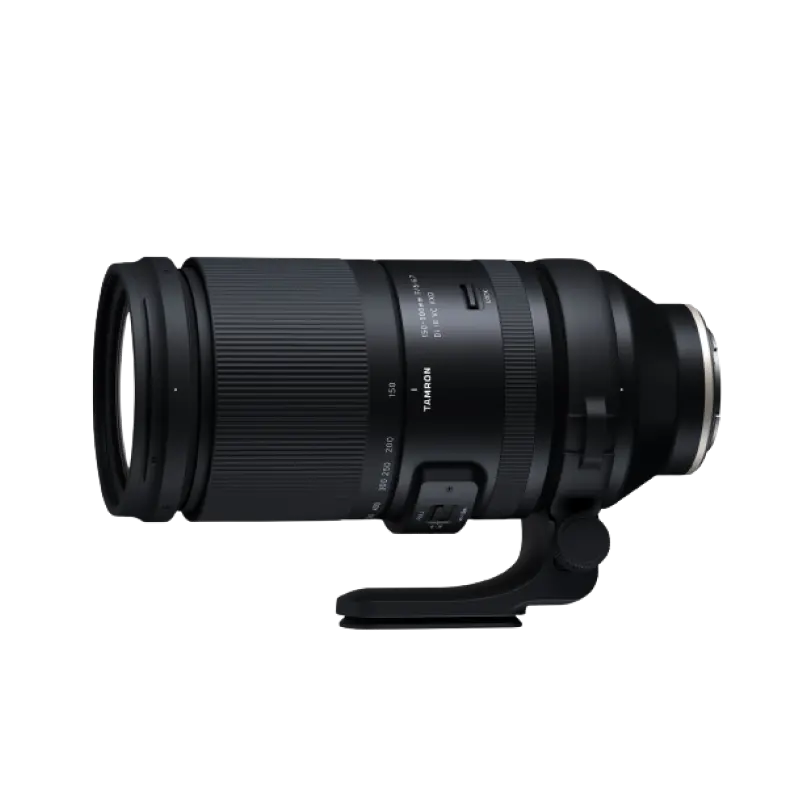
150-500mm F/5-6.7 Di III VC VXD (Model A057)
The 150-500mm F/5-6.7 Di III VC VXD (Model A057) is compact enough to be handheld while maintaining a focal length of 500mm on the telephoto end. It allows users to easily enjoy the world of the 500mm ultra-telephoto lens while maintaining its high image quality. The high-speed, high-precision AF with excellent tracking performance and the VC mechanism support handheld shooting in the ultra-telephoto range.
Learn more