
- What is RAW in photography? Understanding its advantages, disadvantages, and differences from JPEG
- January 31, 2025
What is RAW in photography? Understanding its advantages, disadvantages, and differences from JPEG
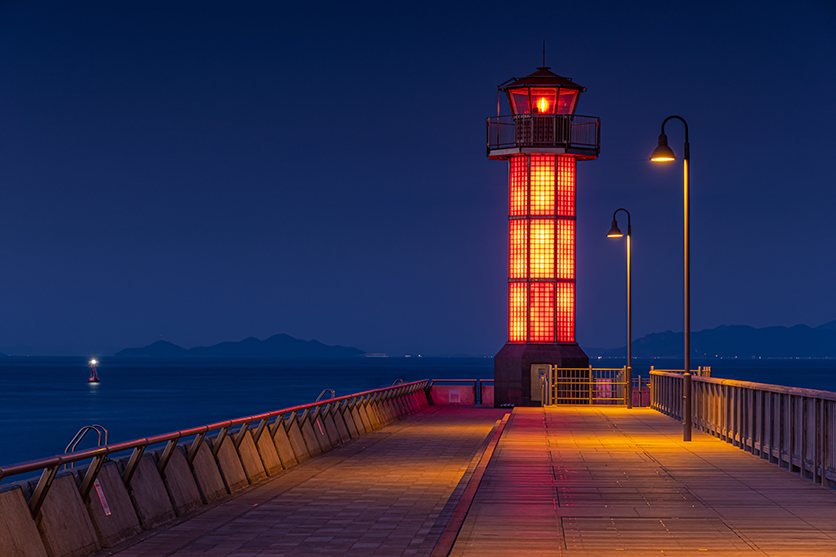
When shooting with a digital interchangeable-lens camera, you have two main options for image recording formats: RAW and JPEG. JPEG is a convenient, lightweight file format, but shooting in RAW allows for more detailed adjustments to exposure, white balance, and other aspects. This article provides an in-depth look at the characteristics and uses of RAW images.
What is a RAW image?
A RAW image is a format that records the raw RGB data captured by a digital interchangeable-lens camera’s image sensor without any image processing or compression. Since this data is before any editing (processing), it is sometimes referred to as a “digital negative,” similar to film camera development processes.
By shooting in RAW, you have much more flexibility in adjusting exposure and color balance during processing, allowing you to achieve a closer representation of your intended expression. For example, subtle sky colors during sunset or shadow details in backlit photos can be more richly rendered in RAW, which might be difficult to capture with JPEG. You can also correct underexposed images taken in the field or make significant adjustments to color tones to suit your preferences.
Differences between RAW and JPEG images
When comparing RAW and JPEG, JPEG is considered a “finished product” because it has already been processed within the camera, while RAW is considered “material” before processing. Let’s take a closer look at the main differences:
File size
Since RAW images are recorded without compression, they have a very large file size. For example, with a 24-megapixel camera, a JPEG file might be around 3MB to 5MB, while a RAW file could range from 20MB to 30MB, or even more. Therefore, when shooting in RAW, it’s essential to have ample storage space on your media and devices.
Editing flexibility
RAW images retain more brightness and color information than JPEGs, allowing for greater flexibility in post-capture adjustments.
JPEGs are saved as gamma-corrected 8-bit data, limiting the range of adjustments possible. However, the RAW data of a typical digital interchangeable-lens camera is based on 12-bit or 14-bit sensor output, allowing for a wider range of tonal gradation and editing leeway.
For example, exposure can be adjusted over a wide range, so even if an image taken on location is underexposed, it can often be recovered later.
In addition, white balance can be freely adjusted. Shoot on location using auto white balance, and then edit to your preferred color and expression later. Furthermore, while JPEG image quality deteriorates with repeated editing, RAW data is saved in a non-destructive format, minimizing image degradation even after editing without affecting the original data.
Convenience
One of the drawbacks of RAW is that it cannot be viewed as a standard image without processing. This means additional time and effort are required for post-processing to make the image viewable. Additionally, RAW files are larger in size, so you must ensure your SD cards or storage devices have enough capacity.
On the other hand, one of the major advantages of JPEG is its convenience. After shooting, JPEG images can be quickly transferred to a smartphone for sharing on social media or printed immediately.
Disadvantages of RAW images
As mentioned earlier, the main benefit of RAW images is the high level of flexibility in post-processing. RAW allows for a much broader range of exposure adjustments compared to JPEG. For instance, if you look at a photo and think “I wish it were a bit brighter,” RAW gives you the ability to make these adjustments later.
Additionally, if the white balance was off during shooting or you want to adjust colors, RAW files provide the freedom to do so afterward. In environments with complex lighting or scenes with high contrast, you can tweak exposure and color temperature to precisely match your intended expression.
RAW image processing
RAW image processing requires dedicated software. By processing the image, it becomes viewable on devices like a PC. These software programs allow a wide range of edits, from basic adjustments such as exposure and white balance to more advanced editing like noise reduction and sharpness adjustments.
A typical workflow involves adjusting exposure and white balance first, followed by fine-tuning highlights and shadows, and then refining colors and details. Frequently used settings can be saved as presets for quicker processing, ensuring a consistent look for photos taken at the same time or location.
In contrast, with JPEG images, this kind of in-depth processing is done automatically by the camera, making fine adjustments difficult.
Scenes suitable for RAW photography
For casual photography, JPEG is usually sufficient. However, when you’re aiming for perfection or shooting scenes where you can’t afford to make mistakes, shooting in RAW+JPEG is highly recommended. Below are examples of how RAW is particularly useful in different scenes.
Landscape photography
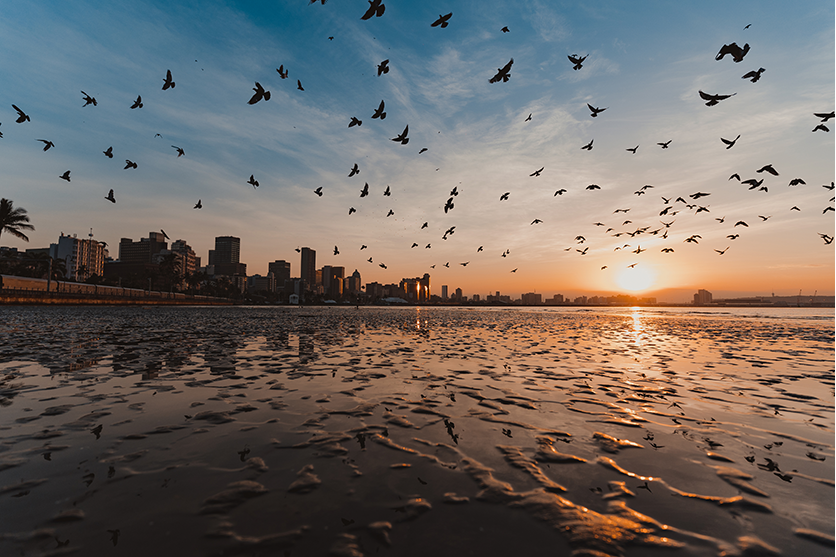
TAMRON 11-20mm F2.8 (Model B060) Focal length: 11mm Exposure: F2.8 Shutter Speed: 1/1000sec ISO: 80
Landscape photography is one of the best uses for RAW. When shooting scenes like sunrise or sunset, the contrast between the sky and the ground can be significant. RAW allows you to capture both in rich detail. For example, you can shoot slightly underexposed and later brighten the ground in post-processing while maintaining the richness of the sky.
Also, RAW is ideal for capturing delicate gradations in scenes with reflections on water or clouds. The gradual color changes in the sky reflected on the water or the 3D shadows of clouds can be smoothly captured in RAW. Wide dynamic range scenes, such as sunny skies or dappled sunlight through trees, are best shot in RAW to fully capture the scene.
Portraits
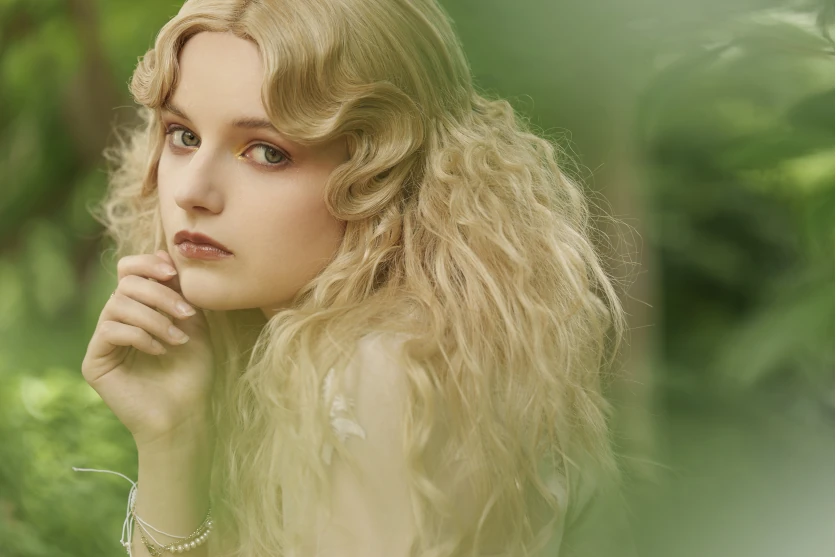
TAMRON 70-180mm F2.8 G2 (Model A065) Focal length: 116mm Exposure: F2.8 Shutter Speed: 1/250sec ISO: 200
In portrait photography, the expression of skin tones and texture is important. RAW enables you to capture the natural color and texture of hair and skin in great detail. Particularly for backlit portraits, RAW allows you to capture the subject’s expression clearly while maintaining control over the bright background.
RAW also captures important details, like catchlights in the eyes, in high resolution and rich tonal variation, enhancing the subject’s presence.
Low-light or High-contrast scenes
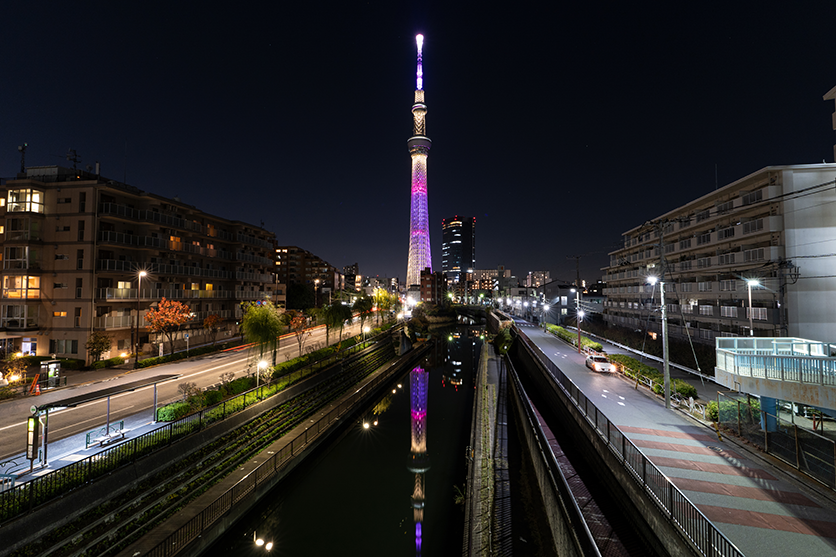
TAMRON 17-50mm F4 (Model A068) Focal length: 17mm Exposure: F11 Shutter Speed: 6sec ISO: 400
RAW is beneficial for scenes with low light or strong contrast, such as night photography or indoor shoots. For night scenes, RAW allows you to preserve highlights without losing detail in dark areas, reducing noise in shadow regions.
In environments with strong contrast, such as light streaming through a window into a dark room, RAW helps you maintain detail in both the light and shadow areas, keeping the final image looking natural.
For situations like weddings or sports, where mistakes are costly and the conditions are challenging, RAW gives you the flexibility to make adjustments after shooting.
Fine-tuning photos for your desired outcome
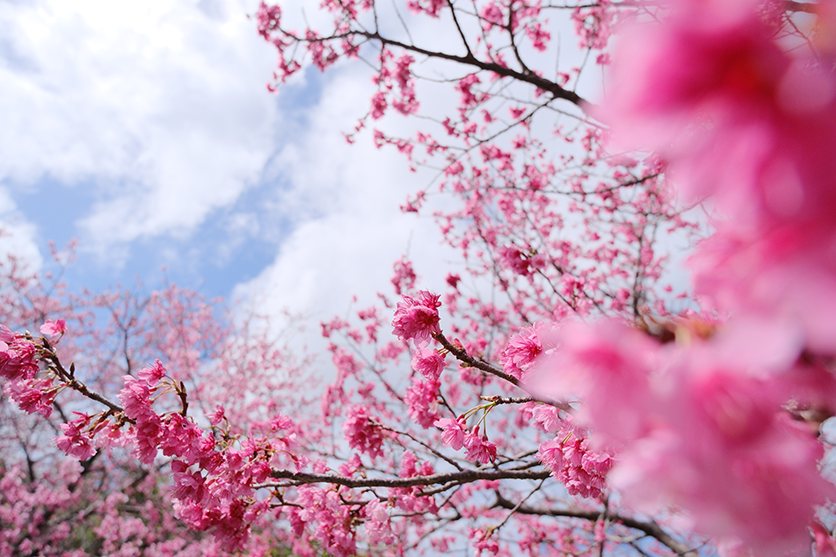
TAMRON 11-20mm F2.8 (Model B060) Focal length: 11mm Exposure: F2.8 Shutter Speed: 1/6400sec ISO: 640
RAW allows you to tailor the final image exactly to your vision. You can emphasize contrast for a striking look for social media, or meticulously sharpen details for large prints. Converting color images to black-and-white also benefits from RAW, allowing you to use the rich color information for deeper tonal variation in monochrome.
By testing multiple editing patterns on the same photo, you can perfect the look of your work. For important photos, consider shooting in RAW and taking the time to refine your final expression.
Creating High-quality work with RAW images
RAW is an image format that directly records the data from the image sensor, preserving rich tonal variation and allowing for fine adjustments during development, such as exposure and white balance. For scenes like landscapes, night photography, and portraits, RAW allows for creative control and detailed expression. Challenge yourself to shoot in RAW to achieve the best results.

Lens Featured in this Impression
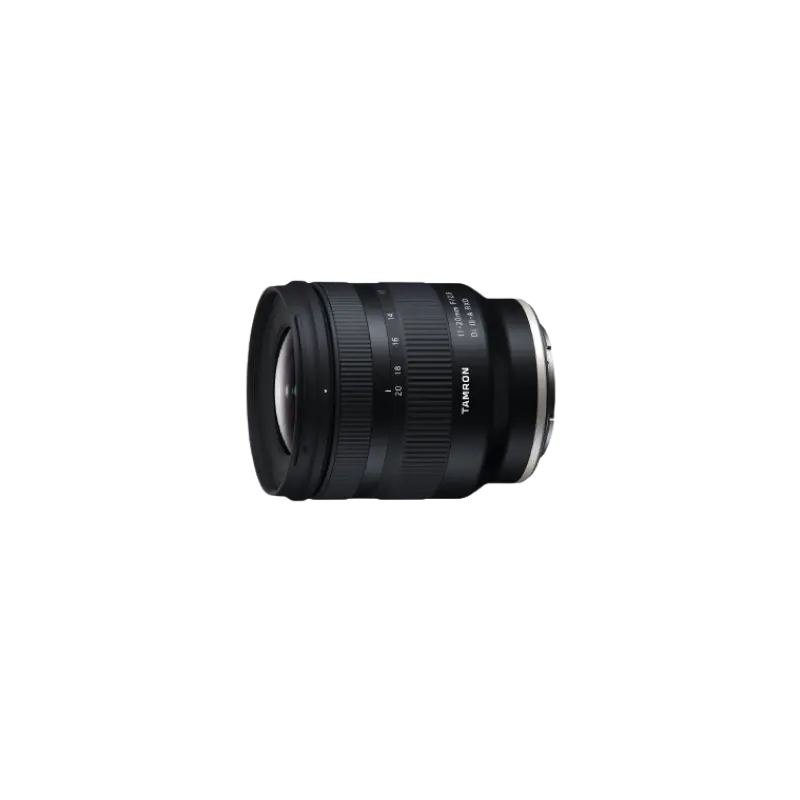
11-20mm F/2.8 Di III-A RXD (Model B060)
11-20mm F/2.8 Di III-A RXD (Model B060) is the world's first compact, lightweight F2.8 ultra wide-angle zoom lens for Sony E-mount APS-C mirrorless cameras. Can be a great choice for video shooting.
Learn more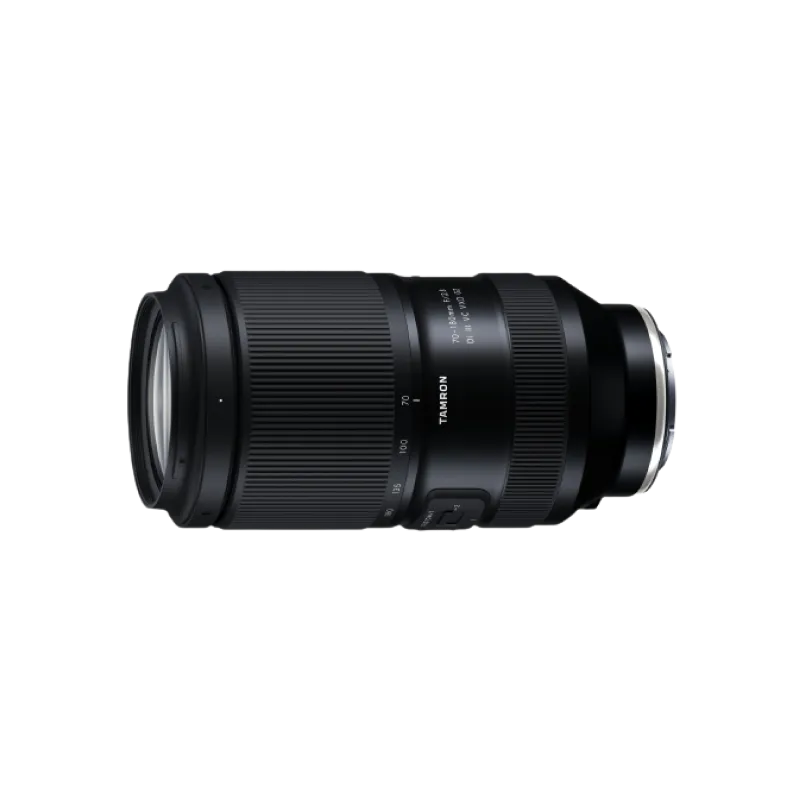
70-180mm F/2.8 Di III VC VXD G2 (Model A065)
70-180mm F/2.8 Di III VC VXD G2 (Model A065) has evolved to G2 level.This is the world’s smallest and lightest, fast-aperture telephoto zoom lens for Sony E-mount and Nikon Z mount with astounding portability and superb image quality.
Learn more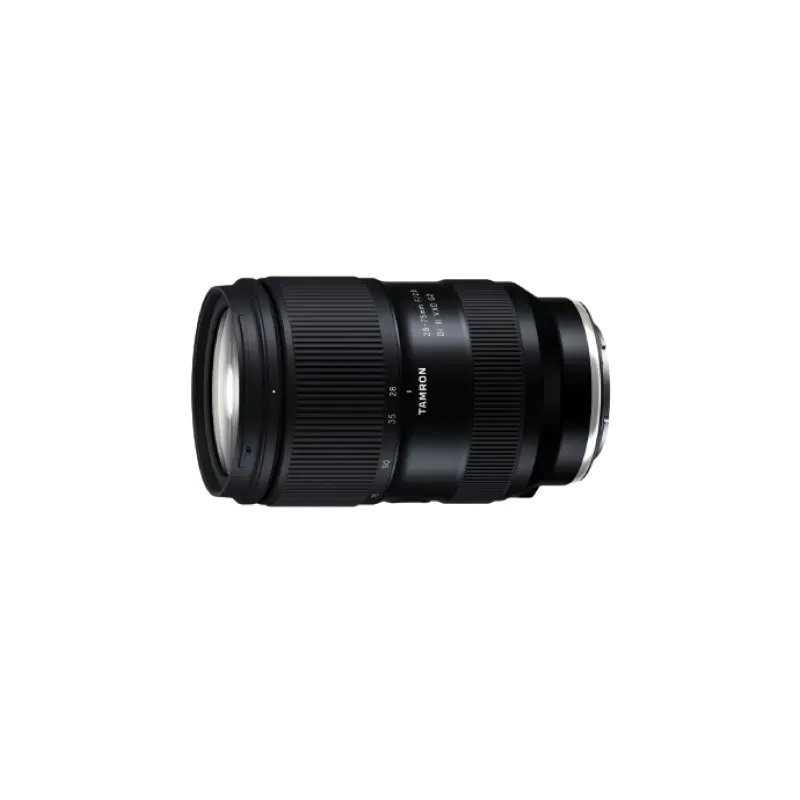
17-50mm F/4 Di III VXD (Model A068)
It's the world’s first lens covering from ultra wide-angle 17mm to the standard 50mm focal length. The highly-compact TAMRON 17-50mm F/4 Di III VXD (Model A068) for Sony E-mount full-frame mirrorless cameras offers maximum versatility for still and video creators. From landscapes to living rooms, this lens captures all that you see.
Learn more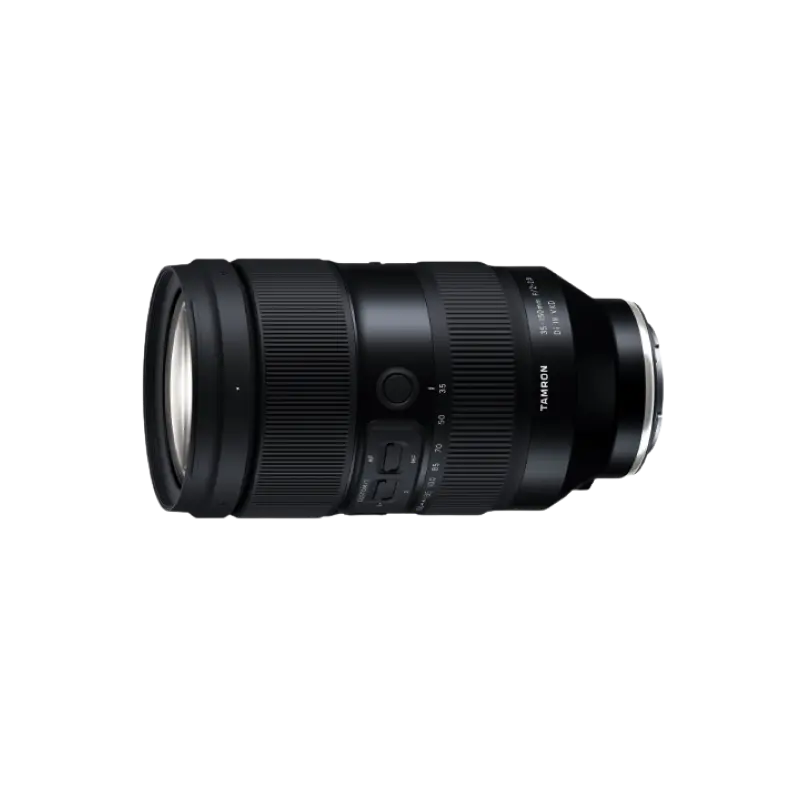
28-300mm F/4-7.1 Di III VC VXD (Model A074)
28-300mm F/4-7.1 Di III VC VXD (Model A074) is a compact and versatile all-in-one 10.7x zoom lens for Sony E-mount. The lens boasts class-leading high image quality, and is equipped with high-speed AF VXD and VC. Go from wide-angle to long telephoto in an instant and capture every moment of the world around you.
Learn more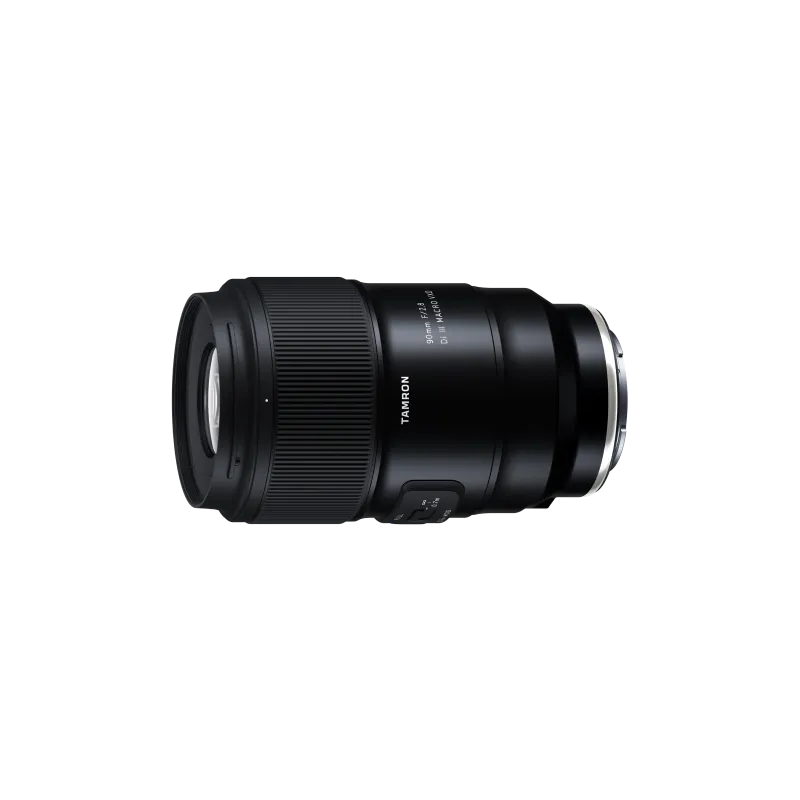
90mm F/2.8 Di III MACRO VXD (Model F072)
The 90mm F/2.8 Di III MACRO VXD (Model F072) is the mirrorless version of the TAMRON 90mm macro lens, beloved for many years. It offers outstanding resolution and optical performance, featuring TAMRON’s first 12-blade circular aperture for stunning bokeh and starburst effects. Its lightweight, compact design ensures easy portability, and the new hood with sliding window simplifies filter use. The lens is also compatible with TAMRON Lens Utility™ and has high-speed, high-precision AF, expanding possibilities for photography and videography. This lens blends TAMRON's legacy of brilliance with advanced technology, marking a new chapter in the 90mm macro lens history.
Learn more