
Sports Photography: Camera Settings & Shooting Tips
Sports photography is all about capturing athletes, movement, and decisive moments as they happen. Whether you’re photographing soccer, basketball, baseball, motorsports, athletics, or a school sports day, fast-moving subjects can make it challenging to capture sharp and expressive images.
The key is to prepare your camera before the action starts. Choosing the right shutter speed, autofocus settings, shooting mode, ISO, and lens can make it much easier to capture sharp sports photos.
In this guide, we’ll cover sports photography settings, focusing techniques, lens selection, composition, panning, and practical tips for capturing dynamic action photos.
What Is Sports Photography?
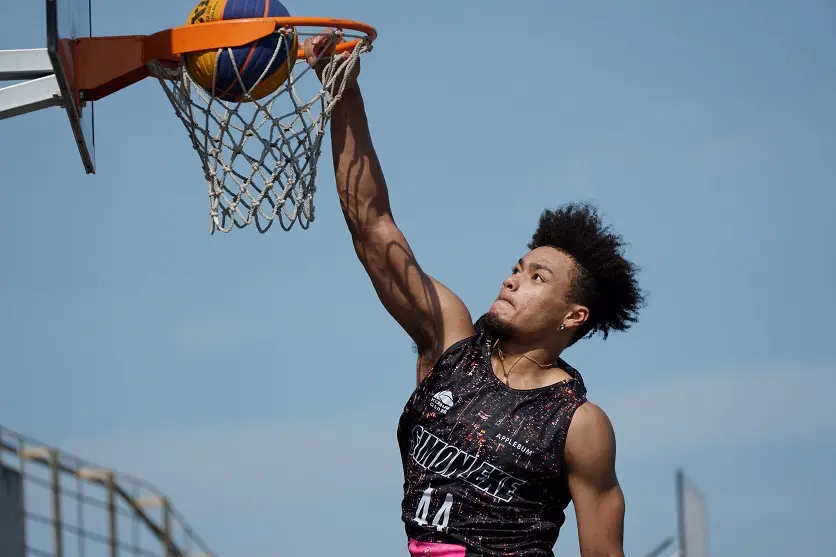
Sports photography involves capturing athletes and sporting events at decisive moments. Unlike photographing stationary subjects, sports photographers need to anticipate movement and react quickly because important moments can happen in a fraction of a second.
A successful sports photo isn’t only about freezing motion. Good sports photography can also show:
- The athlete’s expression and emotion
- The intensity of the action
- The relationship between players
- The movement of the sport
- The atmosphere of the venue
- The decisive moment of a play
The technical challenge is keeping the subject sharp while creating a composition that tells the story of what is happening.
Best Camera Settings for Sports Photography
The most important sports photography settings are shutter speed, aperture, ISO, autofocus, and drive mode.
As a starting point, try:
- Shutter speed: 1/1000 sec. or faster for fast action
- Aperture: Around F2.8–F4 when possible
- ISO: Adjust as needed to maintain your desired shutter speed
- Autofocus: Continuous AF such as AF-C or AI Servo
- Drive mode: Continuous or burst shooting
These are starting points rather than fixed rules. The ideal settings depend on the sport, lighting conditions, subject speed, and the effect you want to create.
Use a Fast Shutter Speed to Freeze Action
Shutter speed is one of the most important settings in sports photography.
A fast shutter speed helps freeze athletes as they run, jump, kick, swing, or change direction.
For many outdoor sports, 1/1000 sec. is a useful starting point. Very fast action, such as a baseball swing or a rapidly moving ball, may benefit from 1/2000 sec. or faster.
For indoor sports such as basketball and volleyball, around 1/500 sec. can be a useful starting point when lighting is limited. If the image is too dark at your desired shutter speed, increase the ISO rather than allowing the shutter speed to become too slow.

A simple guide is:
| Situation | Starting shutter speed |
| Slower movement | 1/500 sec. |
| Running sports | 1/1000 sec. |
| Fast action | 1/2000 sec. |
| Very fast action | 1/4000 sec. or faster |
| Panning | 1/60–1/125 sec. |
Use Shutter Priority or Manual Mode
Shutter Priority mode can be useful when you’re learning sports photography because you can set the shutter speed while the camera automatically adjusts the aperture for the exposure.
For example, you might use:
- 1/1000 sec. for an outdoor soccer match
- 1/500 sec. for an indoor basketball game
- 1/2000 sec. for particularly fast action
- 1/60–1/125 sec. for panning
As you become more comfortable with exposure, Manual mode with Auto ISO can give you greater control. This lets you lock both shutter speed and aperture while allowing the camera to adjust ISO as the lighting changes.
Use a Wide Aperture
A wide aperture can be useful for sports photography, especially in low-light environments.
An aperture around F2.8 to F4 allows more light to reach the sensor, making it easier to maintain a fast shutter speed.
A wide aperture also creates a shallower depth of field, helping separate the athlete from distracting backgrounds such as spectators, fences, and stadium equipment.
However, don’t feel that you must always shoot at F2.8. In bright outdoor conditions, smaller apertures can also work well, particularly when you want more of the scene to remain in focus.
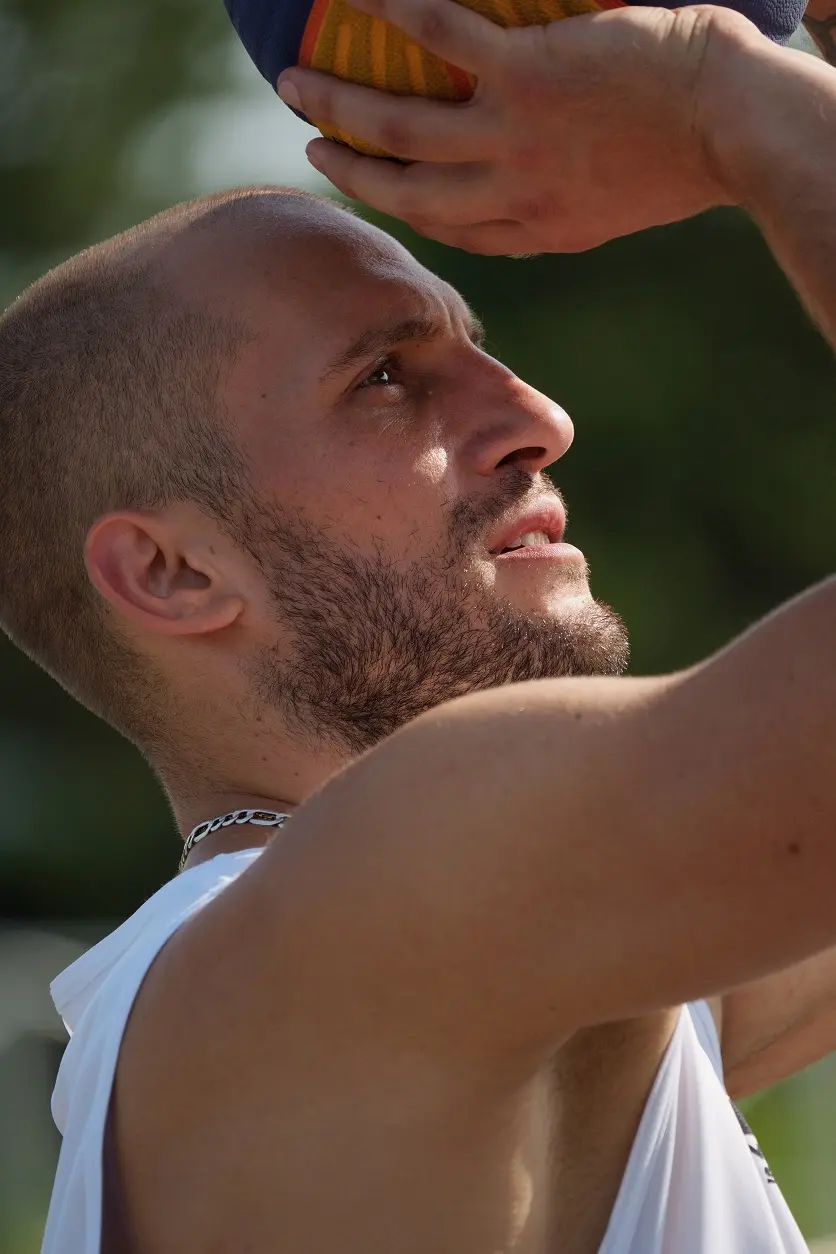
Increase ISO When You Need More Light
Sports often require fast shutter speeds, and fast shutter speeds reduce the amount of light reaching the sensor.
If your image is too dark, increase the ISO rather than sacrificing the shutter speed needed to freeze the action.
This is particularly important for:
- Indoor basketball
- Volleyball
- Swimming pools
- Evening games
- Overcast outdoor events
A slightly noisy but sharp photograph is usually more useful than a clean photograph ruined by motion blur.
Use Continuous Autofocus
When photographing moving subjects, use continuous autofocus to help keep your subject in focus.
Depending on your camera, continuous autofocus may be called AF-C, AI Servo, or another continuous AF mode.
Unlike single-shot autofocus, continuous AF continually adjusts focus as the subject moves toward, away from, or across the frame.
For sports photography, combine continuous AF with an appropriate focus-area mode such as:
- Zone AF
- Wide-area AF
- Flexible Spot
- Subject tracking
A wider focus area can be particularly useful when photographing players who move unpredictably around the frame.
Use Burst Mode
Sports moments happen quickly, so use continuous shooting or burst mode to capture several frames in succession.
Burst shooting increases your chances of capturing the exact moment you want, such as:
- A baseball player making contact with the ball
- A soccer player kicking
- A basketball player at the peak of a jump
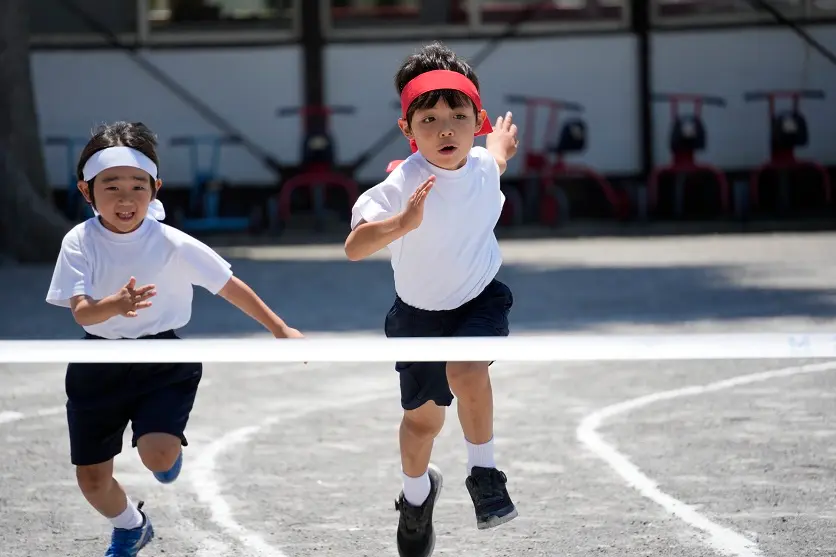
- A runner crossing the finish line
- A cyclist leaning into a corner
Rather than holding the shutter continuously for every situation, use short bursts when possible. This gives you more frames to choose from while making it easier to manage your files.
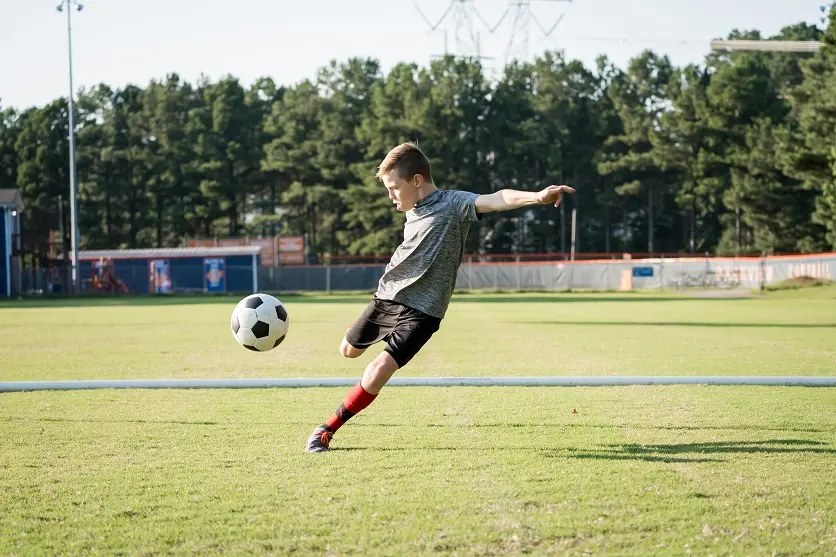
Use Composition to Create a Sense of Movement
Composition can make an action photograph feel more dynamic.
When a player is moving toward one side of the frame, consider leaving space in front of the athlete.
This gives the viewer a visual sense of where the subject is going.
For example, if a soccer player is running toward the right side of the frame, placing them slightly to the left can create more space in front of them.
Don’t always center the subject. Experiment with different positions and angles to make your sports photos more visually interesting.
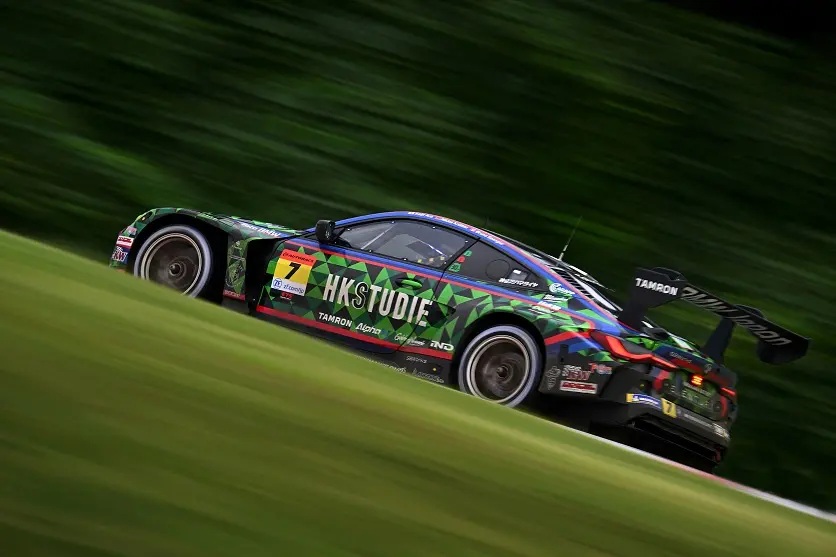
Use Panning to Show Speed
Not every sports photo needs to freeze motion.
Panning is a technique that creates a sense of speed by following the moving subject while using a slower shutter speed.
Start around 1/125 sec., then gradually experiment with 1/60 sec. or slower.
As you pan, keep the subject in approximately the same position within the frame and continue moving the camera after pressing the shutter.
A successful panning photograph can keep the athlete or vehicle relatively sharp while turning the background into horizontal streaks.
Panning works particularly well for:
- Running
- Cycling
- Motorsports
- Motorcycles
- Cars
- Other subjects moving in a predictable direction
Choose the Right Lens for Sports Photography
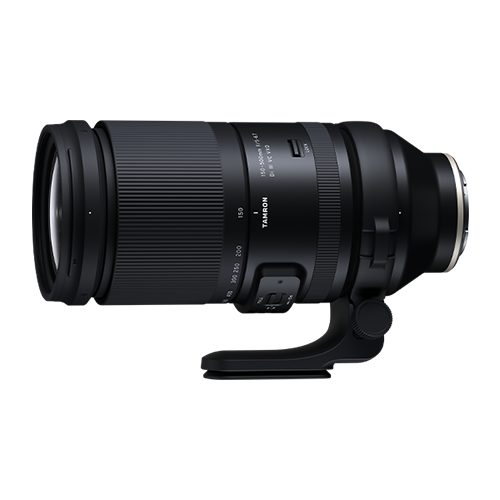
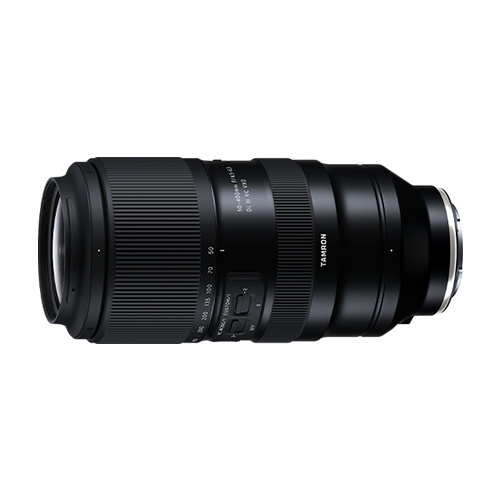
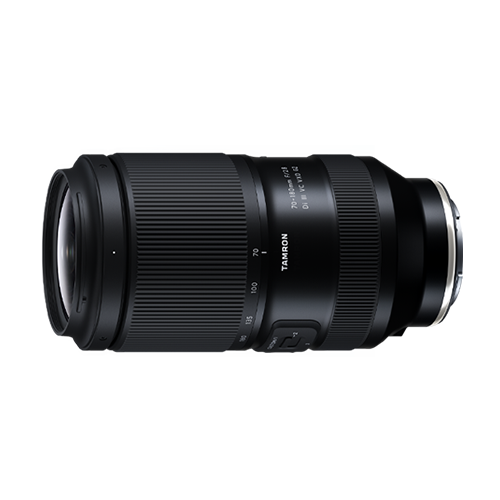
A telephoto zoom lens is one of the most useful tools for sports photography because photographers are often positioned far away from the action.
A lens in the 70–200mm range can be versatile for closer sports and indoor events, while lenses extending to 300mm, 400mm, or 500mm can be useful for field sports, wildlife-style action, and motorsports.
The right focal length depends on:
- Distance from the athletes
- Size of the playing area
- Type of sport
- Positioning restrictions
- Desired composition
Why Use a Telephoto Lens?
A telephoto lens lets you fill more of the frame with a distant athlete without physically moving closer.
It can also help isolate your subject from a busy background.
For example, at a soccer match, a longer focal length can help you capture an athlete’s facial expression from the sidelines while keeping the background soft.
Consider a Fast Maximum Aperture
A lens with a maximum aperture such as F2.8 can be particularly useful for indoor sports and other low-light situations.
A wider aperture allows more light to reach the sensor, making it easier to maintain a fast shutter speed.
It can also create attractive background separation that helps the athlete stand out from spectators and other distractions.
For outdoor daytime sports, however, a slower lens can still perform very well when there is plenty of available light.
Image Stabilization and Sports Photography
Image stabilization can help reduce camera shake when shooting handheld with a telephoto lens.
This can make it easier to compose and track a subject, particularly when using longer focal lengths.
However, when you’re already shooting at very fast shutter speeds such as 1/1000 sec. or faster, shutter speed itself does much of the work of preventing camera-shake blur.
Image stabilization becomes particularly useful when shooting at slower shutter speeds, including creative panning shots.
If your lens offers different stabilization modes, check whether one is designed specifically for panning.
Use a Monopod for Long Shooting Sessions
Long telephoto lenses can become tiring to hold for extended periods.
A monopod can provide additional support while still allowing you to move and follow athletes around the field.
Compared with a tripod, a monopod provides greater freedom of movement, making it particularly useful for sports such as:
- Baseball
- Soccer
- Football
- Track and field
It can also help reduce fatigue during long events.
Final Tips for Better Sports Photography
The best sports photography techniques combine camera settings with preparation, timing, and composition.
Before the event, prepare your camera with:
- A fast shutter speed
- Continuous autofocus
- Burst shooting
- An appropriate ISO
- A suitable telephoto lens
During the event, pay attention to the athletes’ movements and anticipate where the action will happen.
For sharp action shots, start around 1/1000 sec. and adjust according to the sport and lighting. For creative motion blur, experiment with panning at 1/60–1/125 sec.
Most importantly, keep practicing. The more familiar you become with the sport, your equipment, and the movement of your subjects, the easier it becomes to anticipate the decisive moment.
Great sports photographs are not simply about having the fastest camera or longest lens. They come from combining technical settings, timing, positioning, composition, and an understanding of the sport.
TAMRON products mentioned in this article