
Photo Aspect Ratio Explained: 3:2, 4:3, 16:9 and 1:1
When you take a photograph, the shape of the image can have a major effect on how the final picture looks.
A wide landscape can feel expansive when photographed in a wide frame, while a portrait can feel more natural in a vertical composition. A square frame can emphasize a subject’s shape and symmetry.
This is where photo aspect ratio becomes important.
Aspect ratio describes the relationship between the width and height of an image. Common ratios include 3:2, 4:3, 16:9 and 1:1.
Understanding aspect ratio can help you make better decisions when composing photographs, preparing images for printing, sharing them online or creating content for video.
In this guide, we’ll explain what aspect ratio means, how different ratios affect the impression of a photograph, which r
What Is Photo Aspect Ratio?
A photo aspect ratio describes the proportional relationship between the width and height of an image.
It is written as:
Width : Height
For example:
3:2
means that the image is 3 units wide for every 2 units of height.
Similarly:
16:9
means that the image is 16 units wide for every 9 units of height.
Aspect ratio describes the shape of the image, not its resolution or physical size.
For example:
- 1920 × 1080 pixels → 16:9
- 3840 × 2160 pixels → 16:9
Although the second image contains more pixels, both images have the same aspect ratio.
Aspect Ratio vs. Resolution
Aspect ratio and resolution are related to images, but they describe different things.
Aspect ratio describes the shape of the image.
Resolution describes the number of pixels in the image.
For example:
| Image Resolution | Aspect Ratio |
|---|---|
| 1920 × 1080 | 16:9 |
| 3840 × 2160 | 16:9 |
| 6000 × 4000 | 3:2 |
| 4000 × 3000 | 4:3 |
| 1080 × 1080 | 1:1 |
A higher-resolution image does not necessarily have a different aspect ratio.
The two concepts should therefore be considered separately.
Why Does Aspect Ratio Matter in Photography?
Aspect ratio is more than a technical specification.
It changes the shape of the frame, which can affect:
- Composition
- Subject placement
- Negative space
- Visual balance
- The sense of width or height
- How the photograph appears on a screen
- How much of the image needs to be cropped
For example, a wide 16:9 frame can emphasize the horizontal space of a landscape.
A square 1:1 frame can make a centered subject feel more prominent.
A vertical 3:4 frame can work well for a person’s portrait.
The subject itself should therefore influence your choice of aspect ratio.
Common Photo Aspect Ratios
Several aspect ratios are commonly used in digital photography.
The four most useful to understand are:
- 3:2
- 4:3
- 16:9
- 1:1
Let’s look at how each one affects the appearance of a photograph.
3:2 Aspect Ratio
The 3:2 aspect ratio is one of the most common formats used by interchangeable-lens cameras.
It has a relatively wide rectangular shape.
The ratio originated from the dimensions of 35mm film and remains a standard format for many cameras.
What Does 3:2 Look Like?
The width is 1.5 times the height.
For example:
6000 × 4000 pixels
has a 3:2 aspect ratio.
The format provides enough horizontal space for landscapes while still being suitable for portraits when rotated vertically.
When Should You Use 3:2?
3:2 is a versatile choice for:
- Landscapes
- Travel photography
- Street photography
- Portraits
- Everyday photography
- Events
It is also convenient for common photographic printing sizes.
For many interchangeable-lens cameras, 3:2 is the default aspect ratio.
4:3 Aspect Ratio
The 4:3 aspect ratio is slightly less wide than 3:2.
It creates a frame that is closer to a square.
This can produce a stable and balanced composition.
4:3 is commonly associated with compact cameras, smartphones and Micro Four Thirds cameras.
What Does 4:3 Look Like?
A typical example would be:
4000 × 3000 pixels
The frame is wider than it is tall, but not as wide as 3:2.
When rotated vertically, the ratio becomes 3:4.
When Should You Use 4:3?
4:3 can work well for:
- Architecture
- Still life
- Product photography
- Portraits
- Everyday photography
- Social media
The slightly taller frame can provide useful space around subjects.
16:9 Aspect Ratio
The 16:9 aspect ratio is a wide-screen format commonly associated with video, televisions, computer displays and online content.
It creates a distinctly horizontal and cinematic appearance.
What Does 16:9 Look Like?
Common resolutions include:
1920 × 1080
and
3840 × 2160
Both have a 16:9 aspect ratio.
The resolution changes, but the shape remains the same.
When Should You Use 16:9?
16:9 can be useful for:
- Landscapes
- Cityscapes
- Architecture
- Panoramic-looking compositions
- YouTube thumbnails
- Website banners
- Video-related photography
The wide frame can emphasize horizontal lines and large environments.
1:1 Aspect Ratio
The 1:1 aspect ratio is a square.
It has equal width and height.
Square photography became especially popular with social media and smartphone photography.
When Should You Use 1:1?
A square frame can be useful for:
- Portraits
- Flowers
- Food
- Products
- Architecture
- Symmetrical compositions
- Social media posts
Because the frame has equal dimensions in both directions, it can work particularly well when the subject is placed near the center.
How Aspect Ratio Changes the Impression of a Photo
Changing the aspect ratio can change the way viewers perceive an image even when the original photograph remains the same.
Imagine photographing a mountain landscape.
A 3:2 frame might provide a balanced combination of sky, mountains and foreground.
A 16:9 frame can emphasize the horizontal width of the landscape.
A 1:1 frame may place more emphasis on the central mountain or another specific subject.
The camera position has not necessarily changed.
Only the shape of the frame has changed.
This is why understanding aspect ratio photography can improve your compositions.
Choosing an Aspect Ratio for Landscape Photography
Landscape photography often benefits from horizontal formats because they can communicate the scale of a scene.
3:2 for Balanced Landscapes
3:2 is a versatile choice when you want to include:
- Foreground
- Main subject
- Background
- Sky
It provides enough horizontal space without becoming excessively wide.
16:9 for Expansive Scenes
16:9 can emphasize the width of a landscape.
It can work particularly well for:
- Oceans
- Mountains
- Rice fields
- City skylines
- Long roads
- Large cloud formations
If the scene has strong horizontal lines, 16:9 can make them more prominent.
Wider Panoramic Ratios
For especially wide scenes, you can also create panoramic images using ratios such as:
- 2:1
- 3:1
These can be useful when photographing very wide landscapes.
However, panoramic images may require cropping or stitching multiple photographs together.
Choosing an Aspect Ratio for Portrait Photography
Portraits can be photographed using either horizontal or vertical orientations.
Vertical 2:3 or 3:4
Vertical frames naturally complement the human body’s shape.
They can be useful for:
- Full-body portraits
- Half-body portraits
- Head-and-shoulder portraits
- Fashion photography
A vertical frame can also reduce unnecessary space on either side of the subject.
Square 1:1
A square frame can be effective for close-up portraits.
It can emphasize:
- Facial expression
- Eyes
- Symmetry
- The subject’s presence
However, avoid automatically centering every portrait.
Consider the direction the subject is looking and the surrounding negative space.
Horizontal 3:2 or 16:9
A horizontal frame can be useful when you want to include the environment around the person.
This is particularly useful for:
- Environmental portraits
- Travel portraits
- Lifestyle photography
- Group photographs
Choosing an Aspect Ratio for Architecture
Architecture can benefit from several different ratios depending on the structure.
Vertical Buildings
Tall buildings can be emphasized with a vertical frame.
A vertical 2:3 or 3:4 composition can emphasize height and lead the viewer’s eyes upward.
Wide Buildings
A horizontal 3:2 or 16:9 frame can be useful when photographing an entire building.
Wide-angle lenses can also help include the structure and its surroundings.
Symmetrical Architecture
A square 1:1 frame can be particularly effective for symmetrical buildings.
The equal width and height can reinforce geometric patterns.
Aspect Ratio and Composition
Aspect ratio works closely with composition.
The same composition technique can produce a different visual effect depending on the shape of the frame.
Rule of Thirds
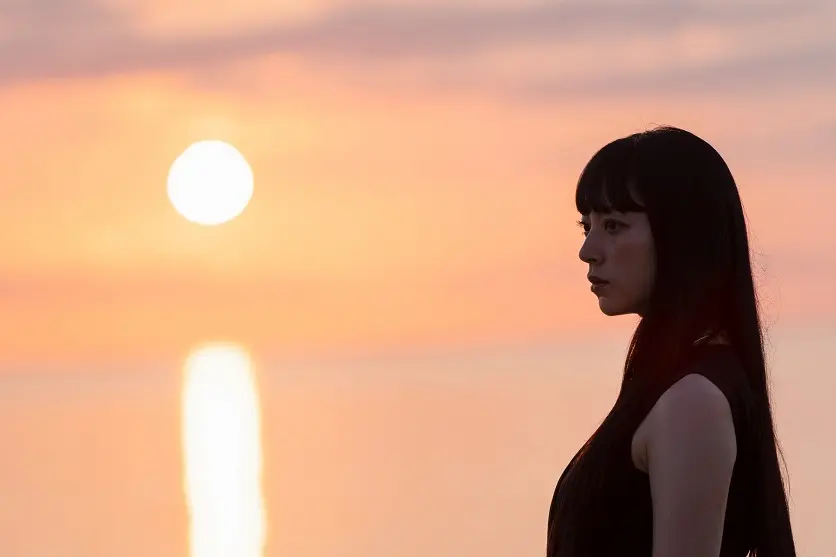
The rule of thirds divides the frame into nine sections using two horizontal and two vertical lines.
Important elements can be placed near the intersections.
This technique works with virtually any aspect ratio.
For example, placing a horizon approximately one-third from the top can create a balanced landscape.
Diagonal Composition
Diagonal composition uses lines that move through the frame.
These lines can create:
- Movement
- Depth
- Direction
- Energy
A rectangular frame such as 3:2 provides a relatively natural horizontal and vertical balance.
A square frame changes the angle of the diagonal lines and can make diagonal compositions feel more pronounced.

Centered Composition
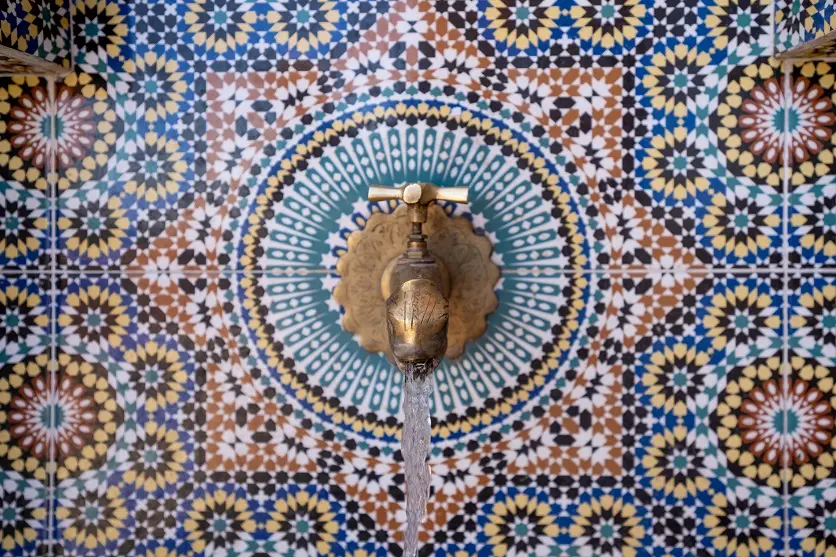
Centered or “Hinomaru” composition places the main subject near the center.
This can work particularly well with a 1:1 square frame.
It is useful for subjects such as:
- Flowers
- Faces
- Products
- Symmetrical buildings
- Geometric patterns
However, the background remains important.
A simple or uncluttered background can prevent a centered subject from feeling visually crowded.
Aspect Ratio for Social Media
The best camera aspect ratio can depend on where you intend to publish the photograph.
Social media platforms display images in different shapes, and cropping can occur if your original image does not match the intended format.
Instagram supports several image formats, including square, vertical and horizontal images.
A 4:5 vertical composition can be useful for feed posts because it occupies more vertical space on a smartphone screen.
For Stories and other full-screen vertical content, 9:16 is commonly used.
If you know that a photograph will be used vertically, compose with that crop in mind.
X
X supports multiple image shapes.
A landscape image can work well with formats such as:
- 3:2
- 4:3
- 16:9
Vertical photographs can also be useful, particularly when designed for smartphone viewing.
When posting several photographs together, keeping their aspect ratios consistent can create a cleaner presentation.
YouTube
YouTube video and thumbnails use a 16:9 format.
If you are creating a thumbnail, photograph or graphic intended for a YouTube video, composing with 16:9 in mind can reduce unwanted cropping.
For vertical content such as Shorts, a 9:16 format is commonly used.
Aspect Ratio for Video
Video commonly uses a 16:9 horizontal format.
This applies to many HD, Full HD and 4K video workflows.
If you are photographing and recording video of the same subject, considering the final video format before shooting can be useful.
For example, if you plan to combine still photographs and video in a 16:9 project, shooting or cropping the photographs to 16:9 can make the transition between stills and video more consistent.
Vertical short-form video uses a 9:16 format.
This is common for:
- YouTube Shorts
- Instagram Reels
- TikTok
- Smartphone-first video
Aspect Ratio for Printing
The intended print size should also influence your choice.
Different paper and print sizes have different proportions.
L-Size Photo Prints
The common L-size print is approximately:
89 × 127 mm
This is very close to a 3:2 aspect ratio.
As a result, photographs taken at 3:2 can generally be printed at this size with relatively little cropping.
A4 Prints
A4 paper measures:
210 × 297 mm
Its aspect ratio is approximately 1:1.414.
This differs from both 3:2 and 4:3.
As a result, an image may need to be cropped when printing a photograph at A4.
If you know that you will print a photograph, leave some extra space around important subjects during shooting.
This provides more flexibility when cropping later.
Should You Change the Aspect Ratio in the Camera?
Many cameras allow you to select an aspect ratio before taking a photograph.
Depending on the camera, you may find options such as:
- 3:2
- 4:3
- 16:9
- 1:1
The exact options and menu locations vary by camera.
Advantages of Changing It in Camera
Setting the aspect ratio before shooting allows you to compose while thinking about the final image.
This can be useful if you already know the photograph will be:
- A square social media post
- A 16:9 thumbnail
- A vertical portrait
- A video-related image
Seeing the intended frame while shooting can help you place the subject more accurately.
Can You Change Aspect Ratio After Taking the Photo?
Yes.
You can crop an image during post-processing.
Most photo-editing applications include crop tools with preset aspect ratios.
Common options include:
- 3:2
- 4:3
- 16:9
- 1:1
- 4:5
- 9:16
Cropping after shooting provides considerable flexibility.
However, there is an important limitation.
If you crop too heavily, you reduce the number of pixels remaining in the final image.
This can become noticeable when printing or displaying the image at a large size.
RAW and Aspect Ratio
If you photograph in RAW, the relationship between the camera’s selected aspect ratio and the final RAW image can depend on the camera.
Some cameras record the selected aspect ratio as framing information while preserving the full sensor data in the RAW file.
This can allow you to change the crop later during editing.
However, the exact behavior varies by camera manufacturer and model.
Always check your camera’s manual if you need to know exactly how a particular aspect-ratio setting affects RAW files.
Should You Always Shoot in 3:2?
Not necessarily.
3:2 is a highly versatile format and is a common default for interchangeable-lens cameras.
However, there is no universally correct aspect ratio for photography.
The right choice depends on:
- Your subject
- Your composition
- Your intended output
- Your preferred visual style
For example:
Landscape → 3:2 or 16:9
Portrait → 2:3 or 3:4
Architecture → 3:2, 4:3 or 1:1
Symmetrical subject → 1:1
YouTube thumbnail → 16:9
Short-form vertical content → 9:16
Think about the final purpose of the photograph rather than treating one ratio as the correct setting for every situation.
A Simple Guide to Choosing Your Aspect Ratio
If you are unsure which ratio to use, start with the subject.
| Subject / Purpose | Aspect Ratio to Try |
|---|---|
| General photography | 3:2 |
| Landscape | 3:2 or 16:9 |
| Portrait | 2:3 or 3:4 |
| Architecture | 3:2, 4:3 or 1:1 |
| Symmetry | 1:1 |
| Still life | 4:3 or 1:1 |
| YouTube thumbnail | 16:9 |
| Horizontal video | 16:9 |
| Instagram vertical post | 4:5 |
| Stories / Reels / Shorts | 9:16 |
| Wide panorama | 2:1 or 3:1 |
These are starting points rather than strict rules.
Photography is creative, and intentionally choosing an unusual aspect ratio can sometimes create a stronger image.
Tips for Shooting With Aspect Ratio in Mind
Leave Some Space Around Important Subjects
If you are unsure how the photograph will eventually be used, avoid placing important details too close to the edges.
Extra space gives you more freedom to crop the image later.
Think About Horizontal and Vertical Orientation
Before taking the photograph, ask whether the subject works better vertically or horizontally.
Tall buildings and people often benefit from vertical compositions.
Wide landscapes and groups can work well horizontally.
Use Your Camera’s Grid
Many cameras provide grid overlays.
A grid can help you:
- Align horizons
- Apply the rule of thirds
- Place subjects
- Check symmetry
This becomes especially useful when experimenting with different aspect ratios.
Compose for the Final Destination
If you know the image will be used for a particular platform or print size, think about that before taking the photograph.
For example, a photograph intended for a vertical Story should be composed differently from one intended for a 16:9 YouTube thumbnail.
Final Thoughts
Understanding photo aspect ratio gives you another tool for controlling how your photographs look.
The most common ratios each have their own characteristics:
3:2 is versatile and common on interchangeable-lens cameras.
4:3 provides a slightly more compact rectangular frame.
16:9 creates a wide, cinematic appearance and works well for landscapes and video.
1:1 creates a square frame that can emphasize centered, symmetrical or simple subjects.
There is no single best aspect ratio for photos.
Instead, choose the ratio based on the subject, composition and intended use of the photograph.
If you are photographing a vast landscape, try 16:9.
For general photography, 3:2 is a practical starting point.
For a portrait, experiment with a vertical 3:4 or 2:3 composition.
For flowers, products or symmetrical subjects, try 1:1.
You can also photograph with a little extra space and crop the image later.
The important thing is to understand that aspect ratio is not simply a technical camera setting. It is another compositional tool that can change the way your photographs are presented and perceived.
TAMRON products mentioned in this article