Somewhere Along the Trail: Photographing the Himalayas
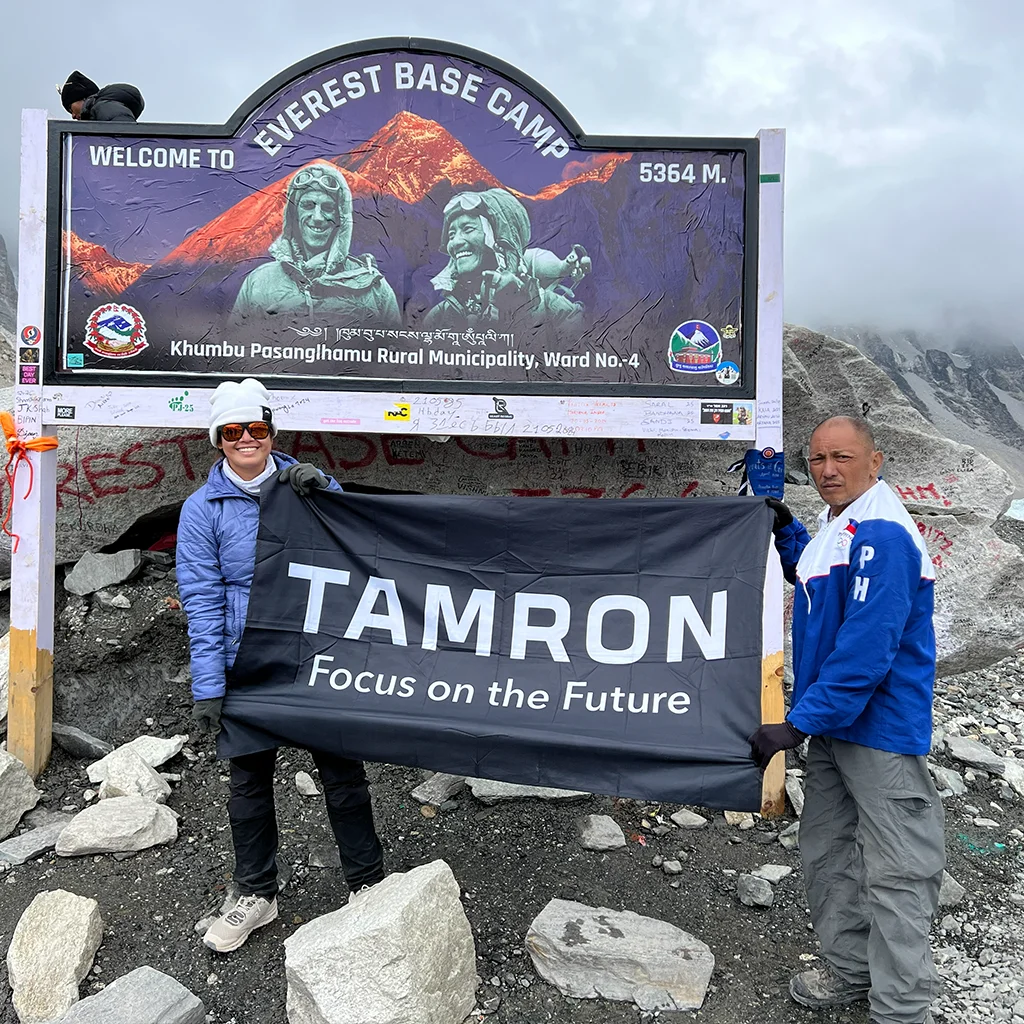
Some assignments take months of planning. Mine started with a phone call from a friend, and three days later, I was on a plane to Nepal for a photography assignment that would take me to Everest Base Camp.
With barely any time to prepare physically, mentally, or psychologically, I was both excited and nervous. Looking back, I think ignorance was bliss. I knew it would be difficult, but I had no idea just how demanding the altitude and the trek itself would be. I thought I could just do it.
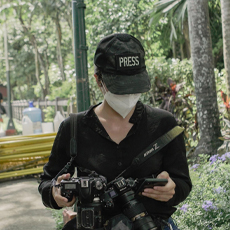
I’ve been working as a freelance photojournalist since 2013, covering everything from breaking news and natural disasters to conflict and humanitarian stories. I’ve grown accustomed to unpredictable environments and working under pressure, but the Himalayas presented a completely different challenge.
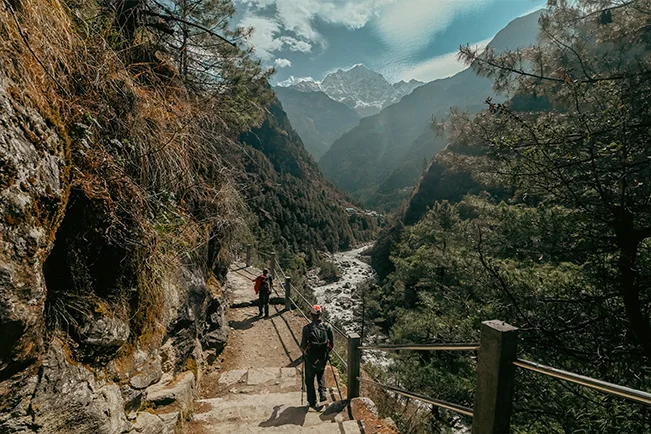
There were days when everything was gray. The mountains disappeared behind thick fog, the skies were gloomy, and there was very little to see. I would spend hours walking with my head down, watching my feet step from one rock to another. When it rained, it became even more difficult. Stopping to take photographs wasn’t always an option. Sometimes, I simply didn’t have the energy to spare.
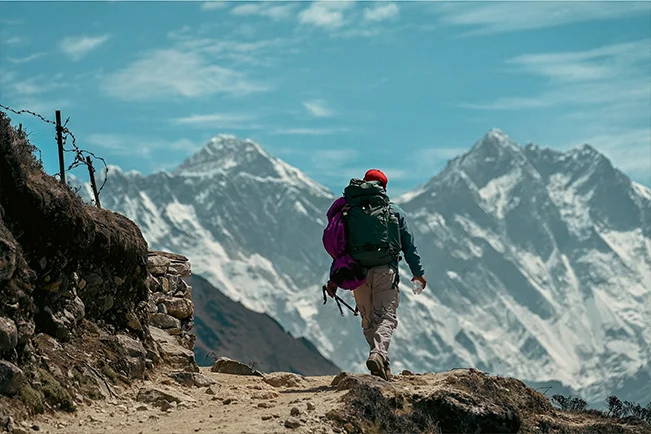
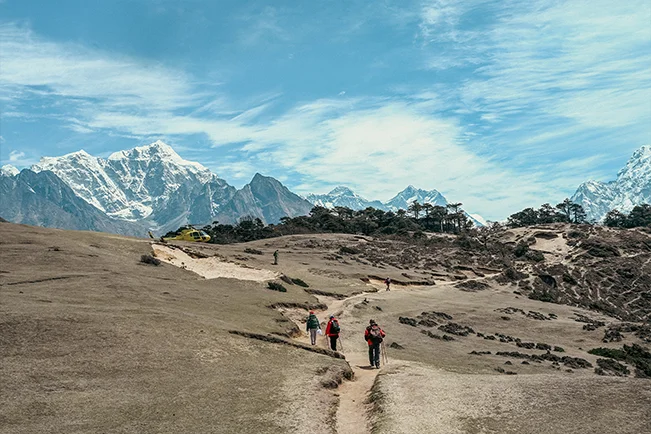
But then there were days when the skies cleared, revealing the Himalayan mountain ranges stretching endlessly around us. I remember stopping just to look up, feeling incredibly small against the landscape. I’d seen countless photographs of these mountains, but being there was an entirely different experience. No photograph could truly capture just how majestic the world around us was.
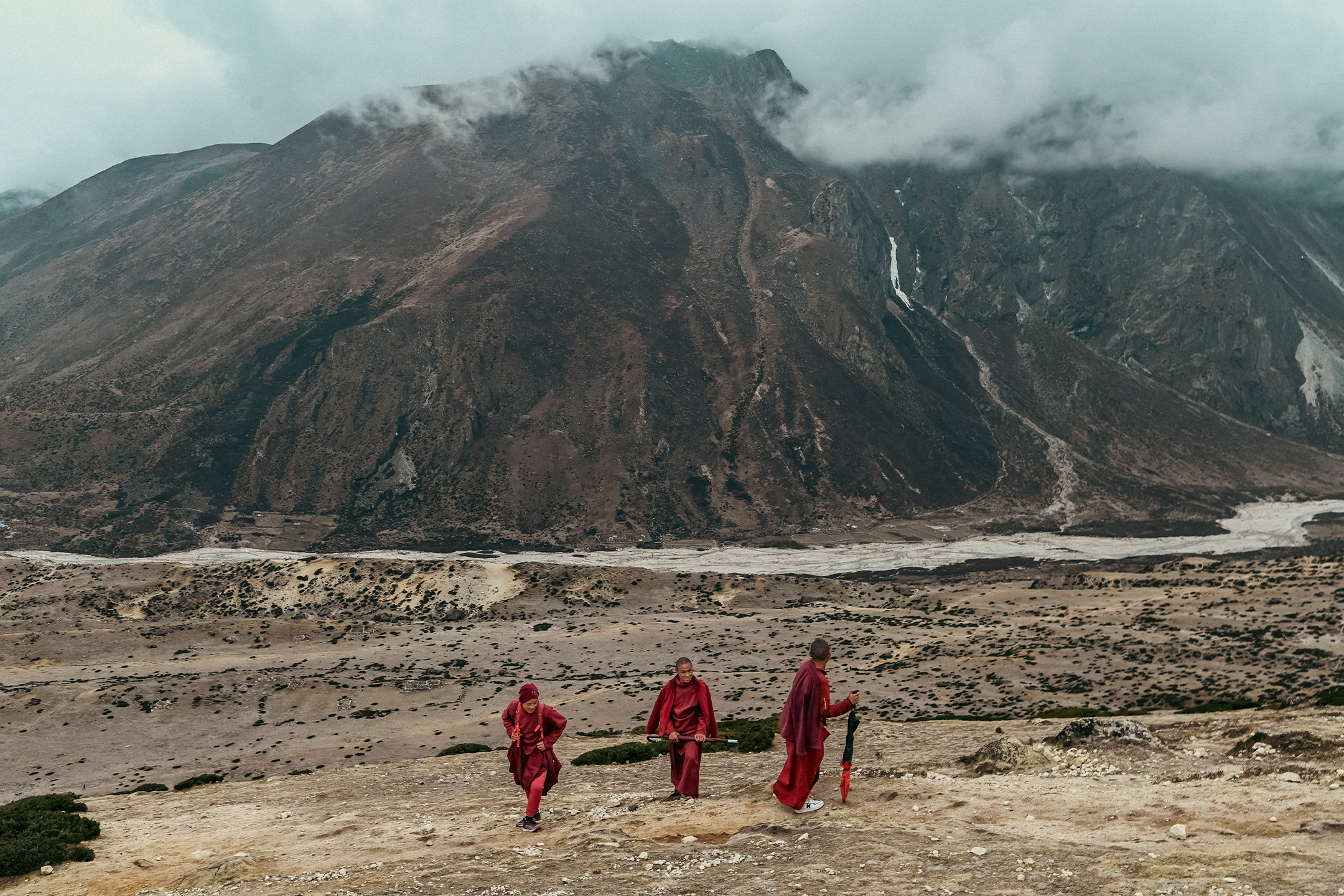
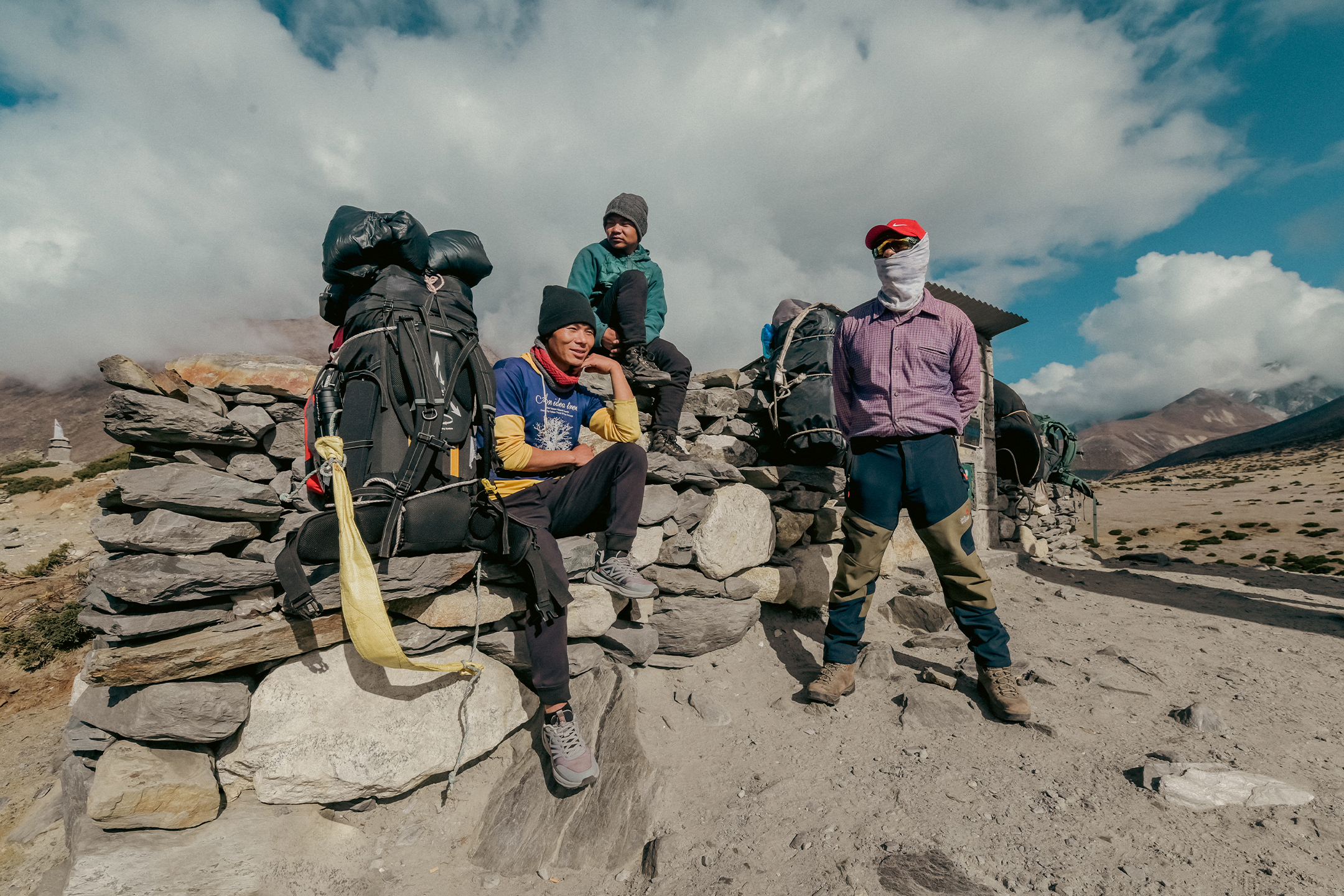
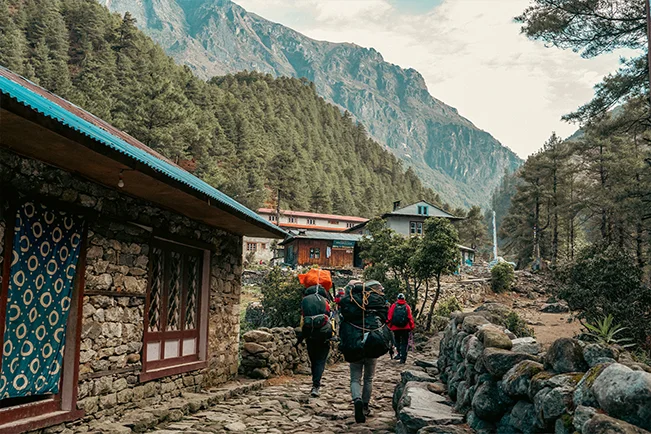
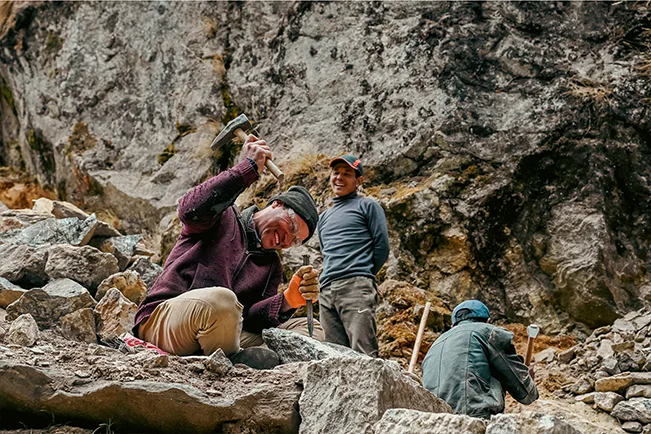
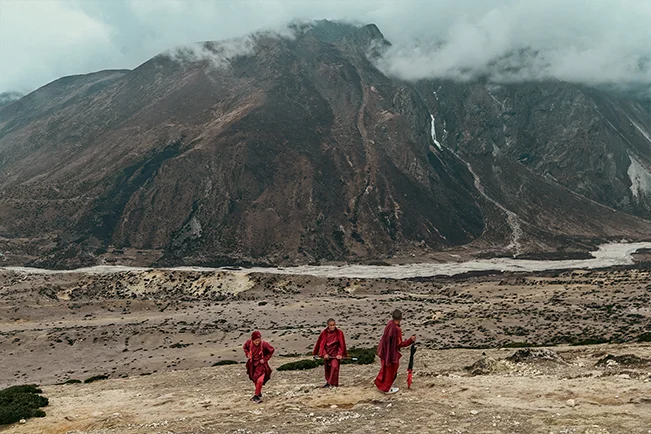
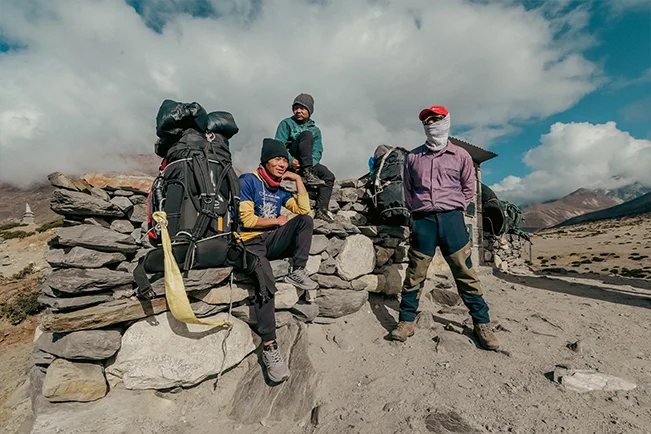
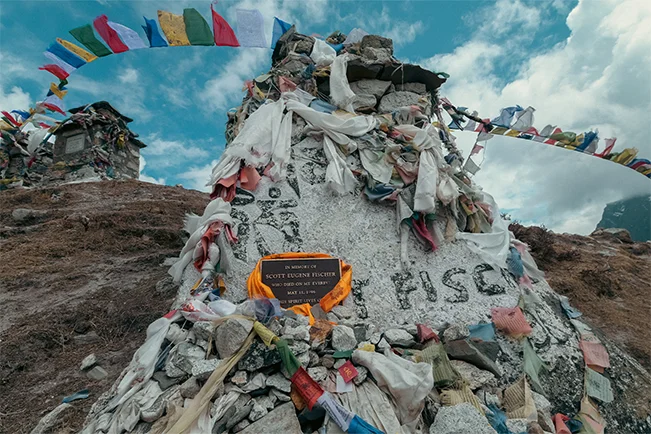
Much of the trek felt like a long, quiet pilgrimage. For most of the journey, it was just us, other trekkers scattered along the trail, and distant views of the mountains. Every so often, though, we’d encounter something that broke the monotony: horses against the mountain ranges, monks, local workers, small villages, or residents going about their daily lives.
These encounters felt like little rewards along the way.

As a photojournalist, I’ve always been drawn to people and the details of their surroundings. Beyond the sweeping landscapes, I photographed the culture embedded in the villages, the stones and steps along the trail, the animals, and the everyday lives of the people who call these mountains home.
I was especially fascinated by the locals who navigated the same difficult trails with such ease. While I struggled with the altitude and seemingly endless climbs, these were paths they traveled regularly. It gave me a greater appreciation for their lives and the environment they live in.
Traveling Light, Photographing More
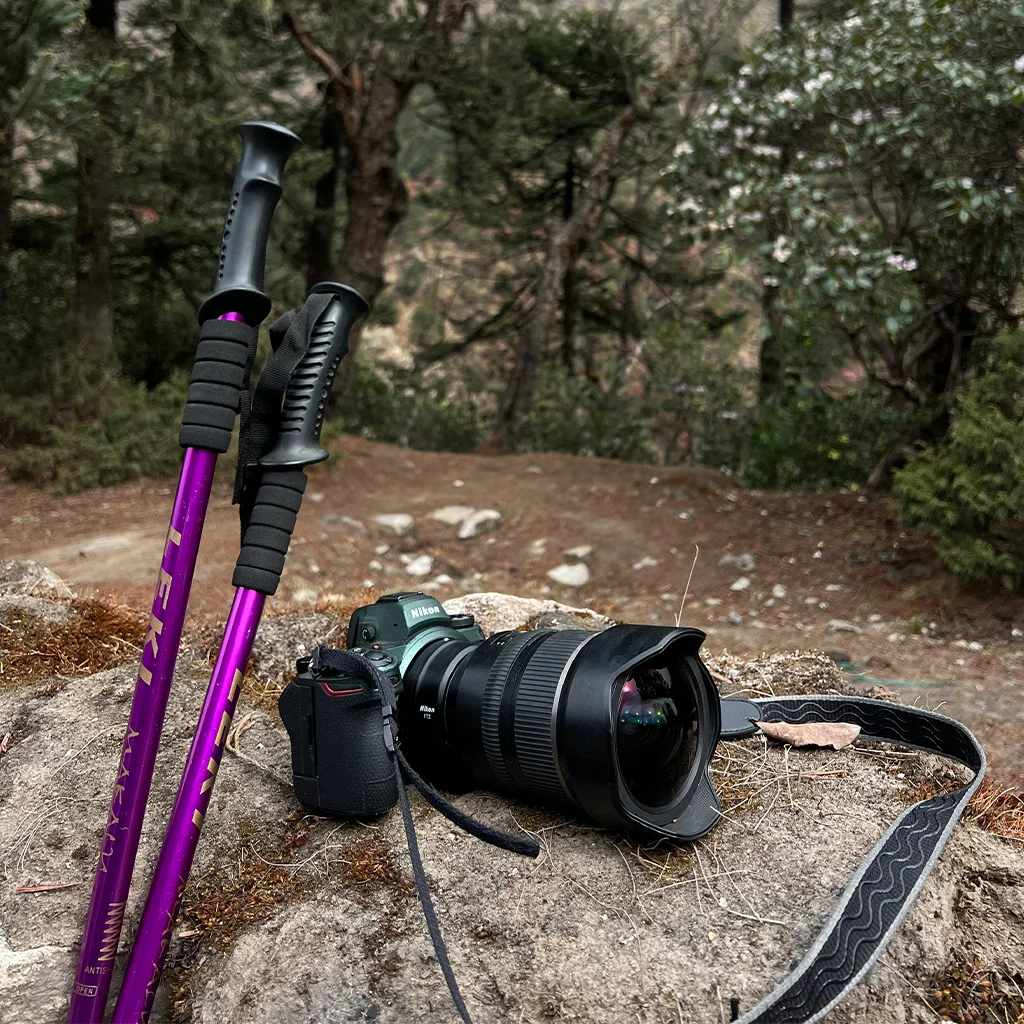
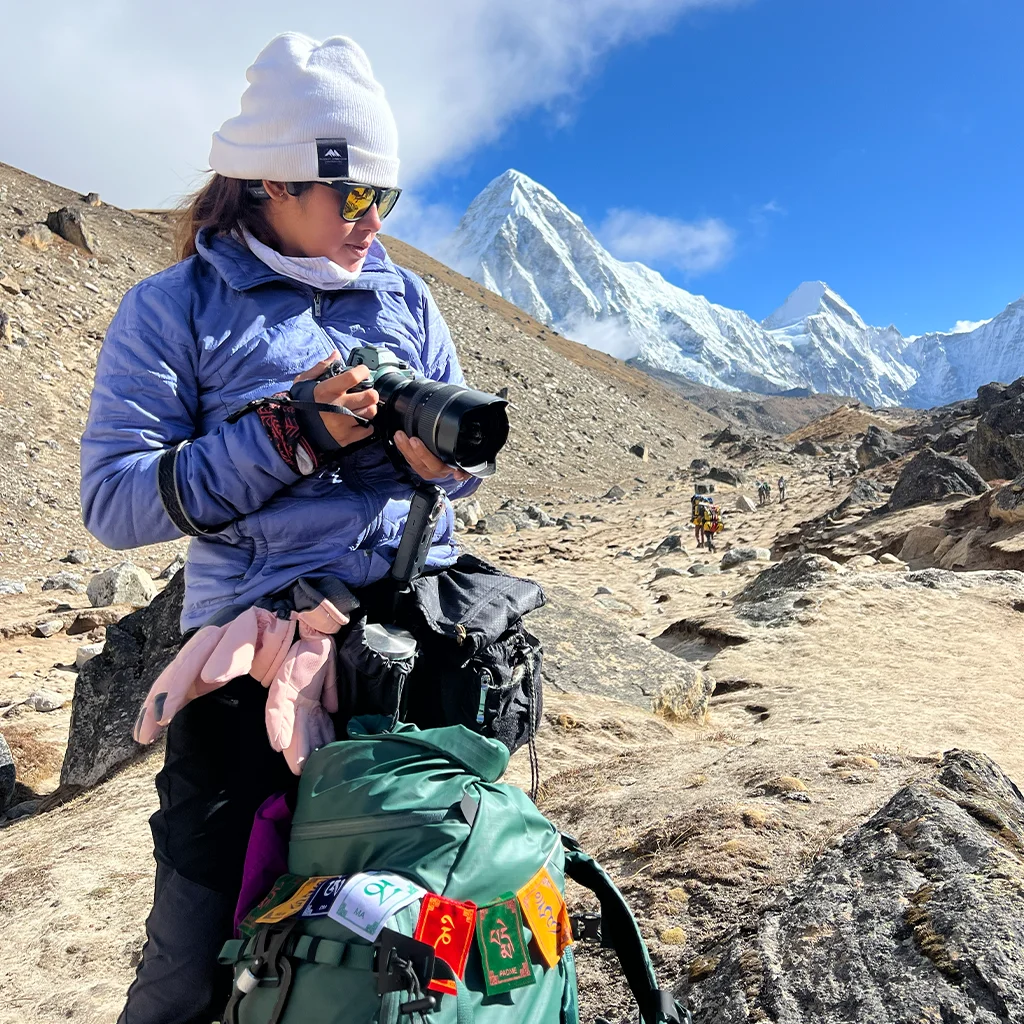
For this assignment, I used my Nikon Z6II with two Tamron lenses: the 35–150mm F/2–2.8 Di III VXD for Nikon Z and my older SP 15–30mm F/2.8 G2, mounted using an FTZ adapter.
Both lenses served different purposes. The 15–30mm allowed me to photograph expansive landscapes, environmental portraits, and moments unfolding close to me. Meanwhile, the 35–150mm covered portraits, animals, details along the trail, and tighter compositions of the mountains.
On a trek like Everest Base Camp, every bit of weight matters. As the days progressed and the altitude increased, I became more conscious of my energy, equipment, and the people traveling with me.
Neither lens was particularly light, but bringing these two meant I didn’t have to carry an entire trinity of zooms. I had to be selective about when to stop and photograph, while being considerate of my fellow trekkers, guide, and porters. My guide also helped carry some of my equipment, which made a tremendous difference.
Looking back, I’m glad I brought both lenses. They gave me the range and flexibility I needed without requiring a larger collection of equipment.
Why TAMRON?
I’ve always been a Nikon user, but for as long as I can remember, there’s been a Tamron lens in my camera bag.
As a freelance photojournalist, I choose my equipment based on practicality. I work in unpredictable environments where situations can change in seconds, and I don’t always have the luxury of switching lenses or carrying an entire camera system. I need equipment that gives me the flexibility to adapt without getting in the way of my work.
What I’ve always appreciated about Tamron is its approach to focal ranges. The 35–150mm f/2–2.8 is a good example. It bridges the gap between a standard zoom and a telephoto lens, giving me the flexibility to photograph portraits, everyday scenes, and distant subjects without constantly changing lenses.
It isn’t the lightest lens, but considering the range it covers, it’s a compromise I’m happy to make. I’ve brought it as my only lens on news assignments, knowing I might miss an extremely wide or distant shot, but also knowing I can cover most of what I need with a single piece of equipment.
The same goes for my 15–30mm f/2.8 G2. Even after transitioning to Nikon’s mirrorless system, I continued using it with an adapter because it still served its purpose. Having a reliable wide-angle lens is especially important in photojournalism, where including the surrounding environment can be just as essential as the subject itself.
Now that Tamron’s 16–30mm F/2.8 Di III VXD G2 is available for Nikon Z, it’s the newest addition to my camera bag. After years of using my 15–30mm with an adapter, I’m happy to finally have a native Z-mount wide-angle lens to complement my 35–150mm. Together, they cover much of what I need for my assignments without having to carry several different lenses.
Alecs also highlighted the reliability and versatility of TAMRON lenses, which have remained trusted companions throughout her years of assignments, adapting to her changing needs and camera systems.
“What keeps me coming back to TAMRON is how well their lenses fit the demands of my work. They’ve been part of my camera bag for years, through different assignments and changing camera systems, and they’ve continued to prove their value in the field.”
Beyond the Photographs
Reaching Everest Base Camp was an emotional experience for reasons beyond the physical challenge.
On the day we arrived, I received frightening news from home. My dad, whom I had left in the hospital before departing, had gone into cardiac arrest and needed to be resuscitated.
It was a difficult moment, receiving that news while being so far away. What should have been a moment of celebration for a great accomplishment became more complicated.
The journey gave me a greater appreciation for the world, the opportunity to travel, and the people whose lives I briefly encountered along the way. I also gained enormous respect for everyone who has completed the trek to Base Camp. It isn’t easy, and I have even greater admiration for those who attempt the summit.
As a photographer, Everest also reminded me of the limitations of photography.
A photograph can show the mountains, but it cannot fully communicate the cold, the difficulty of breathing at altitude, the exhaustion of walking for hours, or the feeling of standing before a landscape so enormous that it takes your breath away, sometimes quite literally.
But rather than discourage me, that realization challenged me.
I know I can never capture an entire experience in a single frame, but that doesn’t stop me from trying. It pushes me to look more closely, to be more deliberate about what I photograph, and to find ways of communicating even a fraction of what it felt like to be there.
Everest challenged me physically, mentally, and creatively. It reminded me how much of the world there still is to experience, how much there is to learn from the people we meet, and how fortunate I am to have a profession that takes me to places like this.
And I did come home feeling a little stronger. Literally. Haha.
![]() | About the author: Alecs OngcalAlecs Ongcal is a manila-based photojournalist whose work has been featured in both local and international publications. Focused in documenting social issues and communities around the Philippines. She has also collaborated with organizations that shed light on humanitarian and socioeconomic issues. During her spare time she enjoys traveling, taking it slow and more into moment.
|
TAMRON products mentioned in this article