
Camera Lens Types Explained: How to Choose the Right Lens
Choosing your first interchangeable-lens camera is exciting, but deciding which lens to use can be confusing.
There are many different types of camera lenses, and each one is designed to produce a different field of view and style of image. You’ll encounter terms such as wide-angle, standard, telephoto, macro, prime, zoom, focal length, aperture, and sensor size.
Understanding these basic terms makes it much easier to choose a lens that matches the way you want to photograph.
In this guide, we’ll explain the different types of camera lenses, how focal length and aperture affect your photos, the difference between prime and zoom lenses, and how to choose the right lens for common photography situations.
What Should You Know Before Choosing a Camera Lens?
Before looking at specific lens types, there are a few basic specifications you should understand.
1. Focal Length and Angle of View
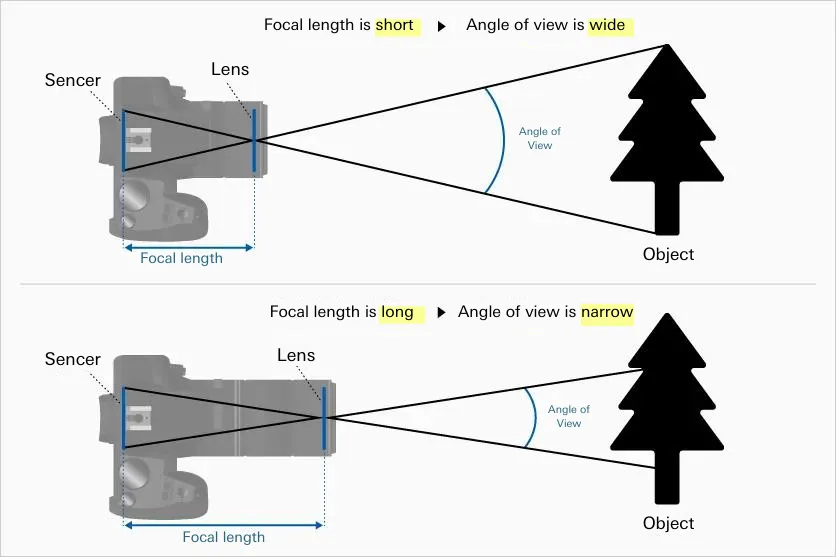
Focal length is one of the most important specifications of a lens. It is expressed in millimeters (mm) and affects how much of a scene the camera can capture.
In simple terms:
- Shorter focal lengths capture a wider area.
- Longer focal lengths capture a narrower area and make distant subjects appear larger.
For example, a 16mm lens can capture a much wider scene than a 200mm lens.
This is why wide-angle lenses are useful for landscapes and architecture, while telephoto lenses are useful for distant subjects such as wildlife and sports.
The focal length also affects the visual relationship between the subject and background, so it isn’t simply about “zooming in.”
2. What Is Aperture?
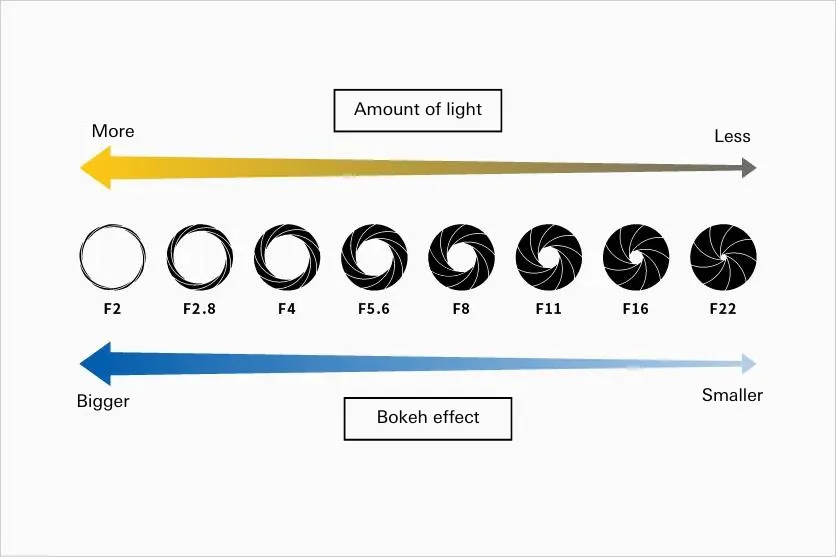
Aperture describes the opening inside the lens through which light enters the camera.
It is represented by an F-number, such as:
- F1.4
- F2
- F2.8
- F4
- F5.6
- F8
- F11
A smaller F-number means a larger aperture.
For example, F2.8 allows more light into the camera than F5.6.
A large aperture can be useful for:
- Shooting in low light
- Creating background blur
- Separating a subject from its surroundings
- Photographing portraits
- Creating a more cinematic look
A smaller aperture, such as F8 or F11, provides a greater depth of field, allowing more of the scene to appear in focus.
3. Understand Your Camera’s Sensor Size
The camera’s sensor size is another important consideration when choosing a lens.
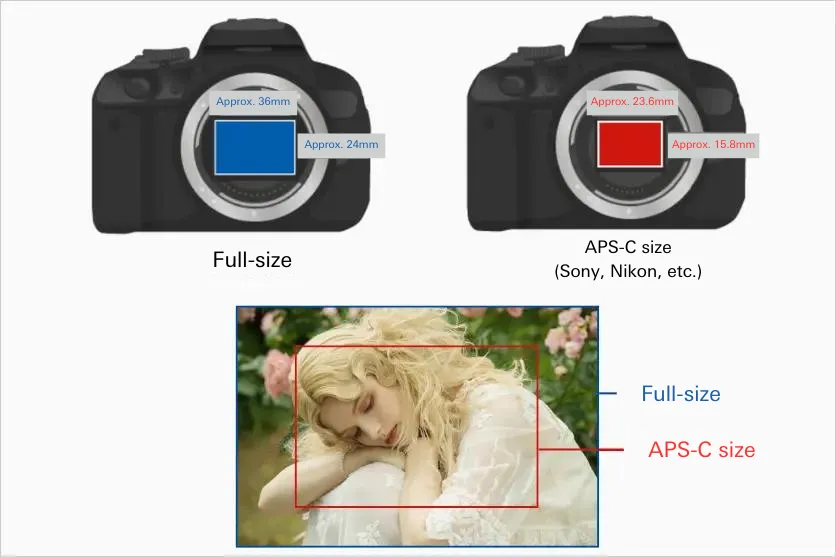
Two common sensor formats for mirrorless interchangeable-lens cameras are full-frame and APS-C.
Full-Frame
A full-frame sensor measures approximately 36 × 24mm, equivalent to the size of a 35mm film frame.
Full-frame cameras generally provide a wide selection of compatible lenses, and the larger sensor can provide characteristics such as strong low-light performance and shallow depth of field, depending on the camera and lens combination.
APS-C
APS-C sensors are smaller than full-frame sensors.
Because of the smaller sensor, the same focal length produces a narrower field of view compared with a full-frame camera.
APS-C cameras and lenses can also provide a compact and lightweight system, which can be useful for travel and everyday photography.
Why sensor size matters
A lens must be compatible with your camera’s sensor format.
Using a lens designed specifically for a smaller sensor on a full-frame camera can result in vignetting unless the camera automatically switches to a crop mode.
So before buying a lens, always check both:
Camera mount + sensor format compatibility.
4. Don’t Forget the Lens Mount
The lens mount is the physical connection between the camera and lens.
Different camera manufacturers use different mount systems, such as:
- Sony E
- Nikon Z
- Canon RF
- FUJIFILM X
- Micro Four Thirds
A lens needs to have a compatible mount for your camera.
Even if two lenses have exactly the same focal length and aperture, they may not be interchangeable if their mounts are different.
Always check your camera’s mount before purchasing a lens.
Understanding Lens Names
Lens names can initially look complicated, but they usually contain useful information.
For example:
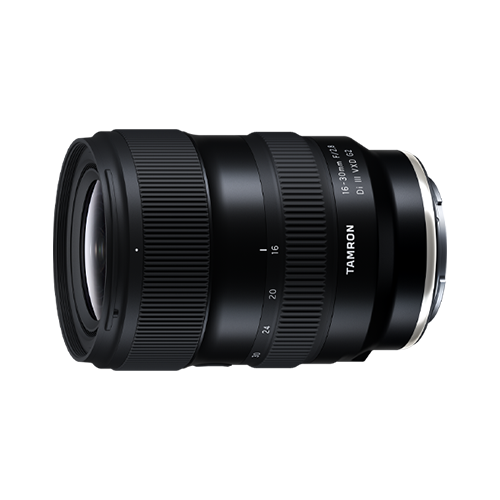
16-30mm F/2.8 Di III VXD G2
The 16-30mm indicates the focal length range.
The F/2.8 indicates the maximum aperture.
The other letters and terms describe the lens series, autofocus technology, stabilization, generation, or compatibility.
For a prime lens, you’ll usually see one focal length rather than a range.
For example:
20mm F/2.8
means the lens has a fixed 20mm focal length and a maximum aperture of F2.8.
Learning how to read lens names can make comparing different lenses much easier.
Prime Lens vs. Zoom Lens: What’s the Difference?
Another important distinction is between prime lenses and zoom lenses.
What Is a Zoom Lens?
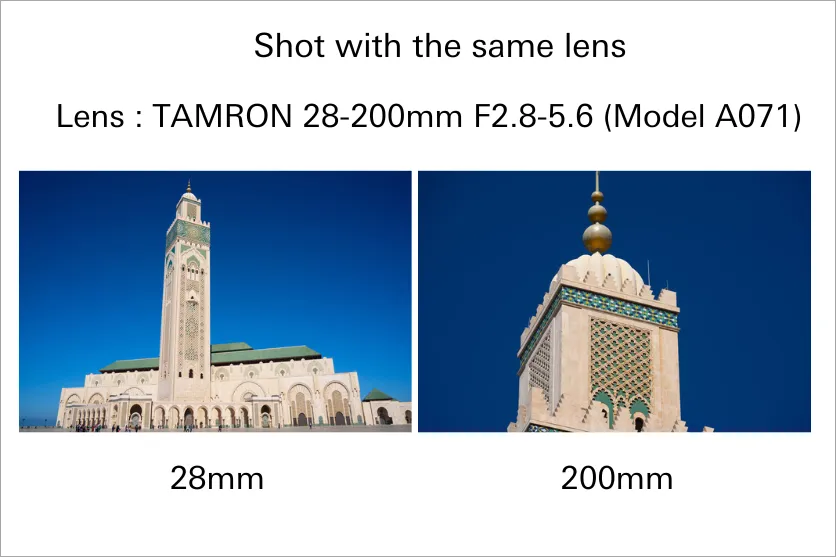
A zoom lens has a variable focal length.
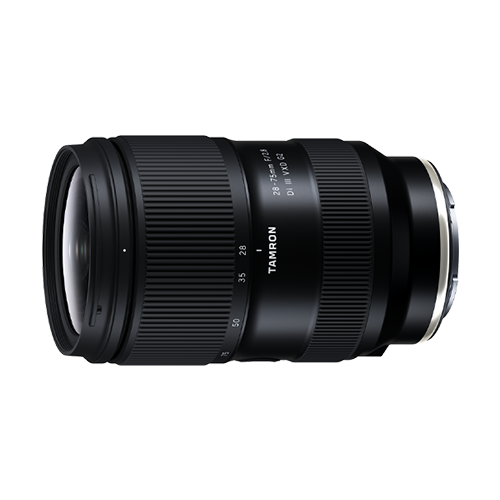
For example, a 28-75mm lens can be used at any focal length between 28mm and 75mm.
This means you can change the angle of view without changing your position or switching lenses.
Advantages of zoom lenses
Zoom lenses are particularly useful when:
- You photograph different types of subjects
- You travel frequently
- Your shooting distance changes often
- You want to carry fewer lenses
- You need to react quickly to changing situations
For beginners, a standard zoom lens can be a practical starting point because it allows you to experiment with different focal lengths.
What Is a Prime Lens?
A prime lens has a fixed focal length.
For example, a 35mm prime lens always shoots at 35mm.
If you want your subject to appear larger or smaller in the frame, you generally need to physically move closer or farther away.

At first, this may seem less convenient than a zoom lens.
However, prime lenses have several advantages.
Many prime lenses feature large maximum apertures, which can help produce:
- Strong background blur
- Better low-light performance
- Subject separation
- Compact designs
- High image quality
A prime lens can also encourage you to think more carefully about your position and composition.
Main Types of Camera Lenses
Now that we’ve covered the basic terminology, let’s look at the major types of lenses and what they’re useful for.
Wide-Angle Lenses
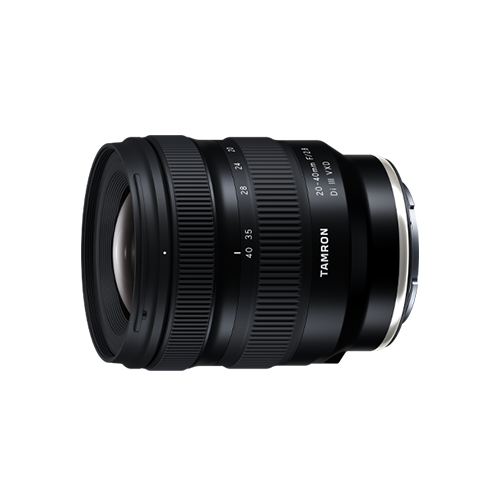
Wide-angle lenses have a short focal length and a broad angle of view.
For full-frame cameras, lenses around 35mm or wider are generally considered wide-angle.
They’re useful when you want to include a large amount of the scene.
Wide-angle lenses are useful for:
- Landscape photography
- Architecture
- Travel photography
- Cityscapes
- Group photos
- Interior photography
- Environmental portraits
- Vlogging and video
Wide-angle lenses can also emphasize perspective.

Objects close to the camera may appear significantly larger than objects farther away, creating a strong sense of depth.
Ultra-wide-angle lenses
Ultra-wide-angle lenses go even wider.
They can be particularly useful when:
- You want to capture expansive landscapes
- You’re shooting inside a small room
- You want dramatic perspective
- You need to include a large building or structure
- You want to create an immersive viewpoint
However, wide-angle lenses can exaggerate perspective, so people near the edges of the frame may appear stretched or distorted.
Standard Lenses
Standard lenses provide a field of view that appears relatively natural.
For full-frame cameras, around 50mm is traditionally considered a standard focal length.
Standard lenses are useful for many everyday subjects, including:
- Street photography
- Travel
- Portraits
- Food
- Products
- Everyday snapshots
- Family photography
Because the perspective can feel natural and easy to compose, standard lenses are often a good choice for beginners.

Standard Zoom Lenses
A standard zoom lens combines the versatility of a zoom with focal lengths that cover many everyday situations.
For example, a 28-75mm lens can move from a moderately wide view to a short telephoto perspective.
This allows you to photograph:
- Landscapes
- People
- Portraits
- Travel scenes
- Food
- Events
- Everyday subjects
A standard zoom is often a practical first interchangeable lens because it lets you experiment with different focal lengths before deciding what type of specialized lens you need.
Telephoto Lenses
Telephoto lenses have longer focal lengths and narrower angles of view.
For full-frame cameras, approximately 80mm and above is generally considered telephoto.
They’re useful when you can’t physically get close to your subject.
Telephoto lenses are commonly used for:
- Sports
- Wildlife
- Birds
- Portraits
- Stage performances
- Events
- Travel details
Telephoto lenses can also produce a strong background blur and a visual effect often described as compression, where distant background elements appear closer together.
This can create an appealing look for portraits and landscapes.

Ultra-Telephoto Lenses
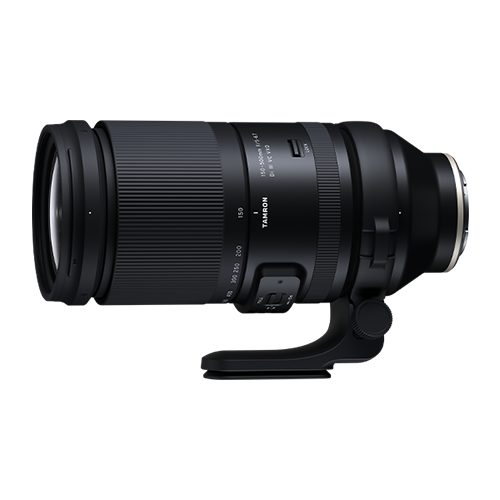
Ultra-telephoto lenses extend even farther into long focal lengths, generally around 300mm and above.
They’re particularly useful for subjects that are difficult or impossible to approach closely.
For example:
- Birds
- Wildlife
- Motorsports
- Airshows
- Distant sports action
- Moon photography
The longer focal length allows you to fill more of the frame with a distant subject.
However, ultra-telephoto lenses can be larger and heavier than shorter lenses, so portability and handling are important considerations.
Macro Lenses
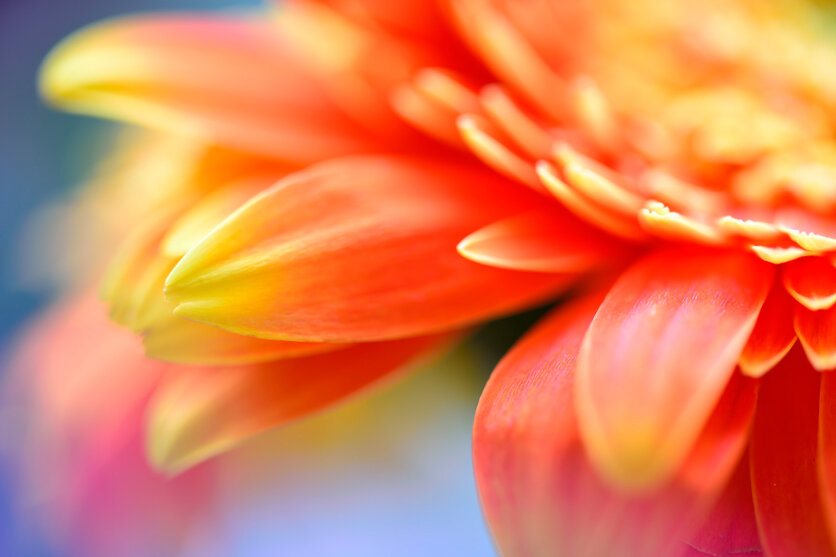
A macro lens is designed for close-up photography.
Macro lenses allow you to capture fine details that may be difficult to see with a conventional lens.
They’re useful for photographing:
- Flowers
- Insects
- Jewelry
- Food
- Small products
- Textures
- Everyday objects
A macro lens with a high magnification ratio can reproduce small subjects at a much larger size on the camera sensor.
Macro photography is also a great way to discover interesting photographic subjects in everyday surroundings.
How to Choose the Right Lens for What You Want to Photograph
Instead of asking, “What is the best lens?”, a better question is:
“What do I want to photograph?”
Different subjects require different characteristics.
Best Lens Type for Landscape Photography
For expansive landscapes, a wide-angle lens is often a good choice.
A wide field of view allows you to include more of the environment while emphasizing depth and perspective.
A lens around 16-30mm, for example, can be useful when photographing:
- Mountains
- Beaches
- Forests
- Cityscapes
- Architecture
- Large groups of people
For landscapes, also consider whether you need a large aperture. If you’re primarily photographing during daylight and using a tripod, a smaller aperture may be perfectly suitable.
Best Lens Type for Portrait Photography
For portraits, standard to telephoto focal lengths can provide flattering perspectives.
Around 50mm to 135mm on full-frame can be useful depending on the type of portrait you’re creating.
A lens with a large aperture can also help separate the subject from the background.
For environmental portraits, however, a wider lens can be useful when you want to show the person’s surroundings.
Best Lens Type for Sports Photography
Sports photography often requires a telephoto lens because the photographer may be positioned far from the action.
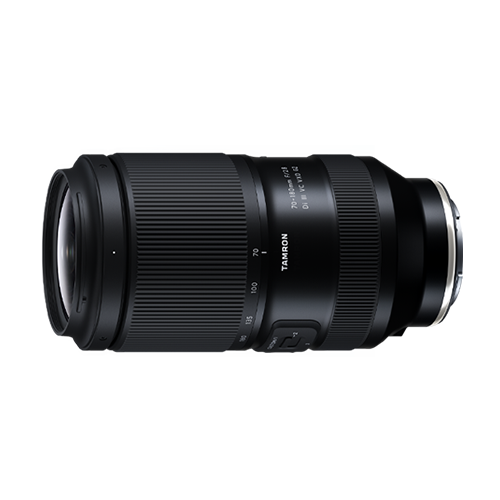
A lens around 70-200mm can be useful for many sports situations, while longer focal lengths can be beneficial when you’re farther from the subject.
If you’re photographing an entire stadium or venue, a wide-angle lens may be more appropriate.
The right lens therefore depends on whether you’re trying to capture:
the individual athlete or the atmosphere of the event.
Best Lens Type for Wildlife and Bird Photography
Wildlife and bird photography generally benefits from longer focal lengths.
An ultra-telephoto zoom can allow you to fill the frame while keeping an appropriate distance from your subject.
For birds and wildlife, autofocus performance, image stabilization, portability, and maximum focal length are all important factors.
Best Lens Type for Travel Photography
Travel photography can involve many different subjects in a single day.
You might photograph a landscape in the morning, architecture in the afternoon, and a portrait or food scene in the evening.
For this reason, a standard zoom or all-in-one zoom lens can be particularly convenient.
You can also choose a wide-angle zoom if landscapes and architecture are your priority.
The key consideration is how much equipment you’re willing to carry.
Best Lens Type for Everyday Photography
For everyday photography, versatility is often more important than having the longest or widest focal length.
A standard zoom lens can cover many common situations without requiring you to change lenses.
An all-in-one zoom can provide even more flexibility if you want to travel with just one lens.
For beginners, this can be a good way to discover which focal lengths you naturally prefer.
3 Things to Consider When Choosing a Lens
Once you’ve identified the type of lens you need, there are three additional factors worth considering.
1. Autofocus and Stabilization
If your subjects move frequently, fast and accurate autofocus can make a major difference.
Image stabilization can also help when shooting handheld, particularly with longer focal lengths or in low-light situations.
TAMRON uses technologies such as VXD autofocus and VC (Vibration Compensation) on selected lenses.
Think about the subjects you photograph most often and choose features that support those situations.
2. Aperture
If you often photograph indoors, at night, or want strong background blur, consider a lens with a large maximum aperture.
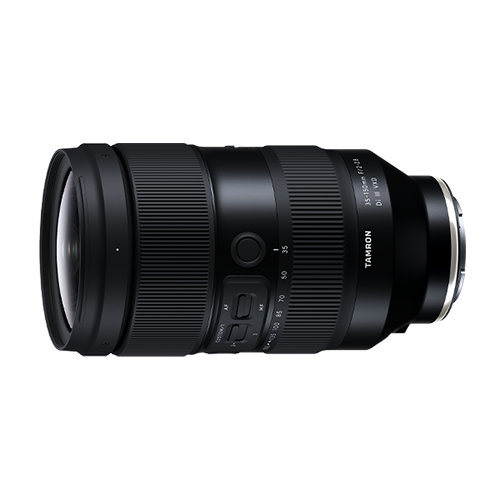
For example, an F2.8 zoom can provide a useful combination of:
- Light-gathering ability
- Background blur
- Autofocus performance
- Consistent exposure across the zoom range
If portability is your priority, however, a lens with a smaller maximum aperture may be preferable because it can be more compact and lightweight.
3. Size and Weight
Don’t overlook portability.
A lens may have impressive specifications, but if it’s too heavy for the way you normally photograph, you may be less likely to carry and use it.
This is especially important for:
- Travel
- Hiking
- Street photography
- Family outings
- Long shooting sessions
A compact lens that you actually carry with you can be more useful than a larger lens that stays at home.
A Simple Lens Guide for Beginners
If you’re still unsure which lens to choose, start with the type of photography you enjoy most.
| What you want to photograph | Lens type to consider |
|---|---|
| Landscapes | Wide-angle / ultra-wide-angle |
| Architecture | Wide-angle |
| Travel | Standard zoom / all-in-one zoom |
| Everyday photography | Standard zoom |
| Portraits | Standard / telephoto |
| Sports | Telephoto |
| Wildlife | Telephoto / ultra-telephoto |
| Birds | Ultra-telephoto |
| Flowers and small objects | Macro |
| Vlogging | Wide-angle / standard zoom |
| Night photography | Large-aperture lens |
Which Lens Should a Beginner Buy First?
If you’re purchasing your first interchangeable-lens camera lens, you don’t necessarily need to buy a specialized lens immediately.
A standard zoom lens is often a practical place to start because it allows you to experiment with different focal lengths and subjects.
After using it for a while, you’ll start to notice what you enjoy photographing.
If you find yourself constantly wanting a wider view, consider a wide-angle lens.
If you photograph distant subjects, consider a telephoto lens.
If you enjoy portraits and background blur, consider a large-aperture prime or telephoto lens.
If you travel frequently and don’t want to change lenses, consider an all-in-one zoom.
This approach lets your photography experience guide your next lens purchase.
Build Your Lens Kit Around Your Photography
There is no single lens that is perfect for every photographer.
The right choice depends on:
- What you photograph
- Where you photograph
- How close you can get to your subject
- How much equipment you’re willing to carry
- How much background blur you want
- How much light you normally have
- Whether you photograph stills, video, or both
Understanding focal length, aperture, sensor size, lens type, and mount compatibility will make it much easier to compare lenses.
Start with the subjects you enjoy most, choose a lens that supports those subjects, and gradually build your lens collection as your photography develops.
The goal isn’t to own the most lenses. It’s to have the right lens for the photographs you want to make.
TAMRON products mentioned in this article