
Cherry Blossom Photography: Tips, Settings & Lens Guide
Cherry blossoms are one of the most beautiful signs of spring. Their delicate petals, soft colors, and fleeting blooming season make them a favorite subject for photographers. Whether you want to capture an expansive landscape filled with cherry trees, a close-up of delicate petals, or a portrait surrounded by blossoms, the right combination of camera settings, composition, lighting, and lens choice can make a significant difference.
In this guide, we’ll introduce practical cherry blossom photography tips, including recommended camera settings, composition techniques, lighting considerations, and ways to choose the right lens for different shooting situations.
Why Use an Interchangeable-Lens Camera for Cherry Blossom Photography?
An interchangeable-lens camera gives you greater control over how you photograph cherry blossoms. By changing lenses and adjusting settings such as aperture, shutter speed, and ISO sensitivity, you can create very different images from the same location.
A wide-angle lens can help capture an entire row of cherry trees and the surrounding landscape, while a telephoto lens can compress layers of blossoms and isolate individual flowers against a beautifully blurred background.
Aperture, shutter speed, and ISO also allow you to adapt to changing light conditions throughout the day.
Recommended Camera Settings for Cherry Blossoms
There is no single set of camera settings that works for every cherry blossom scene. The ideal settings depend on the weather, available light, subject movement, and the effect you want to create.
Shooting Mode
Aperture Priority mode is a convenient starting point for cherry blossom photography. It allows you to control the aperture while the camera automatically selects an appropriate shutter speed.
This is especially useful when you want to control background blur. A wider aperture, represented by a smaller F-number, can create a shallow depth of field and separate the blossoms from the background.
For falling petals or blossoms moving in the wind, Shutter Priority mode can be useful because you can choose a faster shutter speed to freeze movement.
Once you become comfortable with your camera, Manual mode gives you complete control over exposure.
Shutter Speed
Shutter speed controls how long the camera’s shutter remains open. It affects both exposure and motion blur.
For relatively still cherry blossoms, a shutter speed around 1/100 to 1/250 second can be a useful starting point. Adjust it depending on the amount of movement in the flowers and the available light.
If the wind is moving the branches or petals, increase the shutter speed to reduce motion blur.
For falling petals, a faster shutter speed can help freeze individual petals in the air. Continuous shooting can also increase your chances of capturing the right moment.
ISO Sensitivity
Use the lowest practical ISO setting when there is plenty of available light. On a bright day, ISO 100–200 can be a good starting point.
When shooting under cloudy skies, in the early morning, or in the evening, you may need to increase the ISO to maintain a suitable shutter speed.
Avoid increasing ISO unnecessarily, however, because higher ISO settings can introduce more visible image noise.
1. Check the Blooming Forecast and Weather
Timing is one of the most important parts of cherry blossom photography.
Cherry blossoms have a relatively short peak-bloom period, so check the expected blooming period before planning your shoot. Weather conditions are equally important because rain and strong winds can affect both the appearance and lifespan of the blossoms.
Popular cherry blossom locations can also become crowded during peak season. Planning your visit around the expected bloom and choosing an appropriate time of day can make it easier to find interesting compositions.
2. Choose the Right Lens
Lens selection can dramatically change the appearance of cherry blossoms.
Telephoto Lenses for Layered Blossoms and Close-Ups
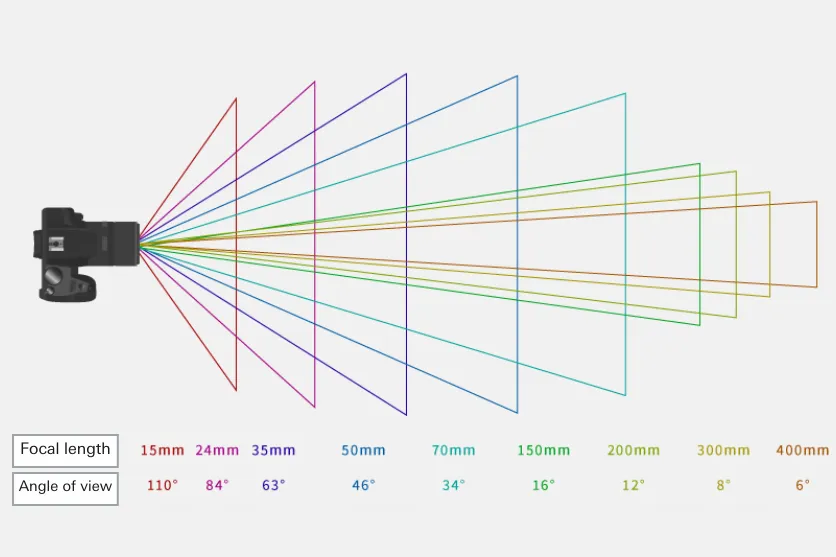
Telephoto lenses are particularly useful when photographing rows of cherry trees or groups of blossoms.
One of the advantages of a telephoto lens is its ability to create a compression effect. Distant subjects appear visually closer together, allowing multiple layers of cherry blossoms to fill the frame.
This can create an image with a dense, immersive appearance.
Telephoto lenses are also useful for photographing individual branches and flowers from a distance. A wide aperture can help create soft background blur while keeping the main subject prominent.
Wide-Angle Lenses for Landscapes
A wide-angle lens is useful when you want to show cherry blossoms together with their surroundings.
For example, you can photograph an entire row of cherry trees, a river lined with blossoms, a park, mountain scenery, or architecture surrounded by spring flowers.
Wide-angle lenses also emphasize perspective, making foreground subjects appear larger while creating a stronger sense of depth.
Standard Zoom Lenses for Flexibility
A standard zoom lens can be a practical choice when you want to photograph different subjects without frequently changing lenses.
The wider end can be used for environmental scenes, while the telephoto end can help isolate individual blossoms or create background blur.
This flexibility can be particularly useful when photographing during a busy spring outing or traveling between multiple locations.
3. Adjust Exposure for the Weather and Time of Day
Cherry blossoms have delicate colors that can easily lose their impact if the exposure is not carefully controlled.
On bright days, pay attention to highlights in the flowers and surrounding sky. Under cloudy conditions or during the early morning and evening, you may need to increase exposure to maintain brightness.
A smaller F-number allows more light to reach the camera sensor, while increasing ISO can also brighten the image without changing the aperture.
Exposure compensation is another convenient way to fine-tune brightness, especially when the camera’s automatic metering produces an image that is darker or brighter than you intended.
4. Pay Attention to Composition
Good composition can transform a simple photograph of a flowering tree into a more compelling image.
Rule of Thirds
The rule of thirds is useful when photographing a large cherry blossom landscape.
Imagine dividing the frame into three sections horizontally and vertically, then position the main subject along one of the lines or near an intersection.
For example, you can place a cherry tree along one side of the frame while leaving space for the sky, mountains, or surrounding landscape.
Diagonal Composition
Look for branches, rows of trees, paths, or riverbanks that naturally create diagonal lines.
These lines can guide the viewer’s eye through the photograph and add a stronger sense of depth.
Centered Composition
A centered composition can work particularly well for close-up photographs.
Place a single cluster of blossoms or a distinctive branch near the center of the frame and simplify the surrounding background.
The key is to avoid letting unnecessary background elements compete with the flowers.
5. Keep the Background Simple
The background is just as important as the cherry blossoms themselves.
Busy buildings, signs, people, and branches can distract from the main subject. Before pressing the shutter, look around the edges of the frame and see whether there are elements that could be removed simply by changing your position.
A clean blue sky can provide strong contrast against pale pink or white blossoms.
You can also use distant trees, mountains, architecture, or other spring flowers to create a more layered background.
6. Pay Attention to the Direction of Light
Light can completely change the appearance of cherry blossoms.
Front lighting can illuminate the flowers evenly and make it easier to capture their delicate colors and details.
Backlighting can produce a different effect, especially when sunlight passes through translucent petals. However, the flowers themselves can become darker depending on the exposure and direction of the light.
Morning and evening light can provide a softer, warmer appearance. The period around sunset, commonly known as golden hour, can add warmth and atmosphere to a cherry blossom scene.
Don’t be afraid to move around your subject and try different shooting directions.
7. Use Foreground and Background Blur
Cherry blossoms are excellent subjects for experimenting with depth of field.
Instead of photographing a single flower against a completely clear background, look for additional blossoms between the camera and your main subject.
These foreground flowers can become soft, colorful shapes that frame the subject and create a stronger sense of depth.
A telephoto lens and wide aperture can make this effect particularly pronounced.
Cherry Blossom Photography Ideas
Once you have the basic camera settings and composition techniques under control, try photographing cherry blossoms in different situations.
Capture Rows of Cherry Trees
Rows of cherry trees can create powerful images because the repeated blossoms naturally create depth.
A telephoto lens can compress the trees together, making the scene appear denser and more immersive.
Try photographing from an angle rather than directly facing the row. This can create diagonal lines that lead deeper into the frame.
For a wider environmental photograph, switch to a wide-angle lens and include the surrounding landscape.
Photograph Individual Cherry Blossom Petals
Close-up photography allows you to highlight the delicate details of the flowers.
Look for an interesting cluster of blossoms, a single flower, or a branch with a distinctive shape.
Use a wider aperture to separate the subject from the background, but make sure the important parts of the flower remain within the depth of field.
If the wind is moving the petals, increase your shutter speed to minimize motion blur.
Create a Cherry Blossom Tunnel
Look for paths or roads where cherry trees extend along both sides.
By positioning yourself underneath or between the trees, the branches can naturally frame the scene and create a tunnel-like effect.
This type of composition gives the viewer a feeling of looking through the blossoms toward a subject or destination.
A wide-angle lens can emphasize the surrounding branches and the depth of the path.
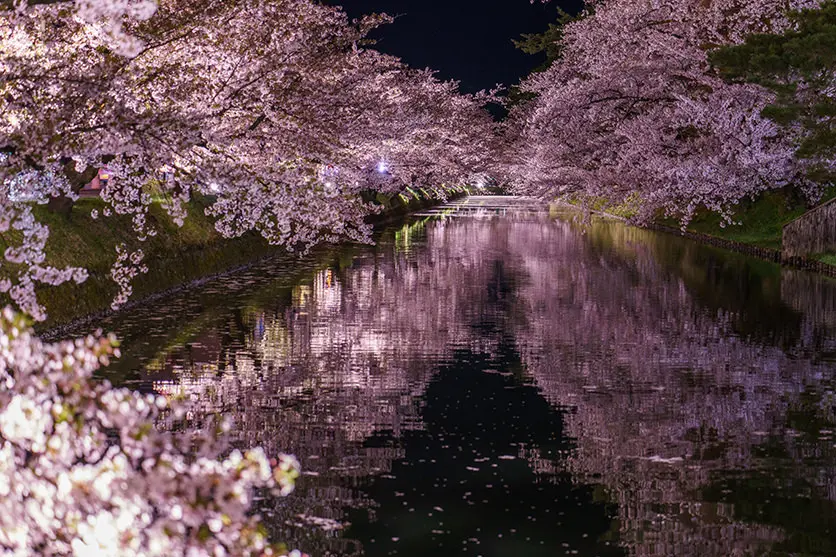
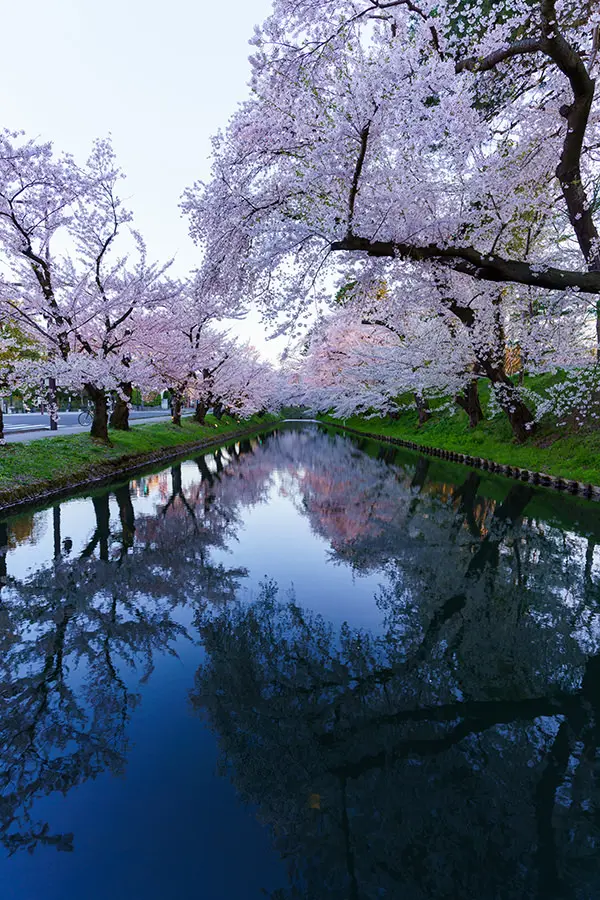
Photograph Cherry Blossoms Reflected in Water
Water reflections can add another dimension to cherry blossom photography.
Look for ponds, lakes, rivers, or other calm surfaces where the flowers are reflected.
A telephoto lens can be useful when you want to isolate the reflection or visually compress blossoms along the water’s surface.
For the clearest reflections, try shooting when the water is relatively calm and there is little wind.
Advantage 2: Flexibility When Your Subject Changes
Photography rarely happens exactly as planned.
You may begin photographing a landscape and suddenly notice something interesting in the distance.
Or you may be photographing a person and then want to capture the environment around them.
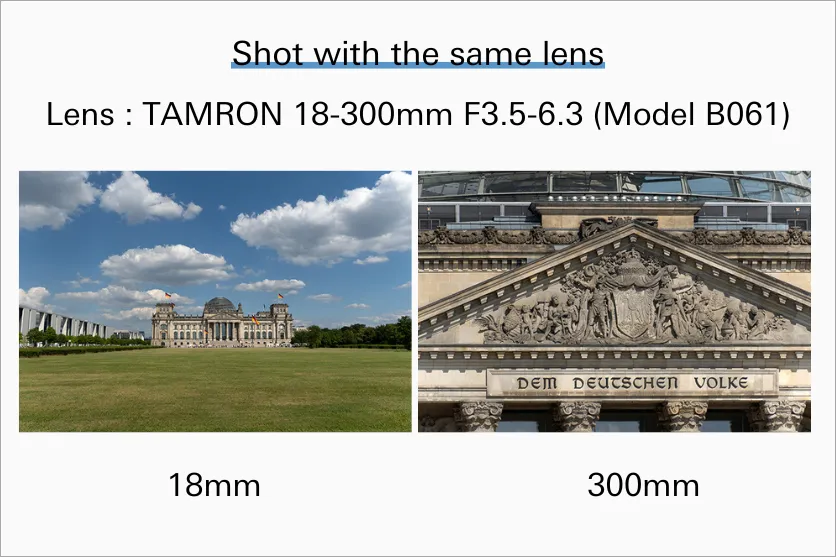
An all-in-one zoom lens lets you respond quickly.
For example:
Wide angle: Capture the entire scene.
Standard: Photograph people naturally.
Telephoto: Isolate a distant subject.
Long telephoto: Capture distant details.
You don’t have to stop shooting to change lenses.
Simply adjust the zoom.
This can be especially helpful when the scene is changing quickly.
Photograph Cherry Blossoms at Night
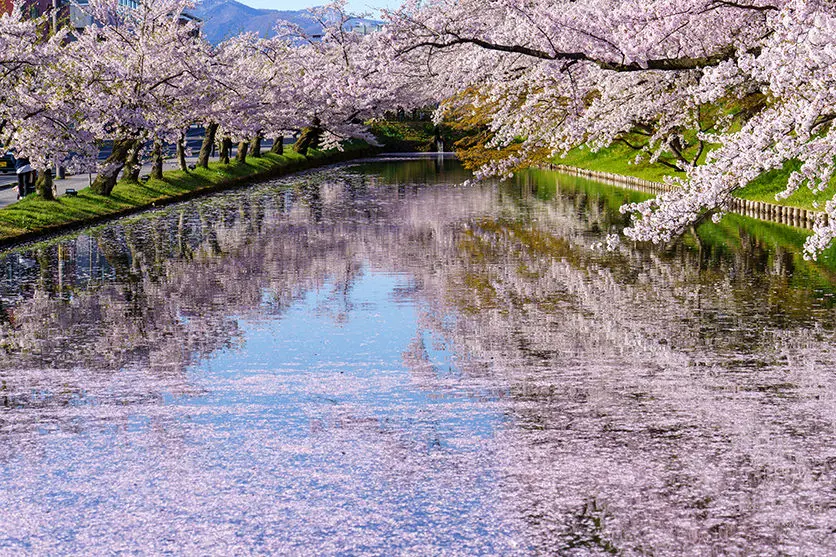
Illuminated cherry blossoms can look dramatically different after sunset.
Night photography requires careful exposure because there is significantly less available light.
Start with a wider aperture and adjust your shutter speed and ISO according to the scene. A slower shutter speed can help gather more light, but be mindful of camera shake and movement in the flowers.
If your camera is mounted on a tripod, a slower shutter speed can allow you to keep ISO lower and preserve image quality.
Pay attention to nearby light sources as well. Artificial lighting can create beautiful illumination on the flowers, but extremely bright areas can become overexposed.
Photographing Cherry Blossoms in Cloudy Weather
Don’t avoid cherry blossom photography simply because the sky is cloudy.
Cloudy conditions provide soft, diffused light that can reduce harsh shadows and create an even appearance across the flowers.
However, pale blossoms can blend into a bright gray sky.
Instead of including too much sky, try filling more of the frame with flowers or incorporating darker trees, buildings, or other elements into the background.
The softer light can also be useful for close-up photography because it reduces strong highlights and shadows.
Photographing Falling Cherry Blossoms
Cherry blossoms can be especially interesting when they begin to fall.
Instead of photographing only the trees in full bloom, look for individual petals moving through the air or covering the ground.
To freeze petals in motion, use a faster shutter speed and continuous shooting.
Try positioning the falling petals against a contrasting background such as a blue sky, dark tree branches, or green foliage.
You can also photograph fallen petals scattered across grass, paths, or water to capture the changing character of the season.
Add a Spring Atmosphere to Portraits
Cherry blossoms make an excellent background for portraits.
A telephoto lens can help isolate your subject from the surrounding environment while creating a soft background blur.
You can also experiment with foreground blossoms. Position flowers between the camera and your subject so that they become soft, colorful shapes around the edges of the frame.
For children, try photographing from approximately their eye level rather than shooting from above. This can create a more natural perspective while allowing the blossoms to remain part of the composition.
Photograph Cherry Blossoms as Part of Everyday Life
Cherry blossoms don’t always need to be the main subject.
Try incorporating them into photographs of streets, schools, homes, parks, temples, or other places that are meaningful to the season.
A wide-angle or standard zoom lens can help you include both the blossoms and their surroundings.
This approach can create photographs that tell more of a story rather than simply documenting the flowers themselves.
How to Choose a Lens for Cherry Blossom Photography
When choosing a lens, consider the type of photographs you want to create.
Focal Length
A telephoto lens is useful for isolating flowers, compressing rows of trees, and photographing subjects that are difficult to approach.
Longer focal lengths can also make it easier to fill the frame with distant blossoms.
A wide-angle lens, meanwhile, is better suited to expansive landscapes and environmental photographs.
Maximum Aperture
A lens with a large maximum aperture, such as F2.8, can be useful when shooting in low-light conditions and when you want to create a shallow depth of field.
A wide aperture can help separate cherry blossoms from the background and produce attractive bokeh.
Size and Weight
Cherry blossom photography often involves walking between different locations.
A compact, lightweight lens can make it easier to carry your equipment for extended periods and can be particularly useful when shooting handheld in crowded locations.
Minimum Object Distance
A lens with a short minimum object distance can be useful when photographing flowers and branches at close range.
This gives you more flexibility when you want to fill the frame with details while maintaining background separation.
Autofocus and Image Stabilization
Fast and accurate autofocus can help you capture fleeting moments, particularly when photographing moving petals or people surrounded by blossoms.
Image stabilization can also be valuable when shooting handheld, especially when using a telephoto lens or working in lower light.
Recommended TAMRON Lenses for Cherry Blossom Photography
TAMRON offers a range of lenses that can be used for different approaches to cherry blossom photography, from expansive landscapes to close-up details and portraits.
Wide-Angle Zoom Lenses
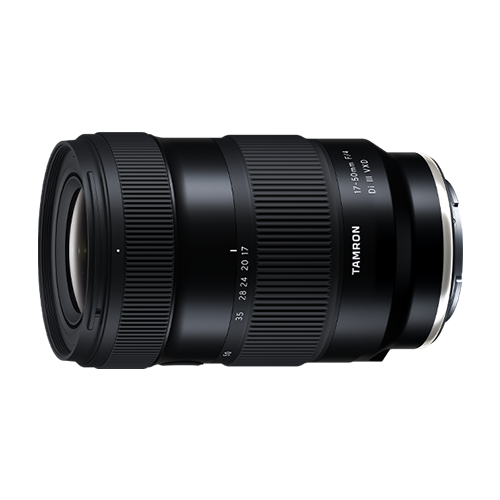
17-50mm F/4 Di III VXD (Model A068)
The 17-50mm F/4 Di III VXD covers everything from ultra-wide 17mm to standard 50mm, providing flexibility for landscapes and everyday photography.
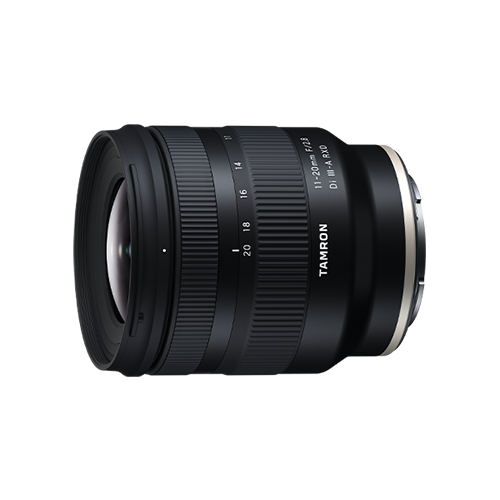
11-20mm F/2.8 Di III-A RXD (Model B060)
For APS-C mirrorless cameras, the 11-20mm F/2.8 Di III-A RXD provides an ultra-wide field of view that can be useful for dramatic cherry blossom landscapes and environmental scenes.
Standard Zoom Lenses
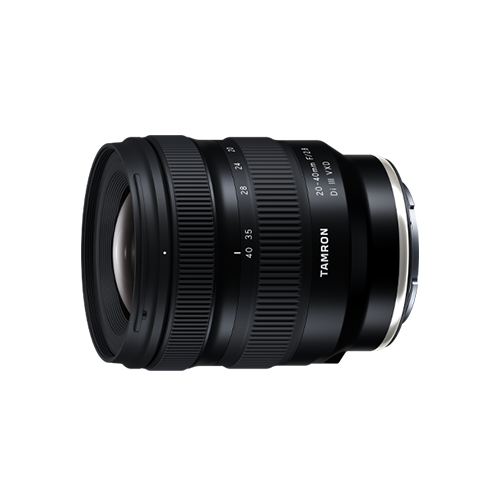
20-40mm F/2.8 Di III VXD (Model A062)
The 20-40mm F/2.8 Di III VXD combines an ultra-wide 20mm focal length with a standard 40mm range in a compact design. It can be useful when moving between wide environmental photographs and more natural perspectives.
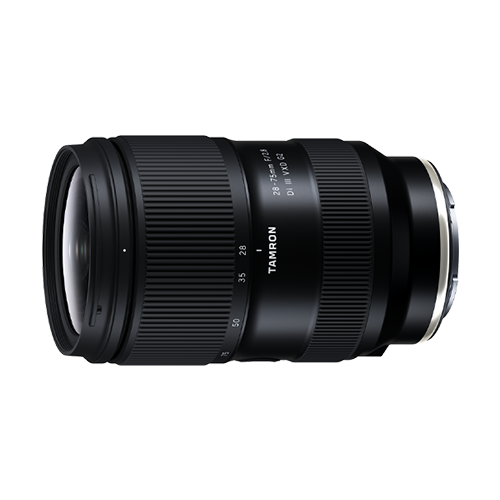
28-75mm F/2.8 Di III VXD G2 (Model A063)
The 28-75mm F/2.8 Di III VXD G2 provides a versatile range for landscapes, portraits, close-up details, and everyday photography. Its F2.8 maximum aperture also makes it useful for creating background blur.
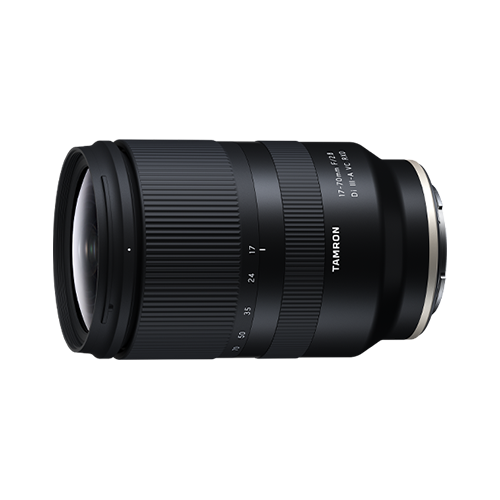
17-70mm F/2.8 Di III-A VC RXD (Model B070)
For APS-C mirrorless cameras, the 17-70mm F/2.8 Di III-A VC RXD covers a versatile range from wide-angle to telephoto, making it suitable for photographing both landscapes and more distant subjects.
Telephoto Zoom Lenses
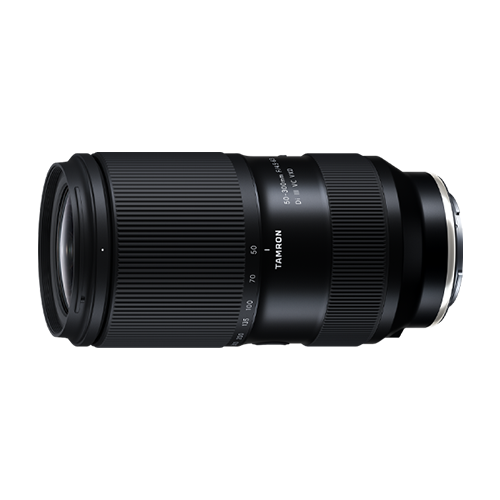
50-300mm F/4.5-6.3 Di III VC VXD (Model A069)
The 50-300mm F/4.5-6.3 Di III VC VXD provides a broad telephoto range, making it useful for isolating cherry blossoms, compressing rows of trees, and photographing distant subjects.
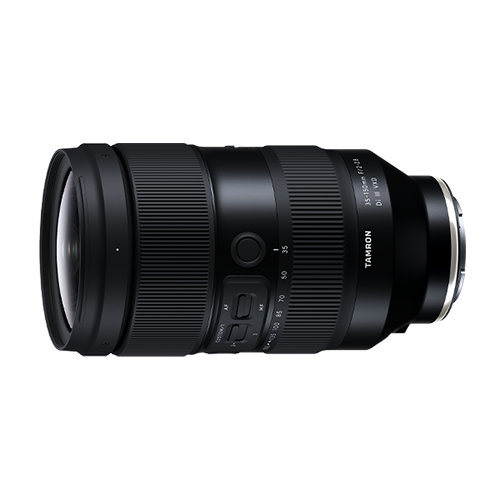
35-150mm F/2-2.8 Di III VXD (Model A058)
The 35-150mm F/2-2.8 Di III VXD combines wide-angle and telephoto perspectives with a bright maximum aperture. Its range makes it suitable for landscapes, portraits, and detailed blossom photographs.
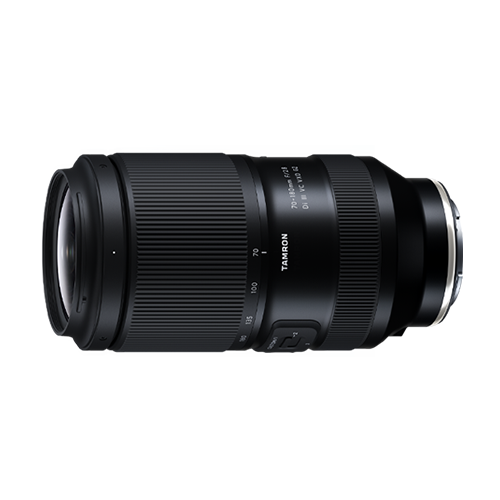
70-180mm F/2.8 Di III VC VXD G2 (Model A065)
The 70-180mm F/2.8 Di III VC VXD G2 is a fast-aperture telephoto zoom designed for full-frame mirrorless cameras. It is well suited to portraits, isolated blossoms, and compressed landscape compositions.
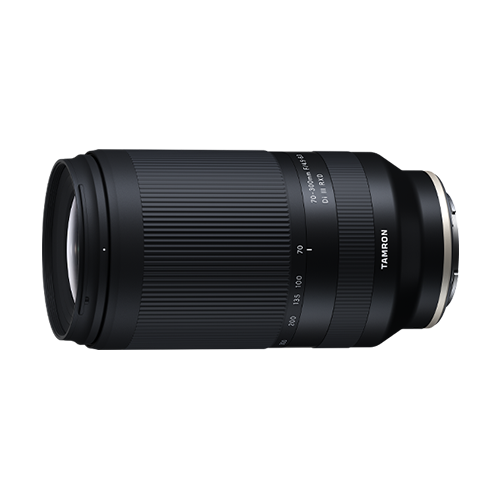
70-300mm F/4.5-6.3 Di III RXD (Model A047)
The 70-300mm F/4.5-6.3 Di III RXD offers a long telephoto range while maintaining a relatively compact design. The extended reach is useful when you want to photograph blossoms from a distance or isolate details within a larger scene.
All-in-One Zoom Lenses
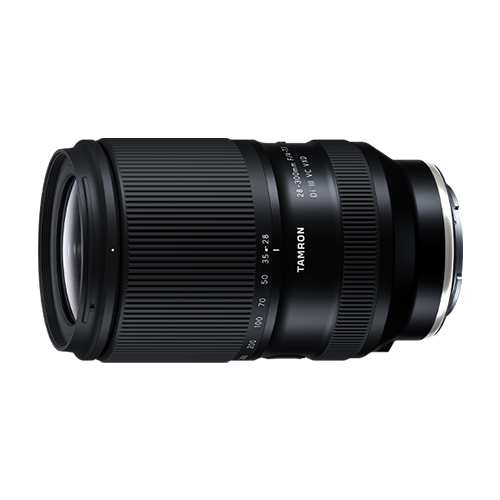
28-300mm F/4-7.1 Di III VC VXD (Model A074)
The 28-300mm F/4-7.1 Di III VC VXD is an all-in-one zoom lens that covers wide-angle through long telephoto perspectives. This makes it a practical option when you want to travel light while photographing a variety of cherry blossom scenes.
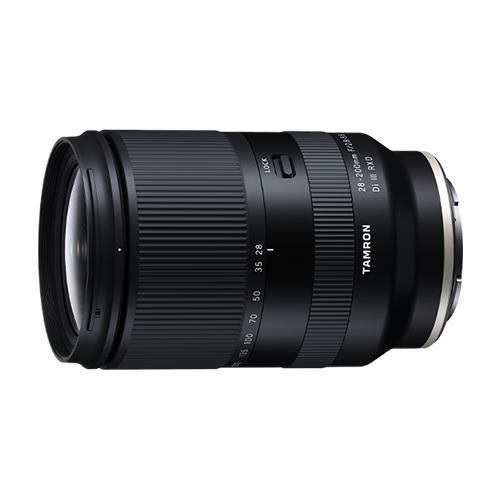
28-200mm F/2.8-5.6 Di III RXD (Model A071)
The 28-200mm F/2.8-5.6 Di III RXD combines a wide-to-telephoto zoom range with a bright F2.8 maximum aperture at the wide end. It provides flexibility for landscapes, portraits, and more distant blossom details without requiring frequent lens changes.
Final Tips for Better Cherry Blossom Photos
Cherry blossoms provide countless opportunities to experiment with photography. Instead of photographing every scene in the same way, try changing your focal length, position, composition, and camera settings.
Use a wide-angle lens to show the environment, a telephoto lens to compress layers of blossoms, and a standard zoom when you want flexibility.
Pay attention to the direction and quality of light, keep distracting backgrounds under control, and look for moments beyond peak bloom—including falling petals and reflections.
Most importantly, take the time to explore your surroundings. By combining thoughtful composition with the right lens and camera settings, you can create cherry blossom photographs that capture not only the beauty of the flowers but also the atmosphere of spring.
TAMRON products mentioned in this article