Cinematic Video Focus Techniques: Creating a Cinematic Look with Precise Focus Work
Creating a cinematic look is about more than composition, lighting, and camera movement. Video focus techniques can play an equally important role in directing the viewer’s attention, creating depth, and making transitions between subjects feel natural.
In this second part of our short-film series, we take a closer look at practical cinematic video techniques used during an actual production. In particular, we explore how precise focus control can be used to create smooth focus transitions, enhance close-up shots, and take advantage of a lens’s bokeh.
We also look at how the right camera lens for video can contribute to the visual character of a production. For this project, cinematographer Takayuki Yagishita used the TAMRON 90mm F/2.8 Di III MACRO VXD (Model F072) together with TAMRON Lens Utility Mobile™ Ver.4.0 to achieve precise and repeatable focus control.
In Part 1, we introduced the composition and direction behind the short film. Here, we focus on the technical side of the production, including practical focus techniques for video, focus transitions, close-up shooting, and the use of TAMRON Lens Utility Mobile.
Preparing for a Cinematic Video Shoot
Before filming, the cinematographer tested the lens and TAMRON Lens Utility Mobile to understand how they would perform together.
When preparing for a production, understanding a lens’s characteristics can help with shot design. Factors such as rendering, bokeh, close-focusing performance, focus movement, and focus breathing can all influence how a scene is filmed.
For this production, the team tested the TAMRON 90mm F/2.8 Di III MACRO VXD before shooting to understand its characteristics and determine how it could best be used for the planned scenes.
Precise Focus Control for Cinematic Video
The opening title sequence presented a particular challenge. The title was written on an acrylic plate, which created potential reflections when illuminated.
The production team controlled the reflections while also using the TAMRON 90mm F/2.8 MACRO to capture the shot. TAMRON Lens Utility Mobile was used to control the focus.
For this type of close-up work, manually turning the focus ring can introduce subtle camera movement. Precise digital focus control made it possible to shift focus smoothly without disturbing the camera.
This is a good example of how video focus techniques can influence not only technical accuracy but also the overall feel of a shot.
Creating a Natural Cinematic Look with Light and Focus
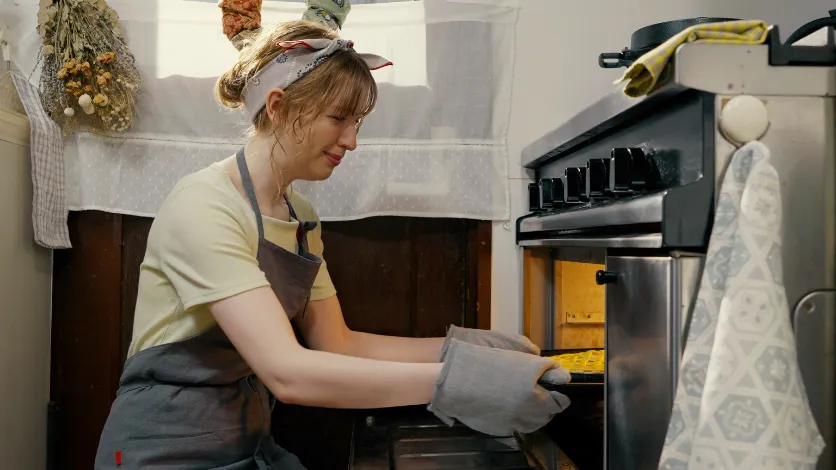
The opening scenes demonstrate another important aspect of cinematic production: creating an image that feels natural even when lighting and focus have been carefully controlled.
The light coming through the blinds appears natural, but the cinematographer explains that lighting was intentionally introduced and adjusted to create subtle movement.
A completely static composition can sometimes feel more like a photograph. Introducing controlled movement in the lighting can help give the scene a more organic quality.
This combination of lighting, composition, and focus techniques for video helps establish the visual atmosphere before the main action begins.
Focus Techniques for Video Close-Ups
The apple-cutting scene is one of the clearest examples of the production’s approach to close-up focus work.
Rather than simply recording the action, the team used focus to direct attention to specific details. A fine mist was added to the apple to enhance its texture and create a stronger sense of realism.
The lighting was also positioned to emphasize the surface and three-dimensional quality of the apple.
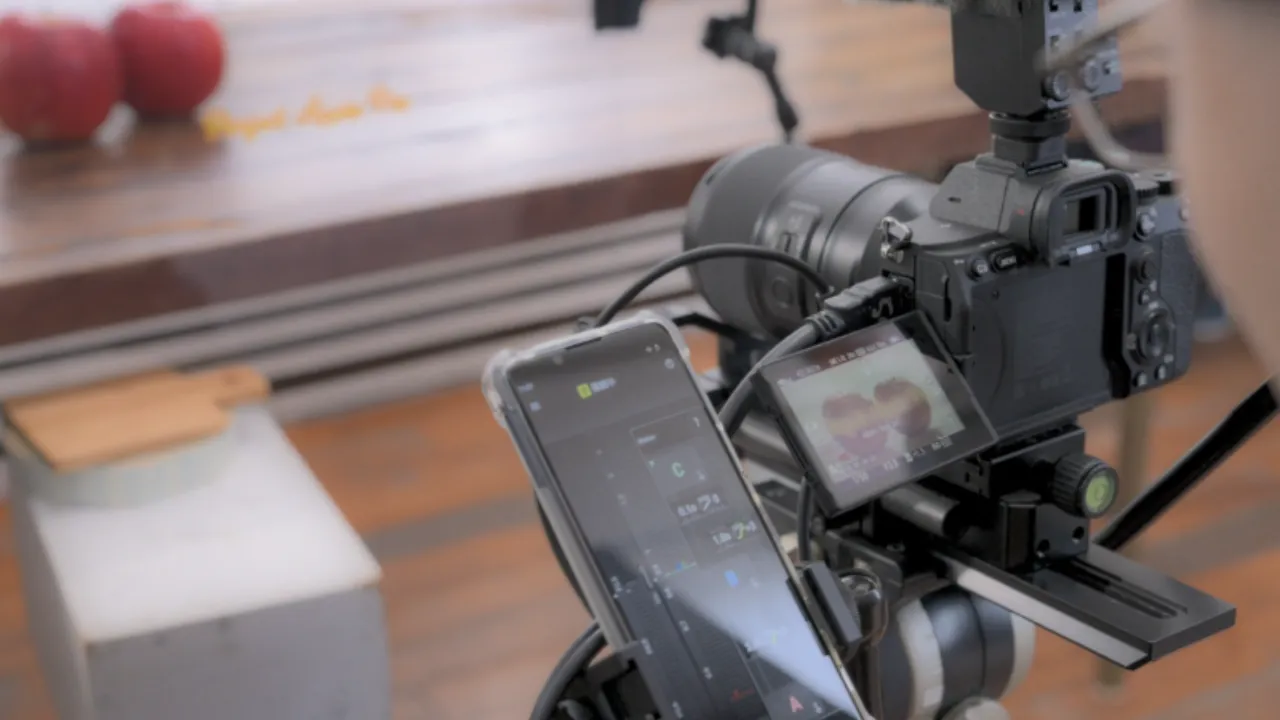
For the focus transition, one focus point was established on the surface of the apple and another on the newly exposed cut surface.
Using Digital Follow Focus for Precise Video Focus
Although the lens is a macro lens, manually moving the focus ring through a very shallow focus range requires extremely precise movement.
This is where Digital Follow Focus (DFF) becomes particularly useful.
By specifying the focus range through TAMRON Lens Utility Mobile, the cinematographer can control the focus movement from the smartphone screen rather than physically turning the lens ring.
This makes it easier to repeat a focus movement and achieve the intended timing.
Creating Smooth Focus Transitions in Video
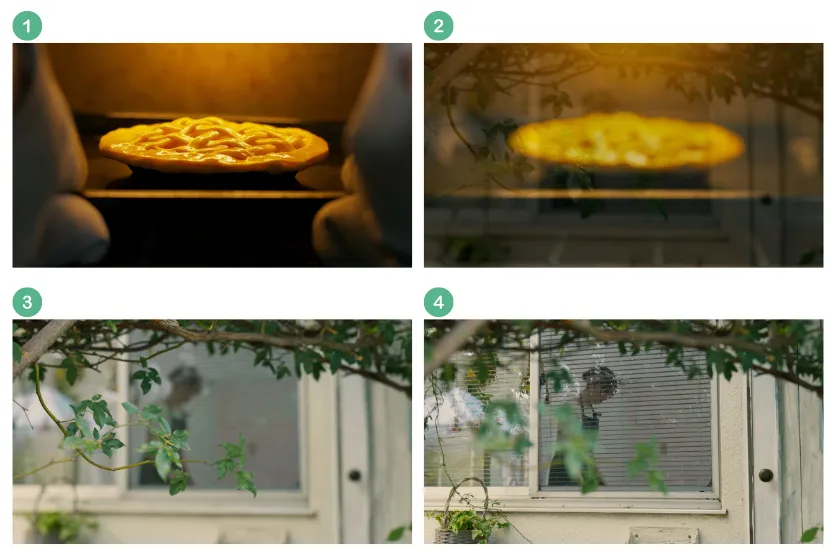
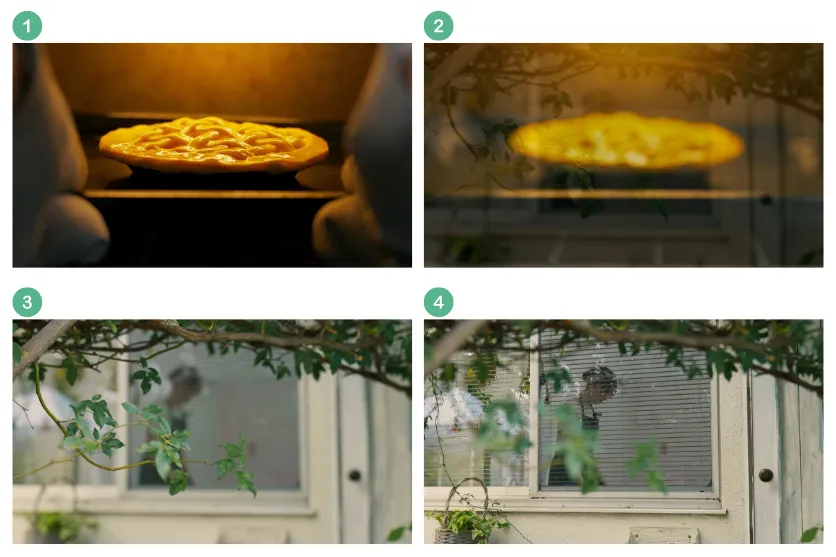
One of the strengths of controlled focus is the ability to guide the viewer’s attention without making the transition feel obvious.
The focus can move gradually from one subject to another, helping connect different elements within a scene.
The production uses this technique repeatedly to maintain a shallow depth of field while directing attention toward the important part of the frame.
Creating Smooth Focus Transitions in Video
One of the strengths of controlled focus is the ability to guide the viewer’s attention without making the transition feel obvious.
The focus can move gradually from one subject to another, helping connect different elements within a scene.
The production uses this technique repeatedly to maintain a shallow depth of field while directing attention toward the important part of the frame.
Using Bokeh and Focus to Guide the Viewer
Bokeh is not simply an aesthetic effect. In video production, controlled blur can be used to determine where the viewer looks.
By allowing some elements of the frame to remain out of focus, the cinematographer can emphasize the primary subject without having to rely on camera movement or editing.
This is one of the most effective cinematic video techniques demonstrated throughout the production.
Building Anticipation with Focus Techniques
As the film progresses, the editing becomes faster.
The production maintains a relatively shallow depth of field even as the tempo increases. This allows the viewer’s attention to remain on specific elements such as the spatula or brush rather than the entire frame.
This approach combines focus techniques for video with editing rhythm. The result is a stronger sense of movement and anticipation as the food approaches completion.
Combining Camera Movement and Focus Control
The final sequence presents another technical challenge.
The camera moves horizontally while the focus needs to follow the movement of the subject. Synchronizing these two movements manually can be difficult because even a small timing difference can make the shot appear unnatural.
TAMRON Lens Utility Mobile allows the focus movement to be controlled separately, helping the cinematographer concentrate on timing and camera movement.
This is a strong example of how video focus techniques can be combined with camera movement to create a smooth cinematic shot.
Choosing a Camera Lens for Video
The lens itself plays an important role in determining the visual character of a production.
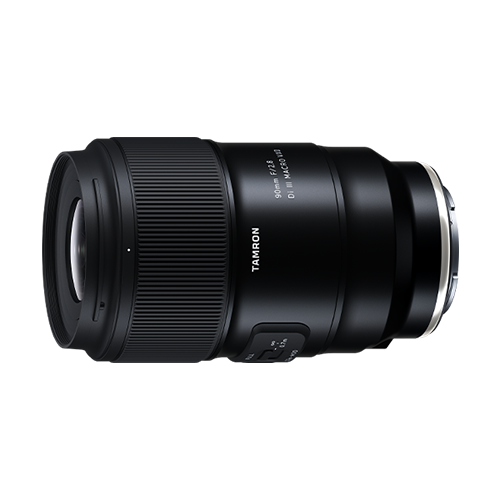
For this project, the TAMRON 90mm F/2.8 Di III MACRO VXD was used extensively for close-up scenes.
Its macro capability allowed the cinematographer to work close to small subjects, while its rendering helped create the soft background separation needed for the production.
A Soft and Natural Rendering
According to cinematographer Takayuki Yagishita, the lens offered a delicate and soft rendering rather than an overly harsh or clinical appearance.
This characteristic made it suitable not only for macro shots but also for scenes requiring a more natural visual transition between different lenses.
When choosing a camera lens for video, factors such as rendering, bokeh, close-focusing performance, and focus control can be just as important as resolution.
What Makes a Cinematic Lens for Video?
A cinematic lens for video is not defined by one characteristic alone.
The overall rendering, bokeh, focus behavior, close-focusing capability, and ability to produce consistent images all contribute to the final look.
For close-up productions, macro capability can also provide additional creative flexibility.
The TAMRON 90mm F/2.8 Di III MACRO VXD combines these characteristics with the ability to work closely with subjects, making it useful for detailed shots where precise focus and background separation are important.
When combined with TAMRON Lens Utility Mobile, the lens can also be used for controlled and repeatable focus movements.
Creating a Cinematic Look with Macro Detail
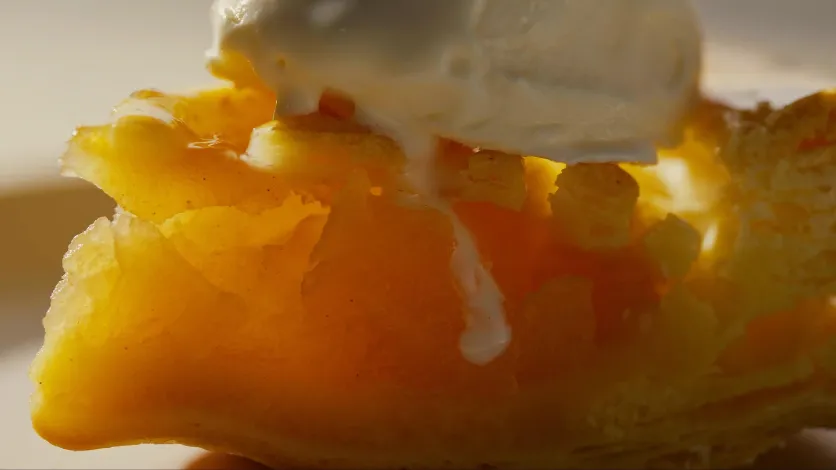
The final food shot demonstrates why close-up performance and rendering matter when choosing a lens.
The combination of controlled lighting, shallow depth of field, and precise focus creates a strong sense of texture and depth.
The macro lens allows the production to move close to the subject while maintaining a visually pleasing background.
Bringing Cinematic Video Techniques Together
This production demonstrates that creating a cinematic image is not dependent on one technique.
Lighting, composition, camera movement, lens characteristics, bokeh, and video focus techniques can all work together to create a more engaging visual experience.
Precise focus control is particularly useful when the viewer’s attention needs to move naturally from one subject to another.
Depending on the scene, techniques such as Digital Follow Focus, AB Focus, Focus Stopper, and controlled focus transitions can make focus movements more consistent and repeatable.
At the same time, choosing the right camera lens for video remains an important creative decision. Rendering, bokeh, close-focusing capability, and overall lens character can influence how the final footage looks and feels.
The key is not simply to use as many tools as possible, but to choose the appropriate focus techniques for video for each scene.
By combining the right lens with deliberate focus control, filmmakers can create smooth transitions, natural-looking focus movements, and cinematic images that guide the viewer’s attention.
TAMRON products mentioned in this article