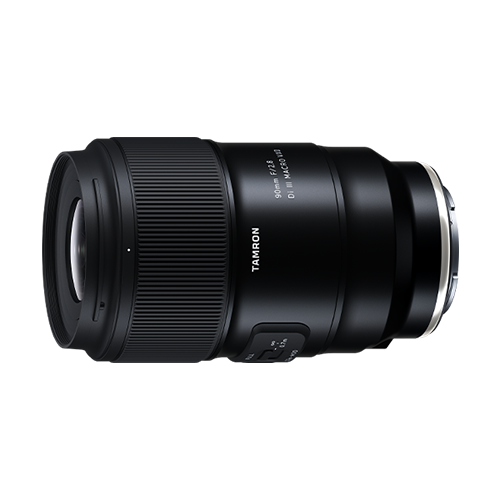

What Is Close-Up Photography? Tips and Macro Techniques
The world around us is filled with small details that are easy to overlook. The texture of a flower petal, the intricate pattern of an insect’s wings, the craftsmanship of a piece of jewelry, or the delicate surface of an everyday object can all become fascinating photographic subjects when viewed up close.
Close-up photography allows you to capture these small subjects at a much larger scale, revealing details that may not be noticeable to the naked eye. With the right technique, you can transform ordinary subjects into striking photographs full of texture, color, and detail.
In this guide, we’ll explain what close-up photography is, how it differs from macro photography, and share practical close-up photography tips covering focus, exposure, lighting, composition, and lens selection.
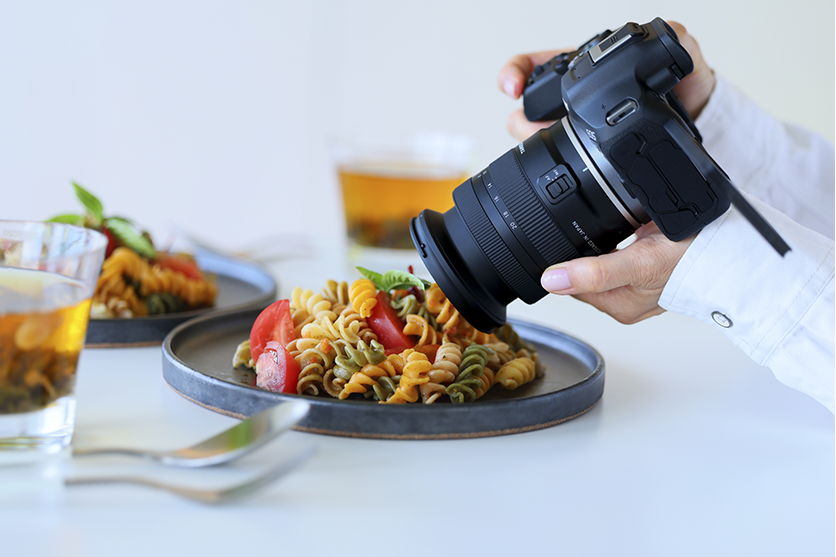
What Is Close-Up Photography?
Close-up photography is the practice of photographing a subject from a relatively short distance so that it occupies a larger portion of the frame.
Flowers, insects, food, accessories, products, plants, and small objects are all popular subjects for close-up photography.
The closer you get to a subject, the more details you can reveal. At the same time, working at short distances introduces challenges, particularly with depth of field and focusing.
Close-Up Photography vs. Macro Photography
Close-up photography and macro photography are often used interchangeably, but there is a technical difference.
Macro photography generally refers to photography in which the subject is reproduced at approximately life size or larger on the camera sensor. A 1:1 magnification ratio means that a 1 cm subject is reproduced as 1 cm on the camera sensor.
Close-up photography is a broader term. A lens does not necessarily need to achieve 1:1 magnification to produce an effective close-up photograph.
This means you can create compelling close-up images with many different types of lenses, provided they offer useful close-focusing capabilities.
When choosing a lens for close-up work, two specifications are particularly important:
- Maximum magnification
- Minimum object distance
Understanding both will help you determine how close you can get and how large your subject can appear in the frame.
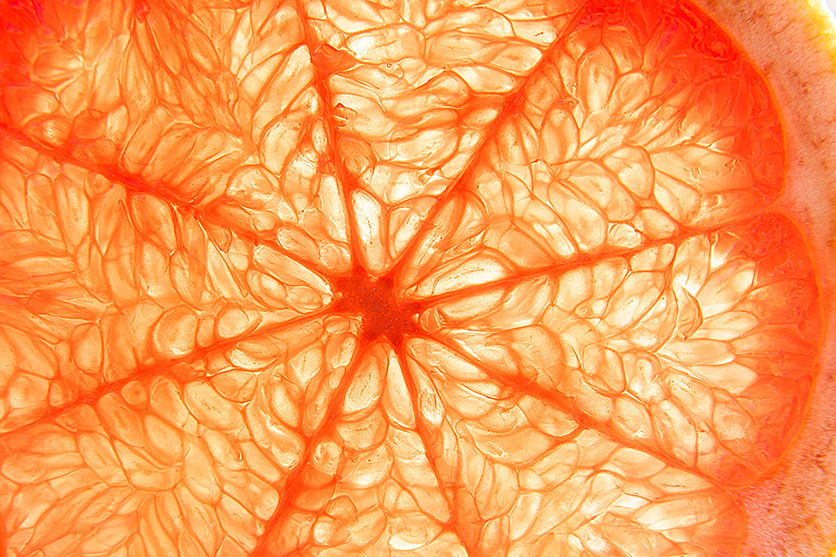
What Makes Close-Up Photography Challenging?
Photographing a subject from a short distance changes the way your camera and lens behave.
One of the biggest challenges is the extremely shallow depth of field that can occur when focusing close to a subject.
At a wide aperture, only a small portion of the subject may be sharp. This can be useful when you want to isolate a particular detail, but it can also make it difficult to keep an entire subject in focus.
Movement is another challenge. Even a small amount of camera shake or subject movement can become noticeable when photographing tiny details at high magnification.
For these reasons, successful close-up photography requires careful control of focus, exposure, lighting, and camera stability.
Close-Up Photography Subjects
Almost anything small can become an interesting subject when photographed from a different perspective.
Flowers and Plants
Flowers and plants are among the most popular subjects for close-up photography because they contain intricate patterns, textures, and colors.
Instead of photographing the entire flower, try focusing on a specific detail such as the petals, stamens, veins, or surface texture.
Soft natural light can reveal delicate details without creating harsh shadows.
Side lighting can emphasize texture, while backlighting can make translucent petals and leaves appear to glow.
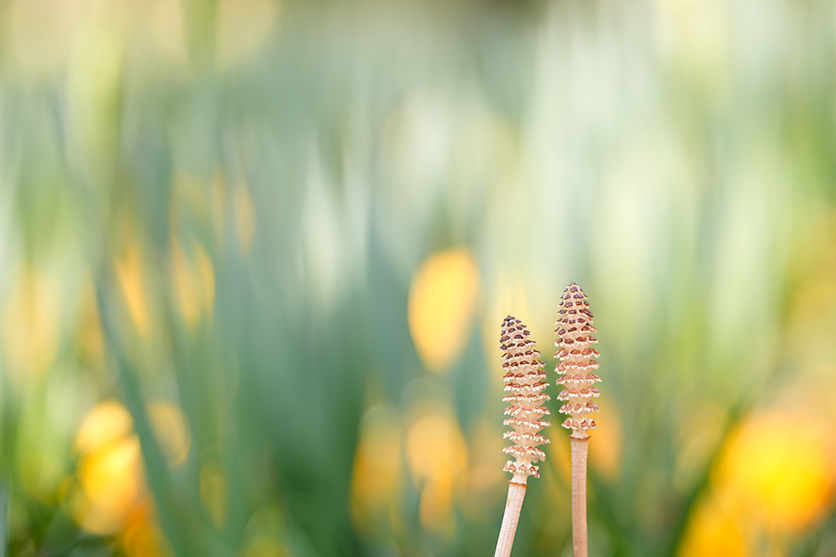
You can also use a wide aperture to create soft foreground or background blur, helping the main subject stand out against its surroundings.
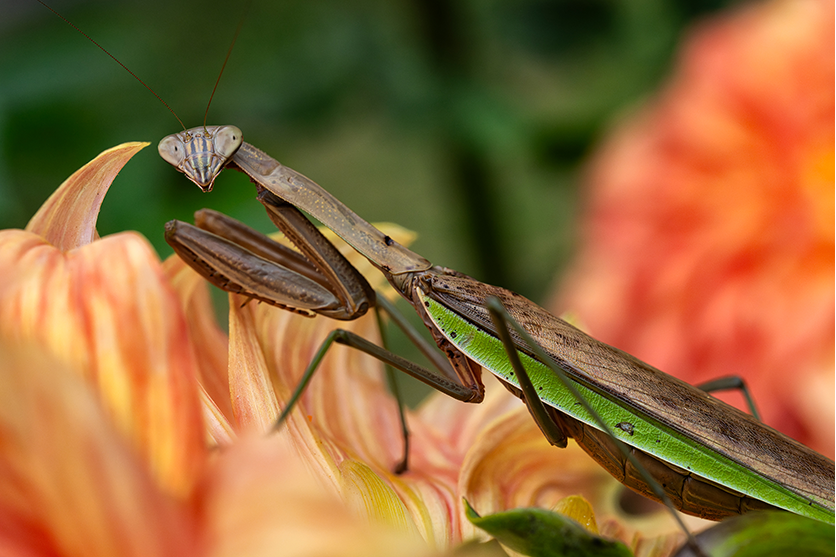
Insects
Insects provide countless opportunities for macro photography.
The compound eyes of an insect, the texture of its wings, or the patterns on its body can become dramatically different when photographed up close.
However, insects can be difficult subjects because they may move or fly away when approached.
Patience is therefore essential.
Observe the insect before taking photographs and try to anticipate where it will move. A medium telephoto or telephoto lens with strong close-focusing capability can also allow you to maintain more distance from the subject.
Including flowers, leaves, or other parts of the insect’s environment in the background can make the photograph more visually informative.
Small Objects and Accessories
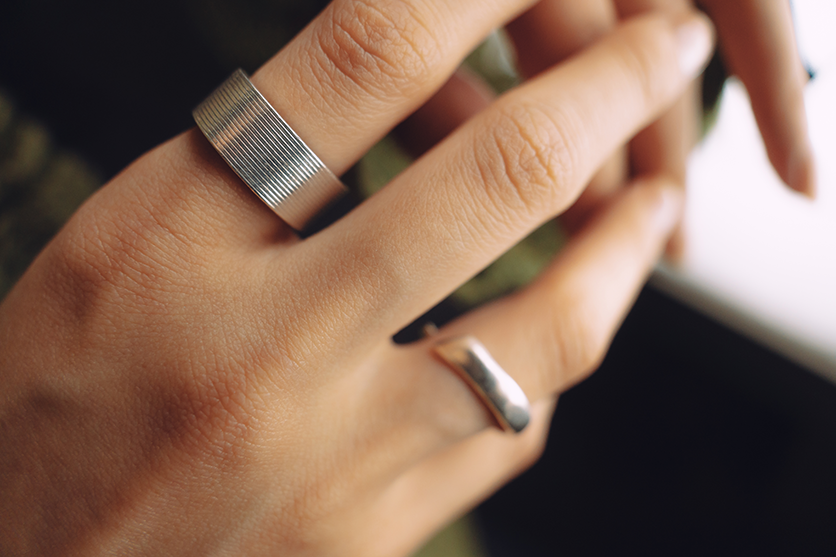
Small objects such as jewelry, watches, crafts, and decorative accessories can also make excellent close-up subjects.
Close-up photography allows you to emphasize details that might otherwise go unnoticed, including surface texture, material, craftsmanship, and small design elements.
Try using side lighting to create shadows and reveal the object’s three-dimensional form.
A blurred background can further separate the subject and give the photograph a cleaner, more polished appearance.
Understanding Magnification and Minimum Object Distance
Two lens specifications are especially important when choosing equipment for close-up photography: maximum magnification and minimum object distance.
What Is Maximum Magnification?
Maximum magnification describes how large a subject can appear on the camera sensor when the lens is focused at its closest focusing distance.
For example, a 1:1 magnification ratio means that a 1 cm subject is reproduced at 1 cm on the sensor.
A lens capable of 1:1 magnification is generally considered a true macro lens.
A 1:2 ratio means the subject is reproduced at half its actual size on the sensor.
The higher the maximum magnification, the larger small subjects can appear in your photographs.
What Is Minimum Object Distance?
Minimum object distance refers to the closest distance at which a lens can focus on a subject.
A shorter minimum object distance allows you to get closer to your subject.
However, keep in mind that manufacturers may measure minimum focusing distance from different reference points depending on the lens specifications. Check the manufacturer’s specifications when comparing lenses.
A lens with strong close-focusing capability can be useful even if you do not primarily shoot macro photography. It gives you additional flexibility when you want to photograph small details.

Do You Need a Macro Lens for Close-Up Photography?
No.
A dedicated macro lens is an excellent choice when you want high magnification and precise close-up performance, but it is not the only way to photograph small subjects.
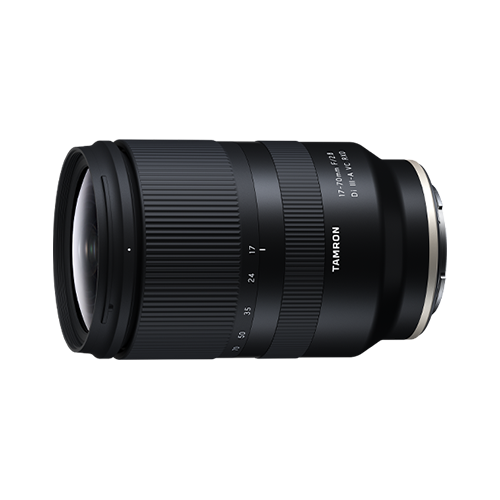
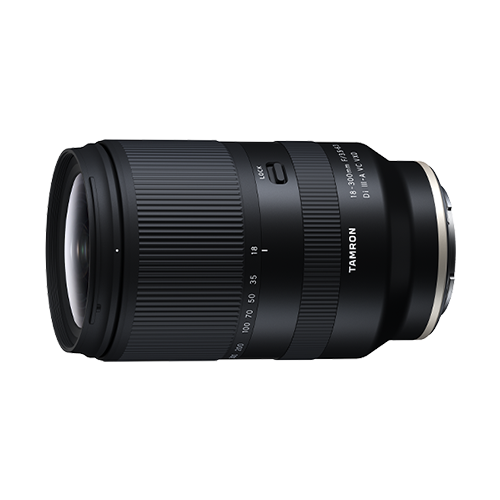
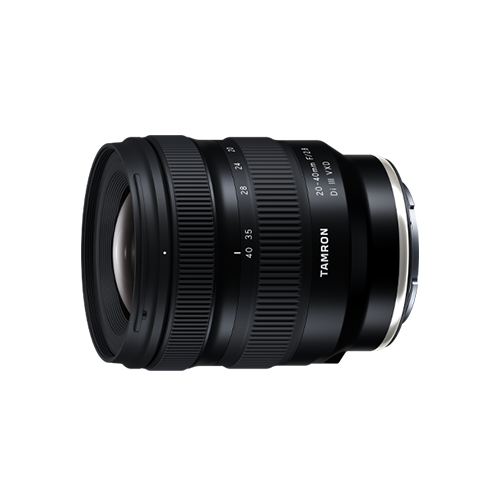
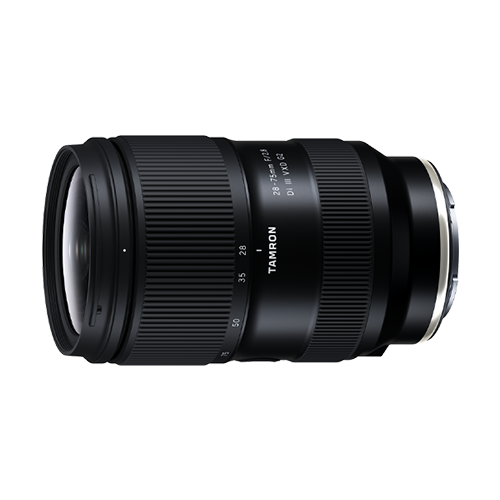
Many standard zoom, telephoto, and all-in-one lenses offer useful close-focusing capabilities.
For example, a versatile zoom lens can allow you to photograph a small subject without changing lenses, while a telephoto lens can let you maintain greater distance from subjects such as insects.
When choosing a lens, don’t look only at whether it has the word “macro” in its name. Instead, check its maximum magnification, minimum object distance, focal length, and maximum aperture.
Essential Close-Up Photography Tips
Once you understand the basics, you can improve your close-up images by paying attention to several key areas.
1. Focus Carefully
Focus is one of the most important elements of close-up photography.
At short focusing distances, depth of field can become extremely shallow. Even a small change in the camera’s position can move the sharp area away from your intended point of focus.
Before taking the photograph, decide exactly what detail you want the viewer to notice.
For an insect, this might be the eyes. For a flower, it might be the center or the texture of a petal.
Autofocus can be useful, but if the camera consistently focuses on the wrong part of the subject, consider switching to manual focus.
Focus peaking or magnified live view can also help when your camera supports these functions.
2. Choose the Right Aperture
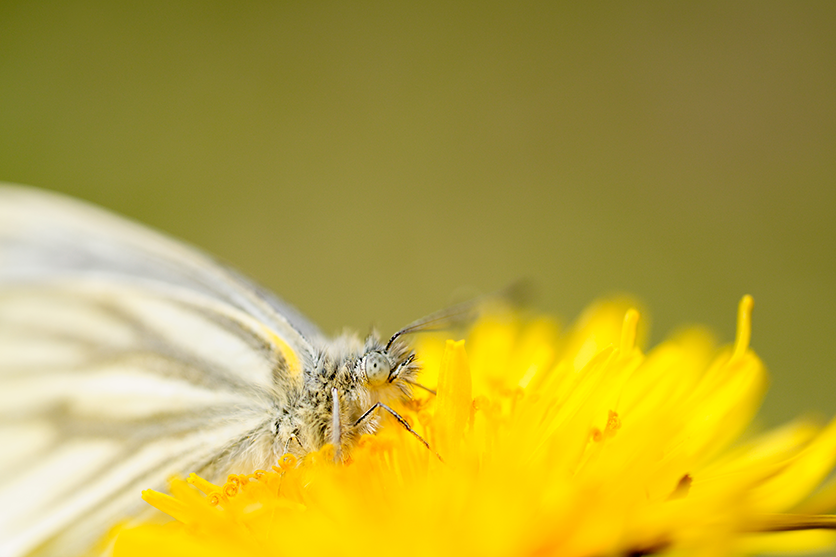
Aperture has a major effect on the appearance of close-up photographs.
A wide aperture such as F2.8 creates a shallow depth of field. This can produce attractive background blur and make a particular part of the subject stand out.
However, it can also leave too little of the subject in focus.
Stopping down to F8 or F11 increases depth of field, allowing more of the subject to appear sharp.
There is no single “correct” aperture for close-up photography.
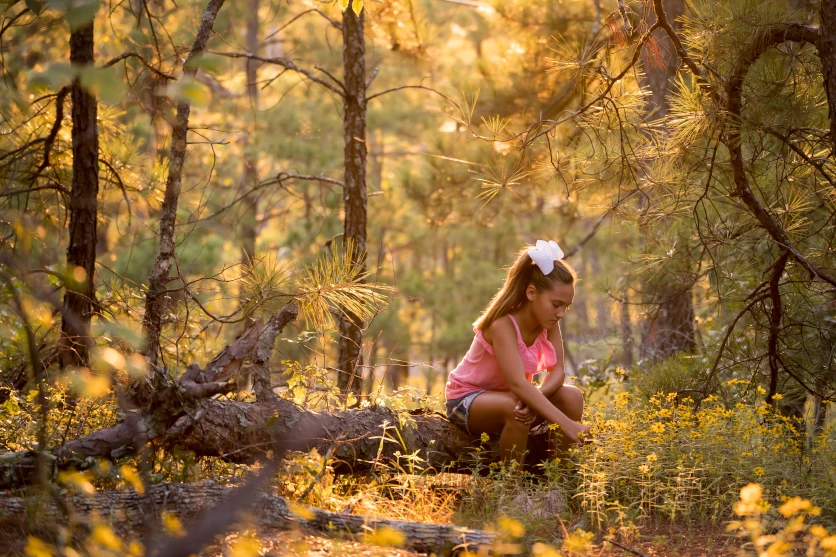
Use a wide aperture when you want strong subject isolation and a softer background. Use a narrower aperture when capturing intricate details across a larger portion of the subject is more important.
3. Use an Appropriate Shutter Speed
Camera shake can become more noticeable when shooting close-up.
For handheld photography, a shutter speed of around 1/125 second or faster can be a useful starting point, although the appropriate speed depends on your focal length, stabilization, subject movement, and shooting technique.
If your subject is moving, you may need a significantly faster shutter speed.
When using a tripod and photographing a stationary subject, you can use slower shutter speeds to maintain image quality while keeping ISO lower.
4. Control ISO
Whenever possible, use a lower ISO to maintain clean, detailed images.
In bright outdoor conditions, ISO 100–400 can be a good starting range.
However, don’t be afraid to increase ISO when necessary. A sharp photograph with some noise is usually more useful than a blurred photograph caused by an unnecessarily slow shutter speed.
Close-up photography often involves working in changing light, so prioritize the combination of shutter speed, aperture, and ISO that produces the result you need.
5. Use Exposure Compensation When Necessary
Backlighting can cause your subject to appear too dark because the camera may expose for the brighter background.
If your subject is underexposed, positive exposure compensation can help brighten it.
Conversely, bright or reflective subjects may require negative exposure compensation to prevent important highlights from becoming overexposed.
Always check the image and histogram when possible rather than relying entirely on the camera’s suggested exposure.
Use Light to Reveal Details
Lighting can completely change the appearance of a close-up photograph.
Side Lighting
Side lighting creates shadows across the subject and can emphasize texture.
This works particularly well for objects with detailed surfaces, insects, plants, and handcrafted items.
Try changing the angle of the light to control how strong the shadows appear.
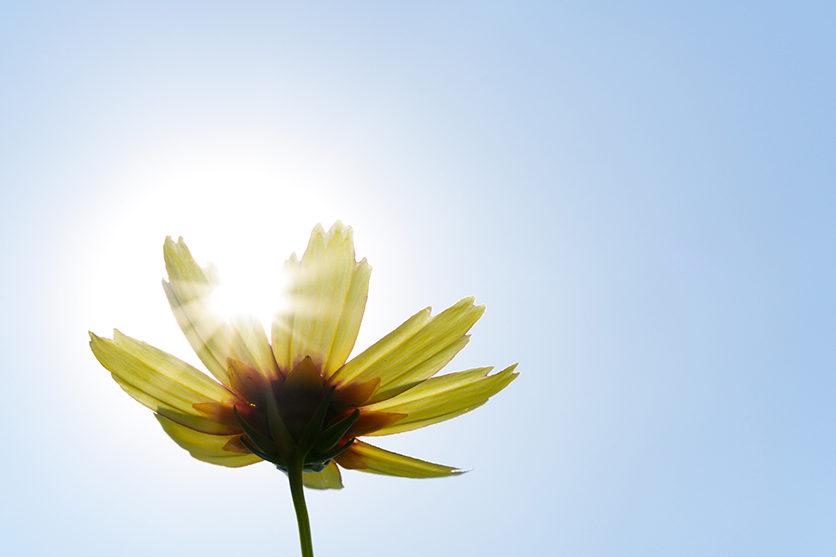
Backlighting
Backlighting places the light source behind the subject.
It can emphasize edges, transparency, and fine details. Flowers and leaves are particularly effective subjects because sunlight can pass through parts of their structure.
Backlighting can also create a beautiful separation between the subject and background.
Soft Light
Soft light produces gentler shadows and can be useful when photographing subjects with delicate textures.
Overcast conditions are often excellent for outdoor close-up photography because clouds naturally diffuse sunlight.
You can also use a diffuser or other light-modifying equipment when working indoors or in direct sunlight.
Use Flash and Artificial Light
Natural light isn’t always available or predictable.
An LED light or flash can provide additional control over illumination, particularly when photographing small objects indoors.
Artificial light can help reveal textures and colors while also acting as fill light in backlit situations.
For very close subjects, specialized macro lighting can provide more even illumination.
A ring flash or similar setup can reduce harsh shadows around the subject, although the ideal lighting depends on the look you want to achieve.
Use a Tripod for Stability
A tripod can be extremely useful when photographing stationary subjects at high magnification.
Because depth of field is so shallow, even small movements can affect focus.
A tripod helps keep the camera in a consistent position and allows you to carefully compose the image.
It is particularly useful for flowers, products, food, tabletop photography, and other subjects that remain stationary.
However, a tripod isn’t always practical outdoors, especially when photographing insects or moving subjects.
In situations where you need more mobility, a monopod can provide some additional stability while allowing you to reposition the camera more quickly.
Improve Your Close-Up Composition
Getting closer to your subject is only part of close-up photography. Composition remains important.
Center Composition
Placing the subject in the center of the frame can work well when photographing symmetrical patterns or subjects with strong central details.
Flowers, insects, and geometric objects can benefit from this approach.
Diagonal Composition
A diagonal composition can create movement and energy.
Try positioning stems, leaves, objects, or other lines diagonally through the frame instead of keeping everything horizontal or vertical.

Rule of Thirds
The rule of thirds can help create balance while leaving space around the subject.
This can be particularly useful when the subject has an obvious direction of movement or when you want to include environmental details.
Don’t treat these as strict rules. Use them as starting points and experiment with different compositions.
Pay Attention to the Background
The background is just as important as the subject.
Because close-up photography often produces a narrow field of view, even a small part of the background can have a significant effect on the image.
Look for distracting objects, bright spots, or colors that compete with the subject.
You can also use the background creatively.
A contrasting background can make the subject’s color stand out, while a similar color palette can create a softer and more harmonious photograph.
Using a wide aperture can turn background details into smooth bokeh, helping the subject become the visual focus.
Choose the Right Lens for Close-Up Photography
There is no single best lens for every type of close-up photography.
The right choice depends on your subject, shooting distance, desired composition, and camera system.
Minimum Object Distance
A short minimum object distance allows you to focus closer to the subject.
This can provide more flexibility when composing close-up photographs.
Maximum Magnification
Higher maximum magnification allows small subjects to appear larger in the frame.
If you want to photograph extremely small details, look for lenses with high magnification ratios.
A 1:1 macro lens is particularly useful when you need life-size reproduction.
Wide Maximum Aperture
A wide aperture allows more light to reach the sensor and can create a shallow depth of field.
It is useful when you want to isolate a subject against a soft background.
Keep in mind that a very wide aperture can also make focusing more demanding because less of the subject will remain within the depth of field.
Focal Length
Focal length affects both your field of view and your working distance.
A wide-angle lens can show a small subject together with its environment.
A standard lens provides a natural perspective for everyday close-up photography.
A telephoto lens can allow you to photograph a subject from farther away while still filling the frame.
This can be particularly useful for insects and other subjects that are easily disturbed.
Autofocus Performance
Autofocus performance is another important consideration.
When photographing insects or other moving subjects, responsive autofocus and reliable tracking can make it easier to maintain focus.
For stationary subjects, manual focus may give you more precise control.
Size and Weight
Close-up photography can involve long periods of handheld shooting and frequent changes in position.
A lightweight lens can make outdoor shooting more comfortable, while a compact lens can be easier to maneuver in tight spaces.
Consider portability alongside optical performance when choosing equipment.
Close-Up Photography Ideas to Try
Once you understand the basic techniques, look around for subjects that you normally overlook.
Try photographing:
- Flower petals and leaves
- Insects and their eyes
- Water droplets
- Jewelry and watches
- Food textures
- Fabrics
- Handcrafted objects
- Everyday household objects
- Interesting textures and patterns
- Reflections and surfaces
You don’t need an exotic subject to create an interesting close-up photograph. Sometimes changing your perspective is enough to reveal something completely new.
Discover the Small World Around You
Close-up photography gives you a different way to see familiar subjects.
By moving closer and paying attention to focus, light, composition, and background, you can transform small details into compelling photographs.
A dedicated macro lens can provide excellent magnification and close-focusing performance, but many other lenses can also produce effective close-up images.
The most important thing is to understand your equipment and experiment with different techniques.
Try changing the aperture, moving the camera, adjusting the light, and changing the distance between your subject and background.
With practice, even an ordinary flower, insect, or everyday object can become an extraordinary photograph.
Final Thoughts
Close-up photography is an opportunity to discover details that are easy to miss in everyday life.
Whether you’re photographing flowers, insects, accessories, food, or ordinary objects, the combination of magnification, focus, aperture, lighting, and composition can completely change how a subject appears.
Start by experimenting with the subjects around you. Try moving closer, changing your angle, adjusting the aperture, and looking for interesting light.
You don’t always need a dedicated macro lens to get started. Understanding your lens’s close-focusing capabilities and learning how to control depth of field can already open up a new world of photographic possibilities.
The more you experiment, the more you’ll discover just how much detail is hiding in the small world around you.
TAMRON products mentioned in this article