
Dynamic Range in Photography: 5 Essential Things to Know
Dynamic range in photography refers to the range of brightness a camera can capture, from the darkest shadows to the brightest highlights. A camera with a wider dynamic range can preserve more detail across both areas, especially when photographing high-contrast scenes.
Understanding dynamic range can help you make better exposure decisions, avoid losing important details, and get more flexibility when editing your photos. In this guide, we’ll explain what dynamic range is, how sensor size and ISO affect it, and how you can use RAW, HDR, and exposure techniques to capture challenging scenes.
What Is Dynamic Range in Photography?
Dynamic range is the difference between the darkest and brightest details that a camera can record in a single image.
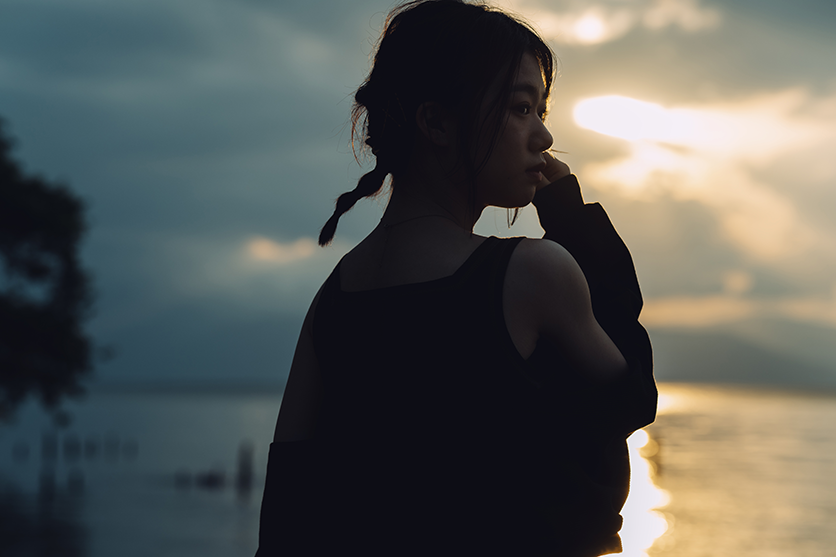
For example, imagine photographing a person standing in front of a bright window. The window may be extremely bright while the person’s face is relatively dark. If the scene exceeds your camera’s dynamic range, you may lose detail in either the highlights, shadows, or both.
A camera with a wider dynamic range can capture more information between these extremes. This allows you to retain detail in bright areas while also preserving information in darker parts of the image.
Dynamic range is usually expressed in stops. Each stop represents a doubling or halving of the amount of light. A camera capable of capturing more stops of dynamic range can record a greater range between its darkest and brightest usable tones.
How Does Camera Dynamic Range Work?
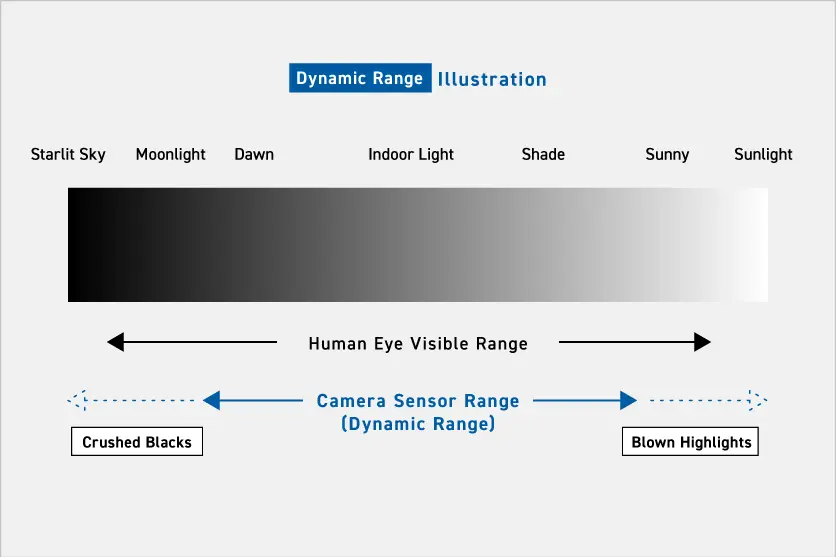
A camera’s sensor receives light and converts it into image information. The amount of light recorded determines how bright or dark different parts of the image appear.
When the sensor receives too much light, the brightest areas can become completely white. This is known as highlight clipping, and the original detail in those areas cannot be recovered.
When there is too little light, dark areas can lose detail or become dominated by noise. This is commonly referred to as shadow clipping or crushed shadows.
The goal is to capture as much useful information as possible between these two extremes.
This is particularly important in scenes with strong differences between light and dark, such as landscapes with bright skies, backlit subjects, interiors with windows, and scenes photographed under direct sunlight.
How Does Sensor Size Affect Dynamic Range?
Sensor size can influence a camera’s ability to capture dynamic range.
Larger sensors generally have more area available to collect light. Depending on the camera’s sensor design and pixel characteristics, this can help produce cleaner shadow information and preserve more detail across a wider range of brightness.
However, sensor size is not the only factor that determines dynamic range. Sensor technology, pixel design, image processing, and ISO settings also play important roles.
This means that two cameras with different sensor sizes can have different dynamic-range performance. When choosing a camera, it is better to consider the overall sensor performance rather than relying on sensor size alone.
Dynamic Range vs. Tonal Range
Dynamic range and tonal range are related, but they describe different aspects of an image.
Dynamic range refers to the range of brightness that a camera or sensor can capture, from shadows to highlights.
Tonal range describes the different shades and levels of brightness represented within the resulting image.
A camera with a wide dynamic range can capture a broad range of brightness information. This information can then be represented as a rich tonal range in the final photograph.
Having more tonal information can be especially useful when editing RAW files because it gives you greater flexibility to adjust shadows, highlights, contrast, and exposure.
What Happens When a Photo Exceeds Dynamic Range?
When the brightness range of a scene is greater than what your camera can capture, some image information may be lost.
This is most noticeable in the brightest highlights and darkest shadows.
Highlight Clipping
Highlight clipping occurs when an area of the photograph becomes so bright that the camera can no longer record differences in tone.
For example, a bright sky may appear as a completely white area with little or no visible cloud detail.
Once an area is clipped, reducing the exposure during editing usually cannot restore the missing information.
Shadow Clipping
Shadow clipping occurs when dark areas contain so little recorded information that they appear completely black.
Deep shadows can sometimes be recovered when shooting RAW, but pushing very dark areas too far during editing can reveal excessive noise, color shifts, or other artifacts.
For this reason, it is important to pay attention to both highlights and shadows when determining exposure.
How Does ISO Affect Dynamic Range?
ISO sensitivity affects how the camera records and processes light information.
At lower ISO settings, cameras generally have more room to capture a broad range of tones between the highlights and shadows. Increasing ISO can reduce the amount of highlight headroom available, although the exact behavior varies between cameras and sensors.
Higher ISO settings can also make noise more noticeable in shadow areas, particularly when those shadows are brightened significantly during post-processing.
When conditions allow, using an appropriate lower ISO can help maximize the camera’s available dynamic range. However, ISO should always be chosen based on the lighting conditions, subject movement, and desired shutter speed and aperture.
How to Use Dynamic Range When Shooting RAW
Shooting RAW can be especially useful when working with scenes that contain a wide range of brightness.
Unlike a processed JPEG, a RAW file retains a larger amount of the image data recorded by the camera. This gives you more flexibility when adjusting exposure, highlights, shadows, and other settings during post-processing.
For example, if a landscape has a bright sky and dark foreground, a properly exposed RAW file may allow you to recover some highlight and shadow detail during editing.
However, RAW cannot recover information that the sensor never recorded. If highlights are completely clipped or shadows contain no usable information, post-processing cannot fully restore the missing detail.
The best results therefore come from combining good exposure technique with the flexibility of RAW processing.
What Is HDR Photography?
High Dynamic Range (HDR) photography is a technique used to capture scenes with a brightness range that may exceed what a camera can record in a single exposure.
One common approach is to take multiple photographs at different exposures. These images are then combined using HDR processing to create a final photograph containing a wider range of tones.
For example, a photographer might take one image exposed for the highlights, another for the midtones, and another for the shadows.
HDR can be particularly useful for:
- Landscapes with bright skies and dark foregrounds
- Interiors with bright windows
- Architecture
- Sunset and sunrise scenes
- Other high-contrast environments
Modern cameras and smartphones may also include computational HDR features that automatically combine multiple exposures.
How to Handle High-Contrast Scenes
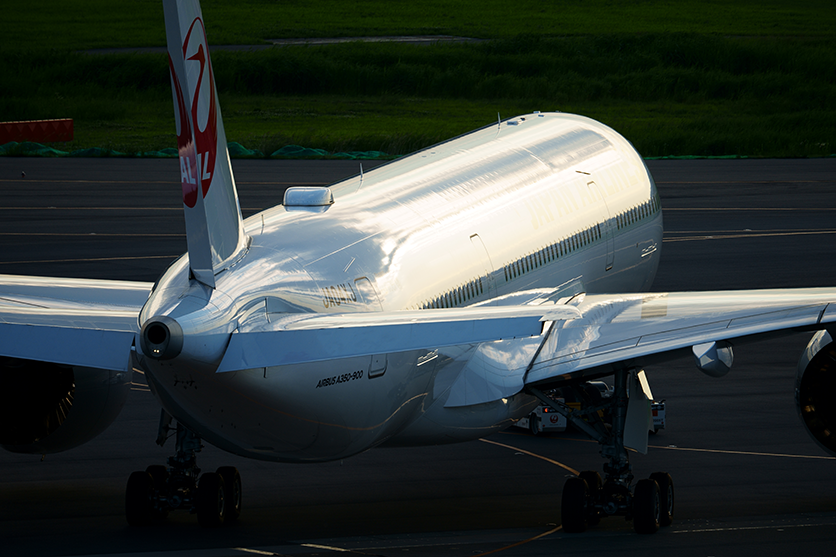
When photographing a scene with extreme differences between light and dark, there are several ways to manage the available dynamic range.
Watch Your Highlights
Pay close attention to bright areas of the frame. If important highlights are clipped, some detail may be permanently lost.
Use Exposure Compensation
When shooting in an automatic or semi-automatic exposure mode, exposure compensation can help you make the image brighter or darker while maintaining control over the camera’s exposure settings.
Shoot RAW
RAW files provide more flexibility during post-processing, making them useful when you expect to adjust shadows or highlights later.
Use Bracketing
Exposure bracketing allows you to capture multiple images at different exposure settings. These images can later be combined into an HDR photograph when appropriate.
Change Your Composition
Sometimes the simplest solution is to change your position or composition. Moving the camera can reduce the difference between the brightest and darkest parts of a scene.
5 Practical Tips for Using Dynamic Range in Photography
Understanding dynamic range is useful, but knowing how to apply it while shooting is even more important.
1. Check the highlights first.
Bright areas that are completely clipped may be impossible to recover. Keep an eye on your camera’s histogram or highlight warning when available.
2. Shoot RAW when you need editing flexibility.
RAW files give you more control over shadows and highlights during post-processing.
3. Choose your ISO carefully.
Use an appropriate ISO for the lighting conditions while considering how much dynamic range you need.
4. Use exposure bracketing for extreme scenes.
When a single exposure cannot capture the full brightness range, multiple exposures can be combined into an HDR image.
5. Look for better light.
Changing the time of day, your shooting position, or the direction of the light can sometimes reduce the contrast in a scene and make it easier to capture.
Conclusion
Dynamic range in photography determines how much detail a camera can capture between the darkest shadows and brightest highlights. Understanding this concept can help you make better exposure decisions and recognize when a scene may exceed your camera’s capabilities.
Sensor performance, ISO, exposure settings, and shooting format all influence how much usable information you can retain. By monitoring highlights and shadows, shooting RAW when appropriate, and using techniques such as exposure bracketing and HDR, you can handle challenging lighting conditions more effectively.
The next time you encounter a scene with both very bright and very dark areas, think about its dynamic range before pressing the shutter. A small adjustment in exposure or composition can make a significant difference in the final photograph.
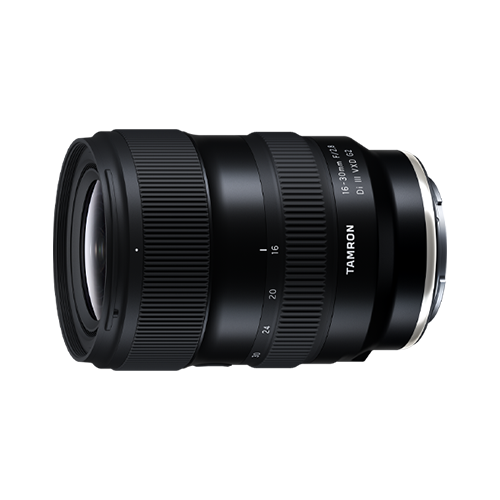
TAMRON products mentioned in this article