
Half Macro Photography: 1:2 Macro vs 1:1
Macro photography lets you explore details that are often overlooked in everyday life—from the delicate texture of flower petals to the intricate patterns of insects and the fine details of small objects. But not all macro lenses offer the same level of magnification.
One of the most useful options for photographers is a half macro lens, which typically offers a maximum magnification of 1:2. Compared with a 1:1 macro lens, a half macro lens captures the subject at approximately half its actual size on the camera sensor. This provides a different approach to close-up photography, allowing you to show both fine details and more of the surrounding environment.
So, what exactly is half macro photography, and how does it differ from 1:1 macro? Let’s explore the differences and learn how to get the most from a half macro lens.
What Is a Macro Lens?
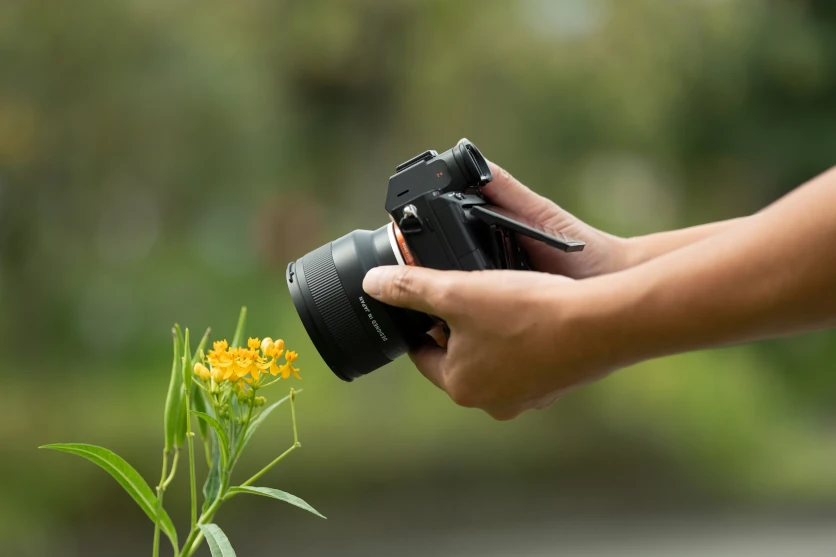
A macro lens is designed to photograph relatively small subjects in detail. Two important specifications to understand when choosing a macro lens are maximum magnification and minimum object distance (MOD).
Maximum magnification describes the relationship between the actual size of a subject and the size of its image on the camera sensor. A lens capable of 1:1 magnification can reproduce a subject at approximately its actual size on the sensor.
Minimum object distance refers to how close you can get to your subject while maintaining focus. A shorter minimum object distance can allow you to create more dramatic close-up compositions.
Macro lenses commonly include magnifications from 1:2 to 1:1. A lens with 1:1 magnification is generally described as an equal magnification macro, while a lens with 1:2 magnification is often called a half macro.
Both approaches can produce detailed close-up images, but they create different photographic possibilities.
1:1 Macro vs. 1:2 Half Macro: What’s the Difference?
The main difference is maximum magnification.
A 1:1 macro lens can reproduce a subject at approximately its actual size on the sensor. This makes it possible to emphasize extremely small details, such as the texture of a flower, an insect’s eyes, or tiny surface patterns.
A 1:2 half macro lens produces a smaller image of the subject on the sensor—approximately half its actual size. While this means it does not provide the same level of magnification as 1:1 macro, it can make it easier to include more of the subject’s surroundings in the composition.
| Feature | 1:1 Macro | 1:2 Half Macro |
|---|---|---|
| Maximum magnification | 1:1 | 1:2 |
| Subject detail | Very high | High |
| Environmental context | More limited at close distances | Easier to include |
| Depth of field | Can be very shallow | Still requires careful focusing |
| Composition | Strong emphasis on fine details | Detail with more surrounding context |
| Learning curve | Can require more precise focusing | Accessible approach to close-up photography |
Neither magnification is inherently better for every situation. Your choice depends on how you want to photograph your subject.
If your priority is capturing extremely fine details, 1:1 macro can provide greater magnification. If you want to combine close-up detail with the surrounding environment, a half macro lens can offer a more balanced approach.
Why Use a Half Macro Lens?
One of the main advantages of half macro photography is its ability to combine close-up detail with environmental context.
When photographing a flower, for example, you don’t necessarily need to fill the entire frame with the petals. You can include nearby flowers, leaves, or other elements to communicate where the subject exists.
The same approach works well for insects. Rather than focusing only on an insect’s smallest features, you can show the flower or plant where it is resting. This can turn a simple close-up into an image that tells more of a story.
For photographers who are beginning to explore macro photography, this approach can also provide a practical way to learn close-up focusing and composition without always working at the highest possible magnification.
Half Macro Photography Ideas
A half macro lens can be used for much more than traditional macro subjects. Here are several situations where its characteristics can be useful.
Flowers and Plants
Flowers and plants are natural subjects for half macro photography.
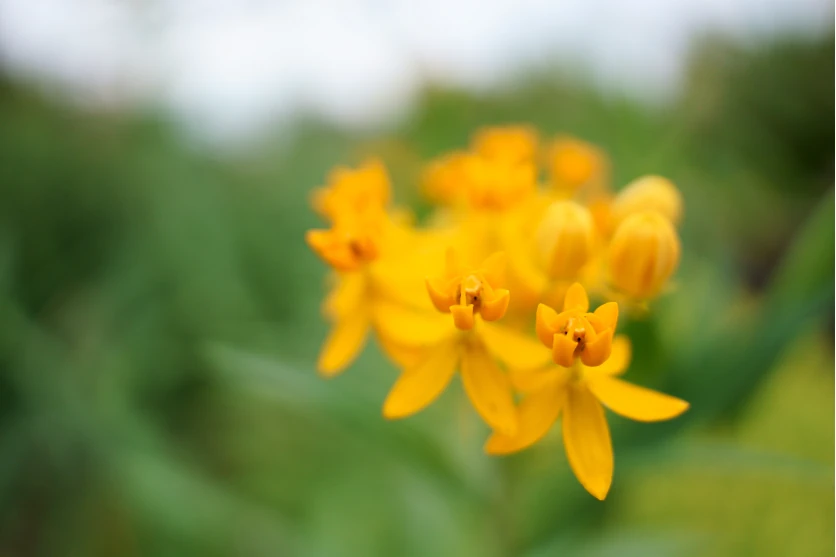
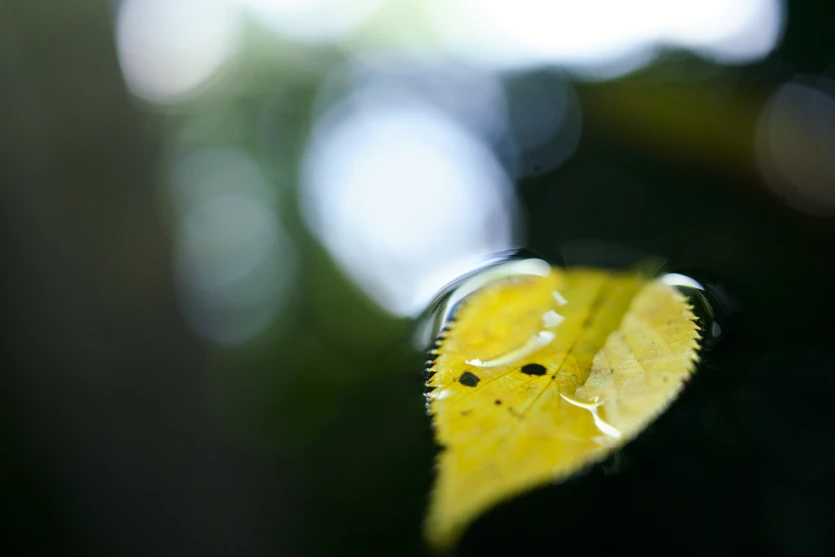
Focus on details such as petals, leaves, veins, or water droplets while allowing some of the surrounding environment to remain visible. This can help establish a sense of place while still emphasizing the subject’s texture and color.
A wider field of view can also make it easier to include additional flowers in the background, creating layers within the image.
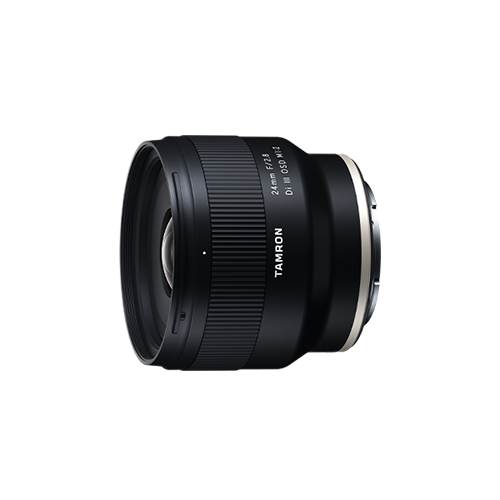
The TAMRON 24mm F/2.8 Di III OSD M1:2 (Model F051), for example, provides 1:2 close-up capability and a minimum object distance of 0.12m, making it suitable for close-up compositions while retaining a relatively wide perspective.
Insects
Half macro photography can also be useful for insects.
A half macro lens may allow you to maintain a little more distance from your subject than a lens designed around extremely close 1:1 shooting. This can help you photograph insects while retaining elements of their environment.
Look for moments when butterflies land on flowers, dragonflies rest on plants, or other insects move across leaves. Including these environmental elements can make the photograph more engaging than an isolated close-up.
Small Objects
Everyday objects can become interesting subjects when photographed up close.
Jewelry, accessories, ceramics, leather goods, tools, and other small objects can reveal textures and patterns that are easy to miss with the naked eye.
Try experimenting with different angles and lighting directions. Side lighting can emphasize texture, while softer front lighting can preserve the object’s overall color and appearance.

Tabletop and Food Photography
Half macro lenses can also be useful for tabletop photography.
For food, close-up compositions can emphasize details such as surface texture, shine, and moisture. A shallow depth of field can separate the main subject from tableware or background decorations.
Rather than photographing the entire table, move closer and use the lens to emphasize a specific part of the scene.
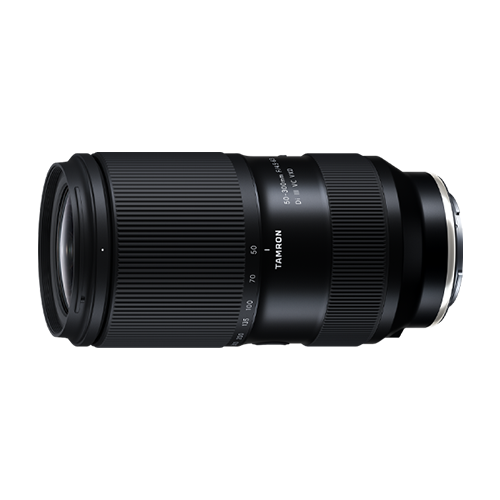
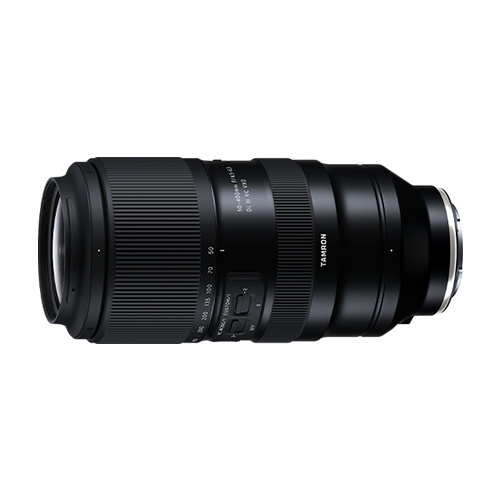
The original TAMRON example uses the 50-300mm F/4.5-6.3 Di III VC VXD (Model A069) at 50mm for tabletop photography, demonstrating how a versatile zoom lens can also be used for close-up-oriented compositions.

Street Photography
Half macro capabilities can also expand the possibilities of everyday photography.
Street scenes contain countless small details—textures on walls, objects on storefronts, plants growing through cracks, signs, accessories, and other visual elements.
Instead of photographing an entire scene, try getting closer to a particular detail. The resulting image can provide a different perspective on familiar surroundings.

How to Use a Half Macro Lens
Getting sharp and visually effective half macro photographs requires more than simply moving closer to your subject.
Here are several techniques that can help.
1. Focus Carefully
Precise focusing is especially important in close-up photography because depth of field can become very shallow.
Before taking the photograph, identify the part of the subject that is most important. With a flower, this could be a water droplet or the texture of a petal. With an insect, it might be the eyes or another distinctive feature.
Autofocus can work well in many situations, but small subjects and complex backgrounds can sometimes make focusing more difficult. Manual focus can give you additional control when you need to place focus precisely.
Aperture Priority mode can also be useful because it lets you control the aperture and therefore influence the amount of background blur while the camera adjusts exposure.
2. Keep the Composition Simple
Close-up photographs can quickly become visually cluttered.
Look carefully at everything around your subject before pressing the shutter. Distracting leaves, bright objects, strong lines, or unrelated colors can compete with the main subject.
A simple background can make small subjects stand out more clearly.
You can also experiment with shooting from a low or diagonal angle. Changing your viewpoint can add depth and create a stronger relationship between the subject and background.
3. Use the Background as Part of the Image
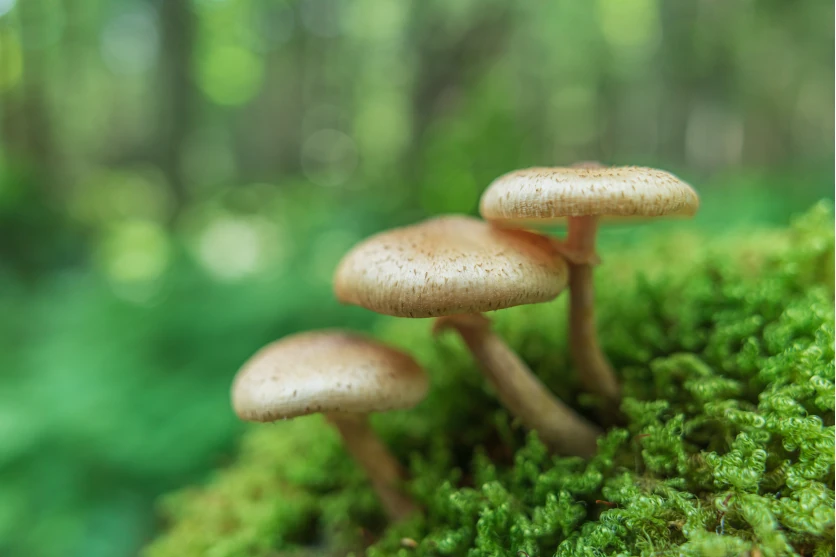
A blurred background doesn’t have to be empty.
Instead, use it to add color, atmosphere, or context.
When photographing flowers, for example, nearby flowers with similar colors can create a more cohesive background. When photographing insects, branches, leaves, or flowers can help communicate the insect’s natural environment.
This is one of the key strengths of half macro photography: you can capture detail without completely eliminating the surroundings.
4. Minimize Camera Shake
Small movements can become especially noticeable in close-up photography.
For handheld shooting, using a sufficiently fast shutter speed can help reduce the effects of camera shake. The original TAMRON guide suggests starting around 1/125 to 1/200 second or faster, depending on the shooting conditions and subject. A tripod can provide additional stability, particularly in low-light situations or when you are working with extremely fine details.
5. Pay Attention to Light
Lighting can dramatically change the appearance of a close-up subject.
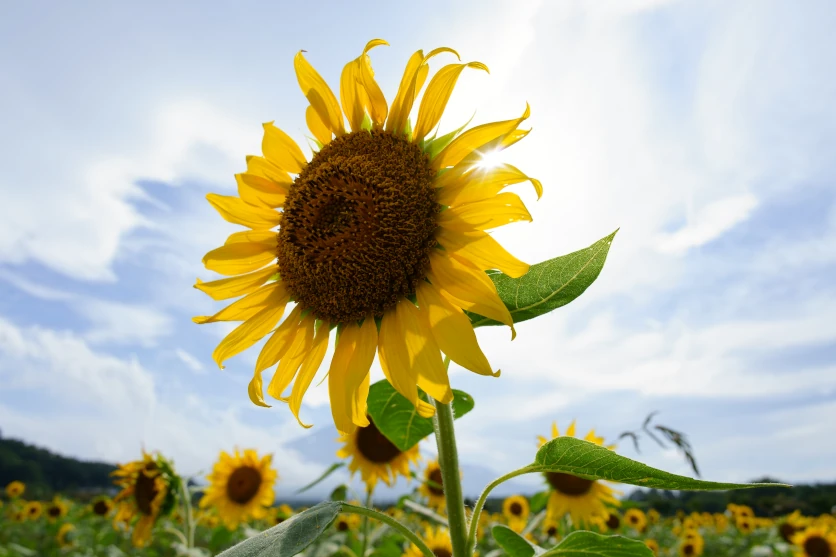
Side lighting can emphasize contours and texture, creating a stronger sense of depth. Backlighting can highlight edges and translucent subjects such as flower petals.
Front lighting can produce more even illumination and preserve colors and textures, although it may create a flatter appearance.
Try changing your shooting position rather than relying only on camera settings. Moving around the subject can change both the direction of light and the relationship between the subject and background.
You Can Use a Half Macro Lens Beyond Macro Photography
One of the benefits of some half macro lenses is that they can also function effectively as everyday prime lenses.
For example, a 35mm half macro lens can be used for portraits, snapshots, landscapes, and other everyday subjects in addition to close-up photography.
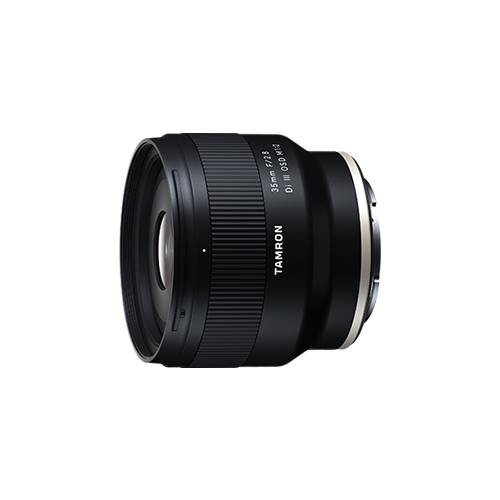
The TAMRON 35mm F/2.8 Di III OSD M1:2 (Model F053) combines a 35mm focal length, F/2.8 maximum aperture, and 1:2 close-up capability. Its specifications make it useful not only for close-up subjects but also for everyday photography where a natural perspective and shallow depth of field are desirable.
This versatility can be useful if you don’t want a lens that is limited to one specific type of photography.

What to Look for When Choosing a Half Macro Lens
If you’re considering a half macro lens, maximum magnification is only one specification to examine.
Maximum Magnification
First, consider how much magnification you actually need.
A 1:1 macro lens is better suited to situations where maximum detail and magnification are the priority. A 1:2 lens can be a better fit when you want to combine close-up detail with more of the surrounding scene.
Minimum Object Distance
Check the lens’s minimum object distance to understand how close you can get to your subject while maintaining focus.
A shorter minimum object distance can provide greater flexibility when composing close-up photographs.
Focal Length
Focal length affects both your field of view and the way your subject relates to the background.
Wider focal lengths can include more of the environment, while longer focal lengths can provide tighter framing and stronger background separation.
Choose a focal length based on the type of subjects and compositions you expect to photograph.
Maximum Aperture
A wider maximum aperture, such as F/2.8, can be useful in lower-light situations and can also help create stronger background blur.
However, remember that depth of field can become very shallow when shooting close to your subject. Depending on the scene, stopping down the aperture can help keep more of the subject in focus.
Size and Weight
If you plan to carry the lens during travel, street photography, or everyday shooting, size and weight can be important considerations.
A compact lens can make spontaneous close-up photography easier because you’re more likely to have it with you when an interesting subject appears.
Autofocus Performance
Autofocus performance can be important when photographing moving subjects such as insects.
Look for a lens that can focus smoothly and accurately for the type of subjects you regularly photograph. Quiet autofocus can also be useful when photographing subjects that may be easily disturbed.
Image Stabilization
Image stabilization can be helpful when shooting handheld, particularly in situations where you need to use slower shutter speeds.
However, stabilization does not replace good technique. Pay attention to your shutter speed, shooting position, and subject movement to achieve consistently sharp images.
Half Macro vs. 1:1 Macro: Which Should You Choose?
The choice ultimately comes down to the type of photographs you want to create.
Choose a 1:1 macro lens when you want to emphasize extremely fine details and photograph small subjects at high magnification.
Consider a 1:2 half macro lens when you want to capture close-up details while retaining more of the surrounding environment. This can be especially effective for flowers, insects, tabletop subjects, street details, and everyday objects.
Half macro photography is not simply about getting closer to a subject. It is about finding a balance between detail and context.
By carefully controlling focus, composition, background, lighting, and camera stability, you can create close-up photographs that show not only what your subject looks like, but also something about the environment around it.
Explore More with Half Macro Photography
Half macro lenses open up a different way of seeing everyday subjects. Flowers, insects, food, objects, and even ordinary street details can become compelling photographic subjects when viewed from a closer perspective.
Whether you’re just beginning to explore macro photography or looking for a versatile lens that can handle both close-ups and everyday shooting, understanding the difference between 1:1 and 1:2 magnification can help you choose the right approach.
Start by looking closely at the subjects around you. You may find that there’s an entire world of detail waiting to be photographed.
TAMRON products mentioned in this article