
Holy Trinity of Lenses: Do You Really Need One?
For photographers looking to expand their camera setup, the term “holy trinity of lenses” comes up frequently. But what exactly does it mean, and do you really need three lenses to take great photos?
The holy trinity of lenses, also called trinity lenses, generally refers to three fast-aperture zoom lenses: an ultra wide-angle or wide-angle zoom, a standard zoom, and a telephoto zoom. Traditionally, these lenses feature a constant maximum aperture of F2.8, giving photographers a versatile combination that covers a broad range of focal lengths while maintaining a fast aperture.
A trinity setup can be useful for everything from landscapes and travel photography to portraits, events and sports. However, owning all three lenses is not a requirement for taking great photographs. The right lens setup depends on what you photograph, how you shoot, and how much weight you are comfortable carrying.
So, what makes trinity lenses appealing, and when does this type of setup make sense?
What Is the Holy Trinity of Lenses?
The holy trinity of lenses is a three-lens setup consisting of:
- An ultra wide-angle or wide-angle zoom lens
- A standard zoom lens
- A telephoto zoom lens
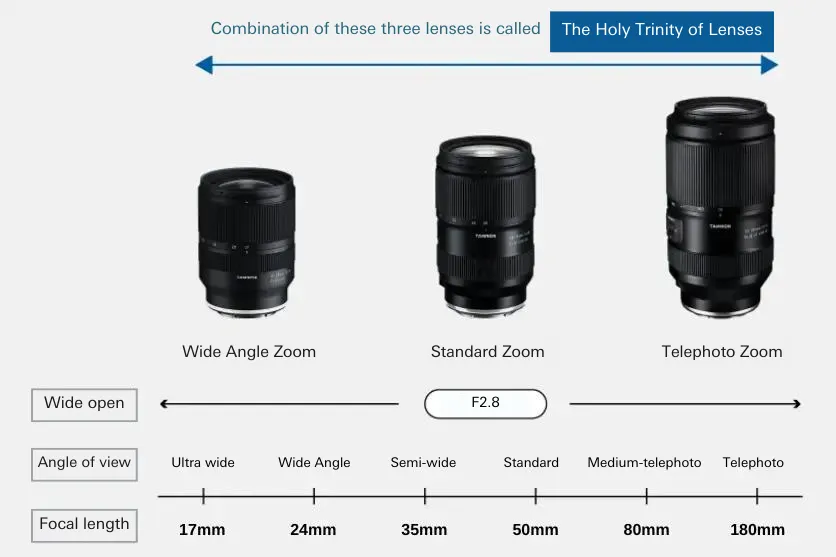
The traditional trinity uses lenses with a constant F2.8 maximum aperture. This means the lens can maintain an F2.8 aperture throughout its zoom range.
For example, a photographer may use a wide-angle zoom for expansive landscapes, a standard zoom for everyday subjects and portraits, and a telephoto zoom when additional reach is needed.
The advantage is flexibility. Instead of relying on a single focal length, photographers can switch between different perspectives depending on the subject and shooting environment.
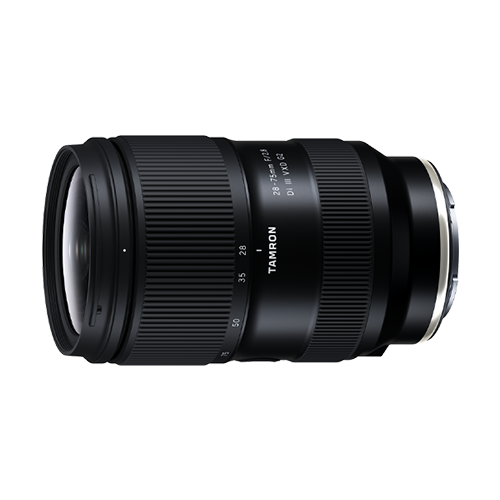
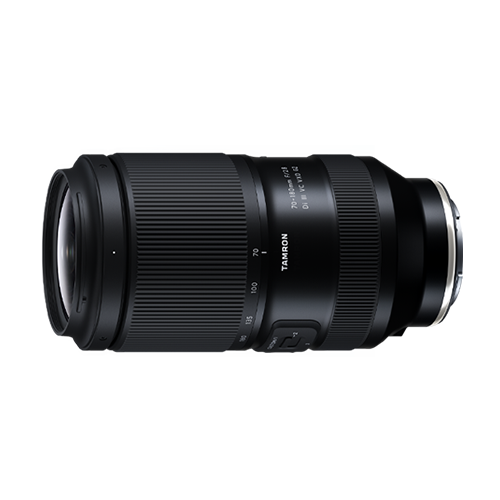
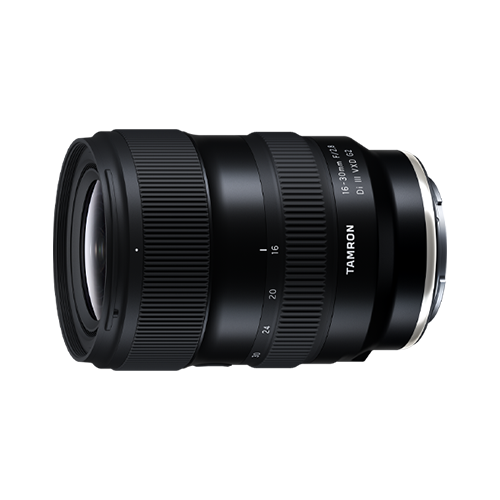
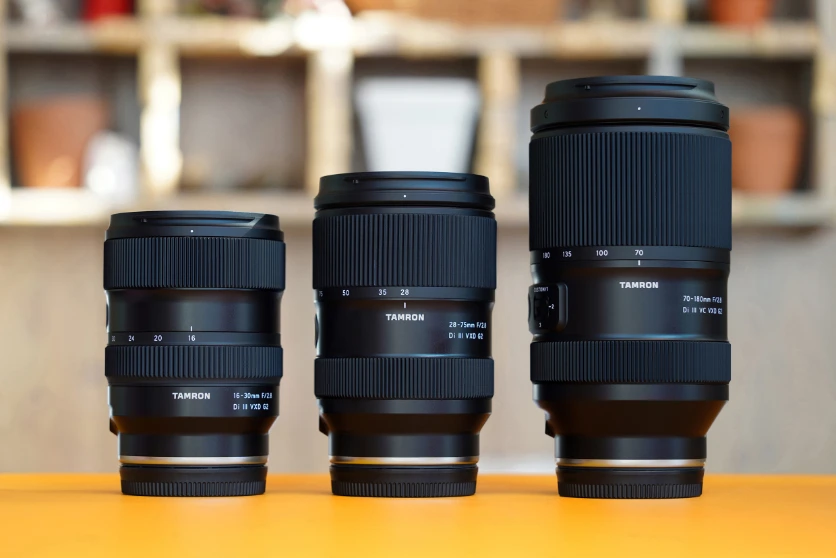
TAMRON’s current G2 Trinity takes this approach with the 16-30mm F/2.8 Di III VXD G2 (Model A064), 28-75mm F/2.8 Di III VXD G2 (Model A063) and 70-180mm F/2.8 Di III VC VXD G2 (Model A065). Together, these lenses cover 16mm through 180mm while maintaining a constant F2.8 maximum aperture across each lens.
Why Are F2.8 Zoom Lenses Popular?
One of the biggest attractions of trinity lenses is their F2.8 maximum aperture.
A larger aperture allows more light to reach the camera sensor. This can be particularly useful when photographing in challenging lighting conditions or when using faster shutter speeds to freeze movement.
For example, when photographing an indoor event, you may need a relatively fast shutter speed to prevent motion blur. Having an F2.8 zoom lens can provide more light than a slower zoom lens, giving you greater flexibility when selecting your exposure settings.
A wide aperture can also produce a shallower depth of field, helping separate a subject from its background.
This combination of light-gathering ability, depth-of-field control and zoom flexibility is one reason F2.8 zoom lenses are popular among photographers.
What Are the Advantages of a Trinity Lens Setup?
A three-lens setup offers several practical advantages.
1. A Wide Range of Focal Lengths
The most obvious advantage is the ability to cover different perspectives.
A wide-angle zoom can capture expansive scenes, while a standard zoom can handle many everyday subjects. When you need to photograph distant subjects or create stronger background compression, a telephoto zoom provides additional reach.
With the TAMRON G2 Trinity, for example, the three lenses cover 16mm to 180mm.
This gives photographers the flexibility to change perspective without having to physically move extremely close to or far away from the subject.
2. A Constant F2.8 Aperture
Another major advantage is the constant F2.8 aperture.
Because each lens in a traditional trinity setup has the same maximum aperture, changing from one lens to another can be more straightforward when working with manual exposure settings.
For example, imagine photographing a wedding and switching from a standard zoom to a telephoto zoom. With both lenses capable of F2.8, you can maintain the same maximum aperture while changing your field of view.
This consistency can be particularly helpful when photographing events where lighting conditions remain relatively constant and moments happen quickly.
3. More Flexibility in Low Light
Low-light photography can be challenging because photographers often need to balance shutter speed, aperture and ISO.
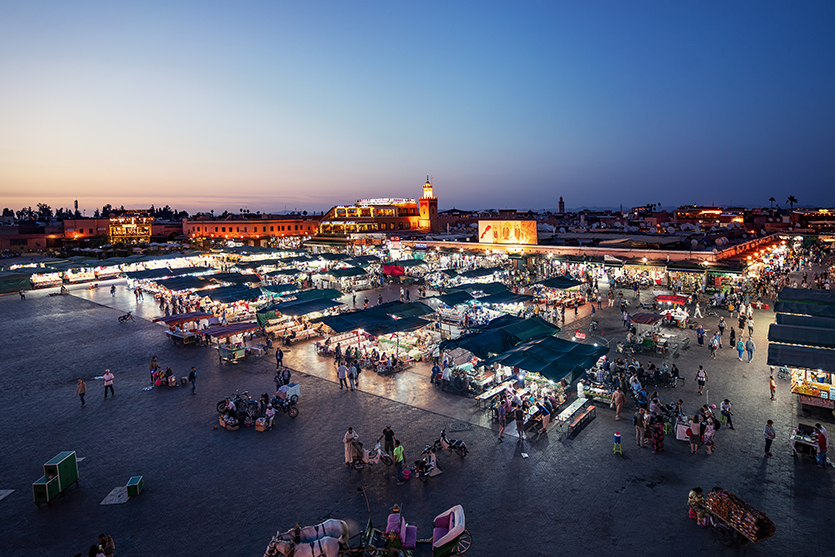
An F2.8 zoom lens allows more light to reach the sensor compared with a slower lens at the same focal length and exposure conditions.
This can be useful for:
- Indoor events
- Concerts
- Weddings
- Evening photography
- Street photography
- Indoor sports
- Portraits in low light
A faster aperture can also make it easier to use faster shutter speeds, which can help reduce motion blur when photographing moving subjects.
4. Control Over Background Blur
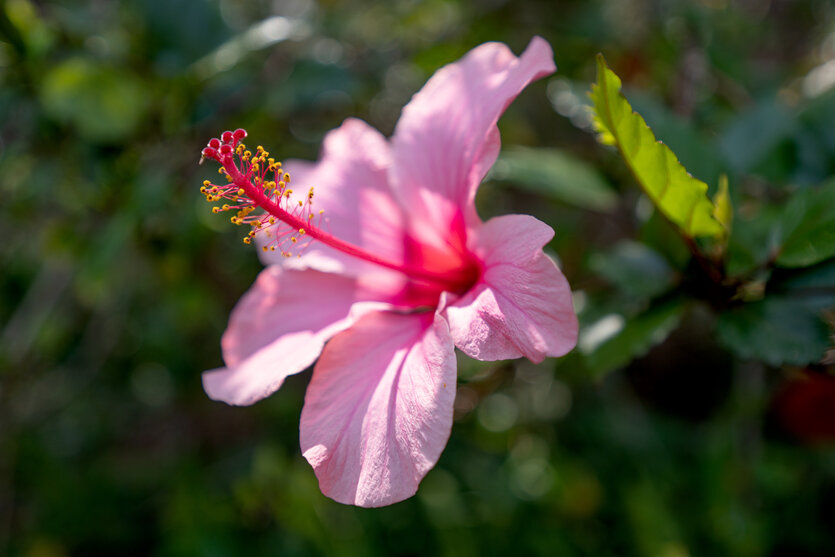
A wide aperture can help create a shallower depth of field, depending on the focal length, subject distance and camera sensor.
This makes F2.8 zoom lenses useful for portraits and other subjects where you want to visually separate the subject from its surroundings.
A telephoto zoom such as the 70-180mm F/2.8 Di III VC VXD G2 (Model A065) can be particularly useful for portrait photography because its longer focal lengths can help create strong subject separation while giving photographers flexibility over composition.
5. One Setup for Different Types of Photography
A trinity setup is not limited to one type of photography.
The same three lenses can be used for different situations throughout the day.
For example:
Morning: Use a wide-angle zoom for landscapes.
Afternoon: Switch to a standard zoom for street photography and portraits.
Evening: Use a telephoto zoom for portraits, events or distant subjects.
This versatility is one of the main reasons photographers consider a trinity setup.
When Do Trinity Lenses Come in Handy?
A trinity lens setup can be especially useful when you regularly photograph different subjects or work in situations where changing your perspective quickly is important.
Landscape Photography
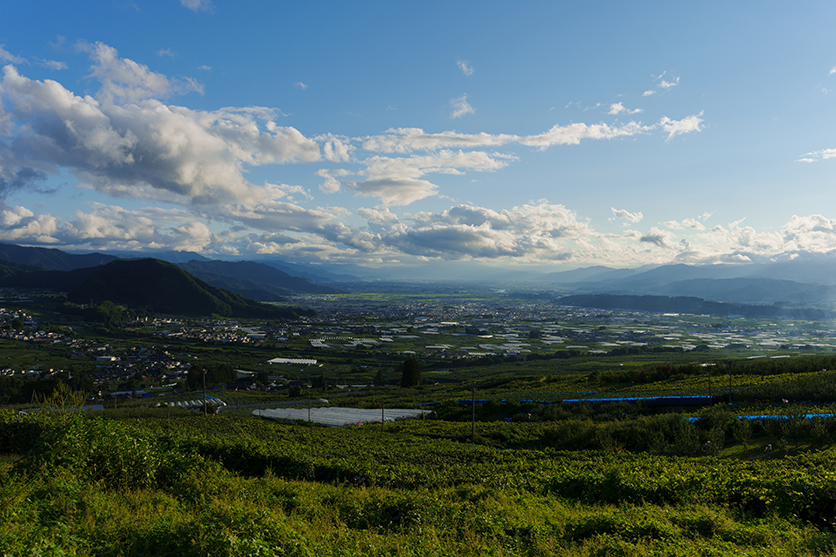
Wide-angle zoom lenses are popular for landscapes because they allow photographers to include more of the environment within the frame.
A lens such as the 16-30mm F/2.8 Di III VXD G2 (Model A064) provides an ultra wide-angle perspective at 16mm while extending to 30mm for a more natural field of view. This makes it useful for landscapes, architecture, travel and other wide scenes.
The F2.8 aperture can also be useful for low-light landscapes and astrophotography.
Travel Photography
Travel photographers often encounter a wide variety of subjects within a single day.
You might photograph architecture in the morning, people in the afternoon and a distant landmark later in the day.
A trinity setup gives you different focal lengths for each situation.
However, portability is also important when traveling. Carrying three lenses can add weight to your camera bag, so photographers should consider whether the additional flexibility is worth the extra equipment.
The A064, for example, is designed to remain compact and lightweight despite its F2.8 aperture and expanded 16-30mm range. TAMRON lists the Sony E-mount version at approximately 440g.
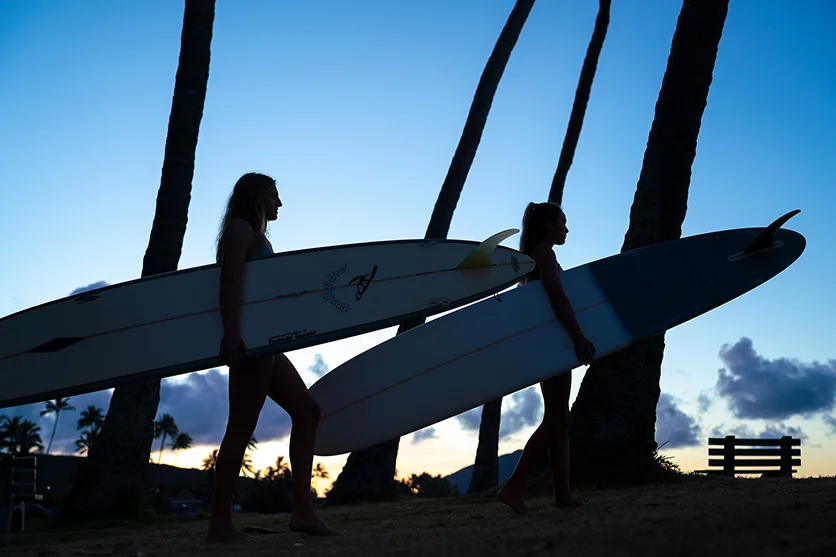
Portrait Photography
A standard or telephoto zoom can be useful for portraits because longer focal lengths can help isolate the subject and create a more compressed perspective.
The 28-75mm F/2.8 Di III VXD G2 (Model A063) is particularly versatile for portraits because its range includes commonly used focal lengths while retaining a constant F2.8 aperture.
For tighter portraits and stronger subject isolation, the 70-180mm F2.8 G2 provides additional reach.
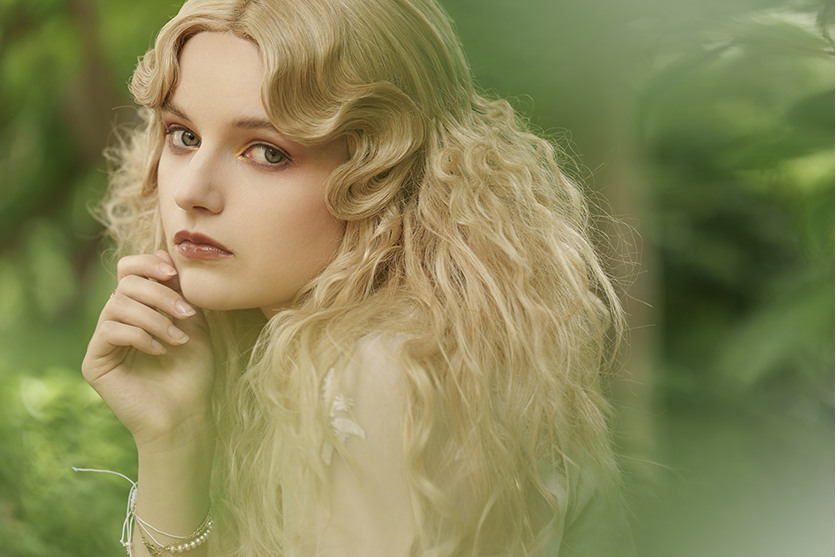
Sports Photography
Sports photography often requires fast shutter speeds to freeze movement.
When lighting is limited, a fast-aperture telephoto zoom can help provide enough light for faster shutter speeds.
The 70-180mm F2.8 G2 combines a telephoto range with a constant F2.8 aperture, making this type of lens useful for sports, events and other moving subjects.
The additional reach also allows photographers to frame subjects without needing to stand directly next to the action.
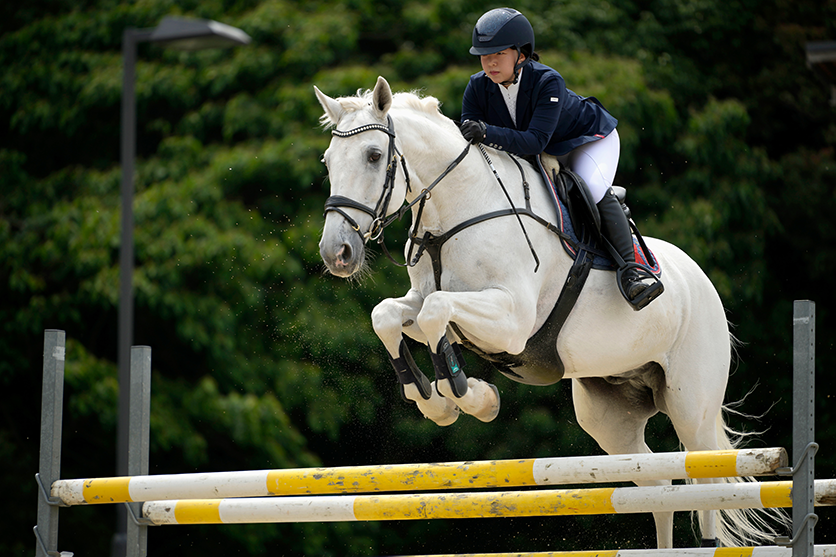
Events and Weddings
Events are another situation where a trinity setup can be useful.
Photographers may need to move quickly between wide environmental shots, group photographs, candid moments and close-up details.
A wide-angle zoom can capture the atmosphere of a venue, while a standard zoom can handle general-purpose photography. A telephoto zoom can then be used for portraits, candid moments and subjects that are farther away.
The constant F2.8 aperture across the three lenses can also provide a more consistent shooting experience when changing lenses.
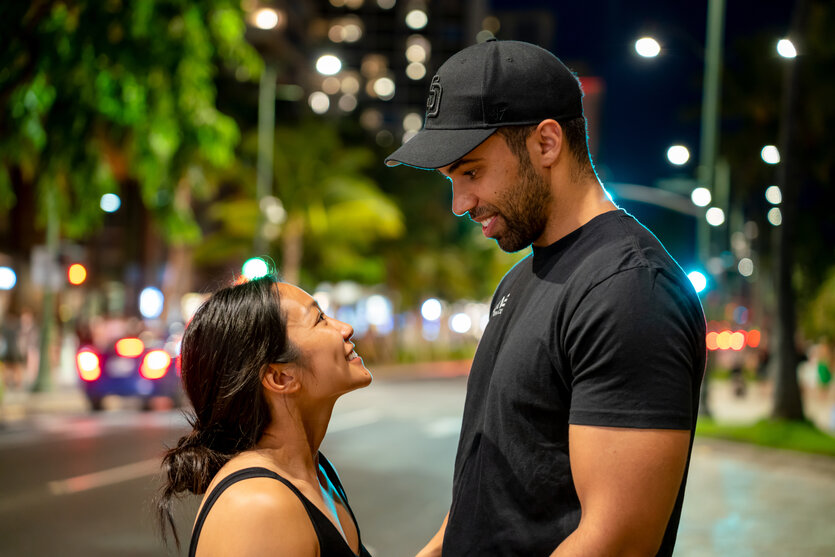
Do You Really Need the Holy Trinity of Lenses?
Despite its name, the holy trinity is not a requirement for becoming a better photographer.
In fact, many photographers can cover most of their needs with one or two lenses.
The most important question is not:
“Do I need all three lenses?”
Instead, ask:
“What do I actually photograph?”
If you primarily photograph landscapes and travel, a wide-angle zoom may be more useful to you.
If you photograph people, everyday subjects and events, a standard zoom may cover most of your needs.
If you photograph sports, wildlife or distant subjects, a telephoto zoom may be the more important addition to your camera bag.
Prime Lenses Can Be a Great Alternative
Prime lenses are another reason some photographers do not need a trinity setup.
Unlike zoom lenses, prime lenses have a fixed focal length. This means you cannot change the field of view by zooming.
However, prime lenses can offer wide maximum apertures, compact designs and distinctive rendering characteristics.
For photographers who prefer working with a specific focal length, a small collection of prime lenses may be a better fit than three F2.8 zoom lenses.
Standard Zoom Lenses Can Cover a Lot
A standard zoom can also be surprisingly versatile.
For many photographers, a lens covering a useful standard range may be enough for everyday photography, travel, portraits and casual shooting.
This can significantly reduce the amount of equipment you need to carry.
A photographer who rarely needs an ultra wide-angle or telephoto perspective may not gain much from carrying the complete trinity.
What About the Weight and Size?
One of the common concerns about F2.8 zoom lenses is their size and weight.
Fast-aperture zoom lenses require sophisticated optical designs, and many are larger than slower zoom lenses.
When using three lenses, the total weight of your camera bag can become noticeable, particularly during long days of travel, hiking or event photography.
This is why portability should be considered alongside optical performance.
A lens that stays in your camera bag because it is too heavy is not particularly useful.
Modern lens designs, however, have made it possible to create fast-aperture zoom lenses that balance performance and portability.
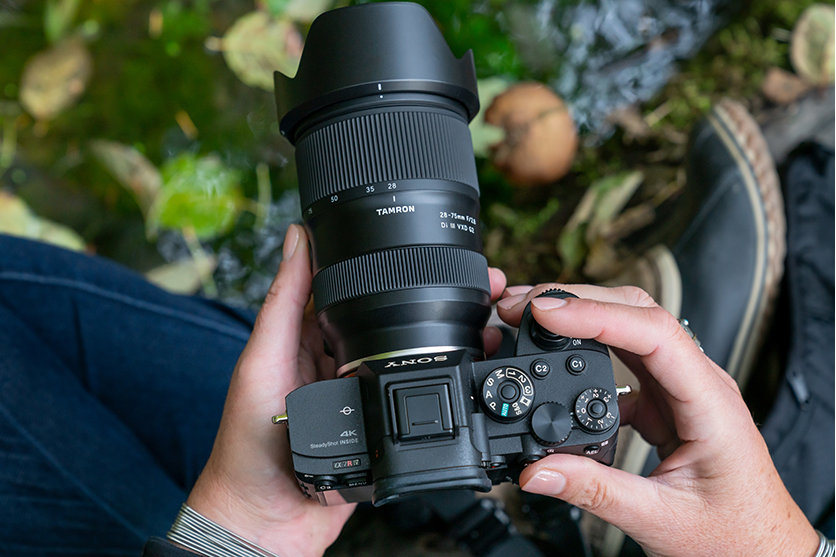
For example, TAMRON’s G2 Trinity is designed around a compact three-lens system. The three lenses share a 67mm filter size, which also makes it easier to use the same compatible filters across the setup. The combined weight of the three lenses is approximately 1.8kg.
What Should You Look for When Choosing a Trinity Lens?
If you are considering building a trinity setup, don’t look at maximum aperture alone.
Here are several things worth considering.
1. Focal Length
Think about the focal lengths you actually use.
A wider lens may be more useful for landscapes and architecture, while a longer lens may be more important for sports and wildlife.
2. Maximum Aperture
An F2.8 maximum aperture provides a balance of light-gathering ability, depth-of-field control and versatility.
However, a slower lens can be smaller, lighter and potentially more convenient to carry.
3. Size and Weight
Consider how you normally photograph.
If you spend hours walking around with your camera, portability can be just as important as optical performance.
4. Autofocus Performance
Fast and accurate autofocus can be important when photographing moving subjects, events, children, pets and sports.
A responsive autofocus system can help you spend less time waiting for focus and more time capturing the moment.
5. Minimum Object Distance
Minimum object distance is another useful specification to check.
A lens with a short minimum focusing distance can allow you to get closer to your subject and create more detailed images.
This can add another layer of versatility to a zoom lens, especially for travel, food, tabletop photography and close-up subjects.
6. Image Stabilization
Depending on the lens and camera system, image stabilization can provide additional flexibility when shooting handheld.
This can be particularly useful in low-light situations or when using slower shutter speeds.
For example, the TAMRON 70-180mm F2.8 G2 includes Vibration Compensation (VC), helping support handheld shooting at telephoto focal lengths.
TAMRON’s G2 Trinity: 16-30mm, 28-75mm and 70-180mm
For photographers interested in a modern F2.8 trinity setup, TAMRON’s G2 Trinity consists of three full-frame mirrorless zoom lenses:
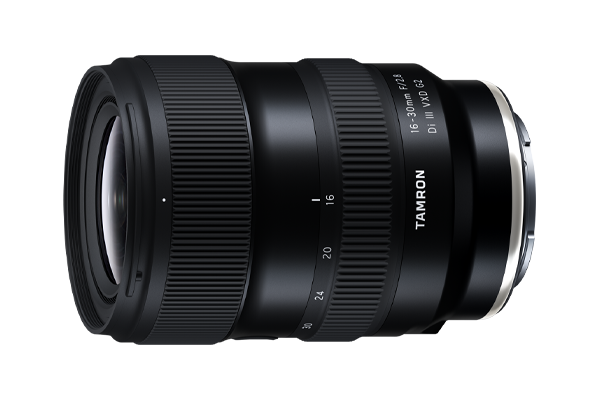
16-30mm F/2.8 Di III VXD G2 — Model A064
The ultra wide-angle zoom covers 16-30mm and is designed for landscapes, architecture, interiors, travel, astrophotography and creative perspectives.
Its compact design, F2.8 aperture and expanded focal-length range make it a flexible option for wide-angle photography.
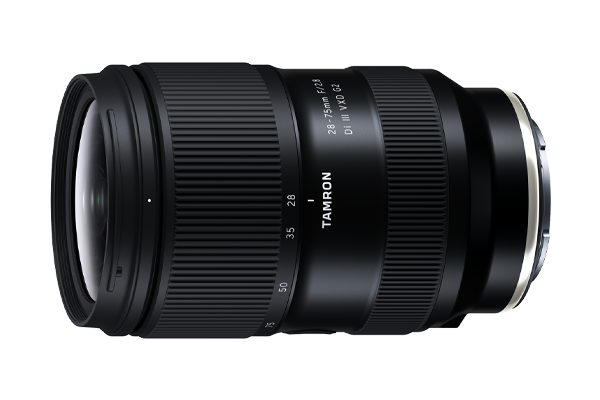
28-75mm F/2.8 Di III VXD G2 — Model A063
The standard zoom covers 28-75mm and can be used for everyday photography, travel, portraits, events and street photography.
Its constant F2.8 aperture provides consistent exposure flexibility throughout the zoom range.
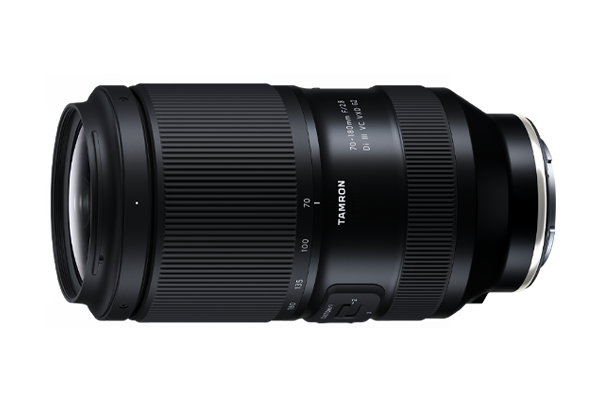
70-180mm F/2.8 Di III VC VXD G2 — Model A065
The telephoto zoom covers 70-180mm and is suited to portraits, sports, events and subjects that require additional reach.
Its F2.8 aperture and VC stabilization provide additional flexibility for handheld telephoto photography.
Together, the three lenses create a continuous system covering 16mm to 180mm, while maintaining a constant F2.8 maximum aperture within each lens.
Is a Trinity Lens Setup Right for You?
The holy trinity of lenses is popular because it combines three useful focal-length ranges with the advantages of a constant F2.8 aperture.
It can provide flexibility for landscapes, portraits, travel, events, sports and many other types of photography. It can also make it easier to maintain a consistent shooting approach when changing between wide-angle, standard and telephoto perspectives.
But you don’t necessarily need all three.
For some photographers, one versatile zoom lens may be all they need. Others may prefer a combination of prime lenses and a single zoom. And for photographers who frequently work across different focal lengths, a complete trinity setup can provide a flexible solution.
The best lens setup ultimately depends on your subjects, shooting style, preferred focal lengths and how much equipment you are comfortable carrying.
Rather than building your camera bag around the idea that you must own three lenses, start by identifying the types of photographs you enjoy taking. Then choose the lenses that help you capture those subjects more effectively.
Whether you use one lens or build a complete trinity, the goal is the same: choose equipment that gives you the freedom to create the images you want.
TAMRON products mentioned in this article