
Motorsports Photography Tips: How to Photograph Fast Cars and Motorcycles
The roar of an engine, the speed of a racing car, and the movement of a motorcycle through a corner are all moments that can make motorsports exciting to photograph.
However, photographing a fast-moving vehicle is very different from photographing a stationary subject. Cars and motorcycles can move through the frame in a matter of seconds, and photographers often have only one opportunity to capture a particular moment.
Motorsports photography therefore requires a combination of preparation, timing, camera technique, autofocus, shutter-speed control, and the right lens.
A fast telephoto lens can help you reach subjects that are far away, while a slower shutter speed can be used creatively to introduce motion blur and emphasize speed. By changing your shooting technique, you can create everything from sharp action photographs to dynamic panning shots.
In this guide, we’ll explore how to photograph motorsports, including recommended camera settings, focusing techniques, composition, panning, dealing with fences and difficult weather, and how to choose a lens for photographing cars and motorcycles.
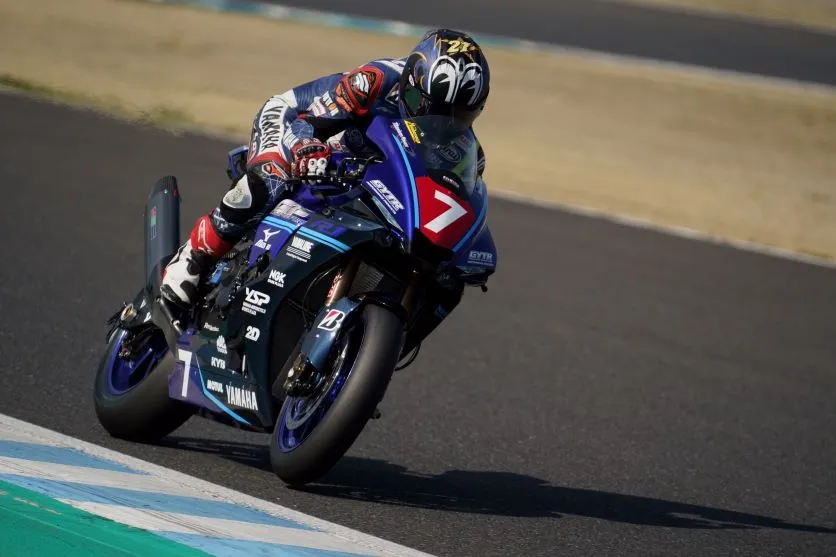
What Is Motorsports Photography?
Motorsports photography focuses on capturing racing vehicles and the people involved in motorsport events.
This can include circuit racing, motorcycle racing, rallying, karting, drifting, motocross, and other forms of motorsport.
The subject doesn’t always have to be the vehicle itself.
Drivers and riders, pit crews, mechanics, spectators, garages, racing equipment, and the surrounding circuit can all help tell the story of an event.
This gives you two broad approaches to motorsports photography:
- Action photography, which focuses on speed and movement.
- Event photography, which captures the atmosphere and story surrounding the race.
Try photographing both. A collection of sharp racing images becomes more interesting when combined with details showing what happened before, during, and after the race.
Prepare Before the Race
Preparation is one of the most important parts of motorsports photography.
Unlike a landscape, a race won’t wait for you to find the right position.
Before shooting, study the circuit or event location if possible. Look at the layout, corners, straights, elevation changes, spectator areas, and possible shooting positions.
If the venue allows it, walking around before the event can help you identify locations that aren’t obvious from a map.
Pay particular attention to corners.
Vehicles often slow down, change direction, lean, brake, accelerate, or bunch together around corners, creating opportunities for dynamic photographs.
Also check the event’s photography rules before attending. Some venues restrict where spectators can stand or the equipment they can use. Certain locations may also have restrictions on the maximum lens length permitted in spectator areas.
Knowing these limitations beforehand will help you choose your equipment appropriately.
Use a Telephoto Lens for Motorsports
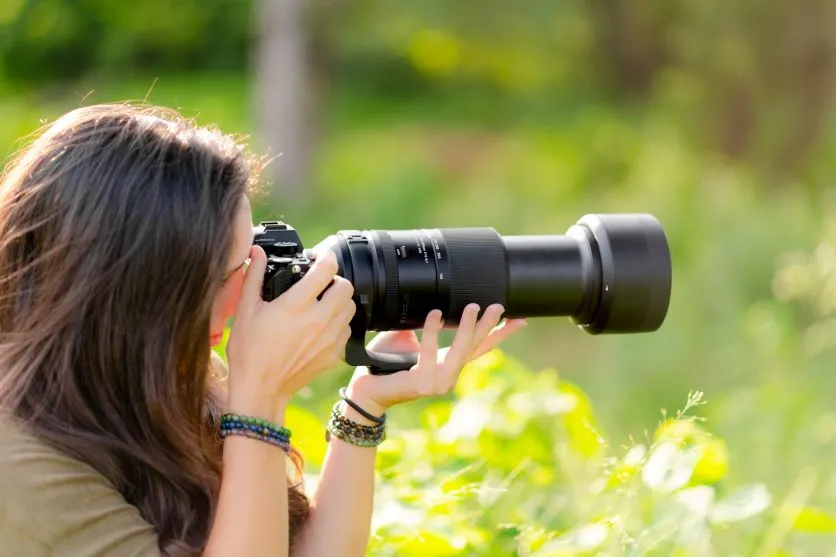
A telephoto lens is one of the most useful pieces of equipment for motorsports photography.
Race tracks are designed to give vehicles room to accelerate, which means photographers are often positioned some distance away from the action.
A longer focal length allows you to fill more of the frame with the vehicle without physically moving closer.
A lens reaching 200mm or longer can be useful for photographing distant vehicles, while focal lengths of 400mm or more can provide additional reach for tight compositions and distant details. TAMRON’s motorsports guidance specifically recommends telephoto lenses for capturing large images of vehicles from a distance.
However, don’t assume that the longest lens is always the best lens.
A zoom lens provides greater flexibility because you can adjust the composition as the vehicle approaches or moves away.
What Is Motorsports Photography?
Motorsports photography focuses on capturing racing vehicles and the people involved in motorsport events.
This can include circuit racing, motorcycle racing, rallying, karting, drifting, motocross, and other forms of motorsport.
The subject doesn’t always have to be the vehicle itself.
Drivers and riders, pit crews, mechanics, spectators, garages, racing equipment, and the surrounding circuit can all help tell the story of an event.
This gives you two broad approaches to motorsports photography:
- Action photography, which focuses on speed and movement.
- Event photography, which captures the atmosphere and story surrounding the race.
Try photographing both. A collection of sharp racing images becomes more interesting when combined with details showing what happened before, during, and after the race.
Prepare Before the Race
Preparation is one of the most important parts of motorsports photography.
Unlike a landscape, a race won’t wait for you to find the right position.
Before shooting, study the circuit or event location if possible. Look at the layout, corners, straights, elevation changes, spectator areas, and possible shooting positions.
If the venue allows it, walking around before the event can help you identify locations that aren’t obvious from a map.
Pay particular attention to corners.
Vehicles often slow down, change direction, lean, brake, accelerate, or bunch together around corners, creating opportunities for dynamic photographs.
Also check the event’s photography rules before attending. Some venues restrict where spectators can stand or the equipment they can use. Certain locations may also have restrictions on the maximum lens length permitted in spectator areas.
Knowing these limitations beforehand will help you choose your equipment appropriately.
Use a Telephoto Lens for Motorsports
A telephoto lens is one of the most useful pieces of equipment for motorsports photography.
Race tracks are designed to give vehicles room to accelerate, which means photographers are often positioned some distance away from the action.
A longer focal length allows you to fill more of the frame with the vehicle without physically moving closer.
A lens reaching 200mm or longer can be useful for photographing distant vehicles, while focal lengths of 400mm or more can provide additional reach for tight compositions and distant details. TAMRON’s motorsports guidance specifically recommends telephoto lenses for capturing large images of vehicles from a distance.
However, don’t assume that the longest lens is always the best lens.
A zoom lens provides greater flexibility because you can adjust the composition as the vehicle approaches or moves away.
Why a Zoom Lens Can Be Useful
A zoom lens lets you change your framing without changing your position.
You can use a wider focal length when a vehicle is relatively close, then zoom toward the telephoto end when it moves farther away.
This can be particularly useful when you’re photographing from a fixed spectator area.
A versatile zoom can also be useful between races, allowing you to photograph the circuit, pit area, people, and surrounding environment without switching lenses.
Motorsports Photography Camera Settings
There is no single set of camera settings that works for every motorsport situation.
The ideal settings depend on the speed of the vehicle, lighting, focal length, desired amount of motion blur, and the type of photograph you’re trying to create.
However, shutter speed is one of the most important settings to understand.
Use Shutter Priority for Fast Action
Shutter Priority mode can be a convenient starting point for motorsports photography.
You choose the shutter speed while the camera adjusts the aperture automatically to produce an appropriate exposure.
This allows you to concentrate on controlling the appearance of movement.
For example, if your goal is to freeze a fast-moving motorcycle, you can select a fast shutter speed and adjust it according to the conditions.
If you want to create a panning photograph with motion blur, you can deliberately choose a slower shutter speed.
TAMRON also recommends Shutter Priority as a practical starting point for photographing fast-moving subjects.
Use a Fast Shutter Speed to Freeze Motion
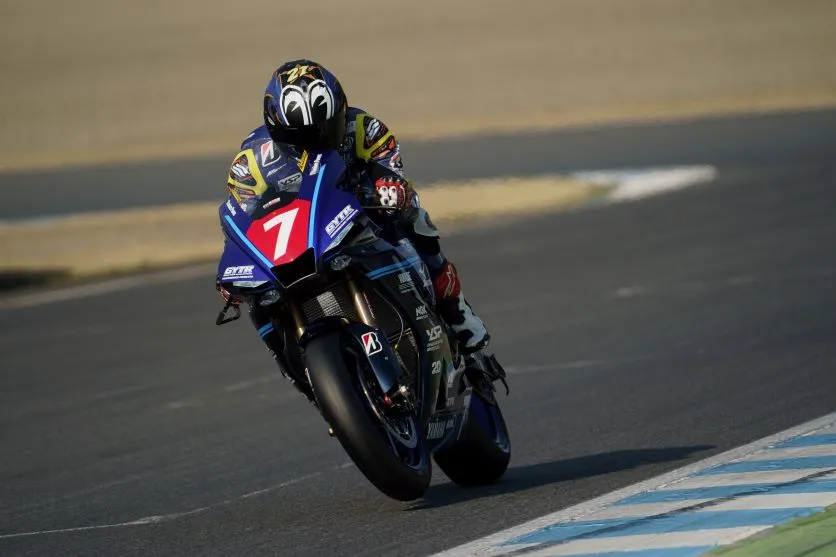
A fast shutter speed helps reduce motion blur.
For a relatively sharp motorsports photograph, you might start around 1/500 second and adjust from there.
For particularly fast movement or when you want to freeze every detail of the vehicle, you may need 1/1000 second or faster.
The appropriate shutter speed depends on the direction and speed of movement.
A vehicle moving directly toward you may require a different setting from one moving rapidly across the frame.
When photographing motorcycles, the movement of the rider can also affect the image. A fast shutter speed can help freeze both the motorcycle and rider during moments such as cornering or acceleration.
Use a Slower Shutter Speed for Panning
If you want to make a photograph look fast, you don’t necessarily need to freeze the action.
One of the most effective techniques in motorsports photography is panning.
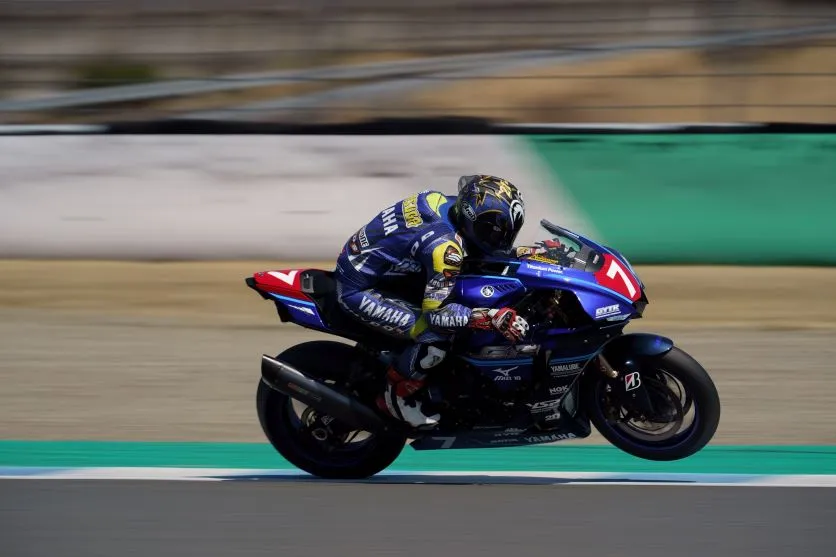
Panning involves following the moving vehicle with your camera while using a slower shutter speed. The vehicle remains relatively sharp while the background becomes blurred.
This creates horizontal motion blur and gives the photograph a strong sense of speed.
A useful starting point is around 1/125 to 1/320 second. As you become more comfortable, you can experiment with slower shutter speeds. TAMRON’s motorsports guidance recommends this range as a starting point for panning.
More recent TAMRON guidance also suggests beginning around 1/125 second and gradually experimenting with 1/60 and 1/30 second as your panning technique improves.
How to Take a Panning Shot
Panning takes practice.
Start by choosing a location where the vehicle travels across your field of view at a relatively consistent speed. A section of track near a corner can be a good place to begin.
1. Choose Your Shutter Speed
Start with a moderately slow shutter speed such as 1/125 second.
Once you’re comfortable, try 1/80, 1/60, or slower.
The slower the shutter speed, the more pronounced the background blur becomes—but the harder it becomes to keep the vehicle sharp.
2. Pre-Focus or Track the Vehicle
Use Continuous AF or the equivalent continuous focusing mode on your camera.
Select an appropriate focus area, such as a zone or flexible-area setting, so the camera has an opportunity to track the moving vehicle.
Alternatively, you can pre-focus on the location where the vehicle will pass and take the photograph as it reaches that point. TAMRON’s motorsports guidance describes both continuous AF tracking and pre-focusing as useful approaches.
3. Follow the Vehicle Smoothly
As the vehicle approaches, begin following it with your camera.
Don’t wait until the vehicle reaches the exact shooting position before moving.
Keep your movement smooth and try to maintain the same framing as you follow the vehicle.
4. Rotate From Your Upper Body
Avoid moving only your arms.
Keep the camera stable and rotate your upper body smoothly as you track the vehicle.
This helps maintain a more consistent horizontal movement.
5. Continue the Movement After Taking the Photo
One common mistake is stopping the camera movement immediately after pressing the shutter.
Continue following the vehicle through the exposure.
This helps maintain smoother movement and can improve your chances of keeping the subject sharp.
6. Shoot a Burst
If your camera supports continuous shooting, use a burst mode when appropriate.
The vehicle’s position changes rapidly, so taking a short sequence can give you several frames from which to choose.
Choose a Background That Shows Motion
The background is extremely important in a panning photograph.
A completely plain background may produce some blur, but it may not communicate where the photograph was taken.
Look for elements such as:
- Track barriers
- Grass
- Trees
- Grandstands
- Advertising boards
- Curbs
- Buildings
Horizontal lines and repeating patterns can become especially effective when blurred.
The contrast between the relatively sharp vehicle and the streaked background is what creates much of the visual sensation of speed.
Don’t Rush Your Panning Technique
Panning is difficult at first.
If you move the camera too quickly, the vehicle itself can become blurred.
If you move too slowly or stop during the exposure, the background may not have enough motion blur.
Start with a moderately fast shutter speed and work your way toward slower settings as you improve.
Don’t judge your technique based on one photograph.
Take several sequences and review them afterward. You’ll quickly begin to understand how shutter speed and camera movement affect the result.
Use Autofocus to Track Fast-Moving Vehicles
Autofocus performance is particularly important in motorsports photography.
Vehicles can approach rapidly and change distance from the camera in a very short period of time.
Use Continuous AF or the equivalent setting on your camera so that focus can adjust as the vehicle moves.
A zone or flexible focus area can give the camera enough room to track the subject.
If your camera provides subject-recognition or vehicle-detection autofocus, you can also experiment with those features where appropriate.
However, don’t rely entirely on automatic tracking.
Knowing the route the vehicle will take and anticipating where it will appear can still be extremely valuable.
Try Pre-Focusing
Pre-focusing can be useful when you know exactly where the vehicle will pass.
For example, you might identify a particular corner, curb, or section of track and focus on that position in advance.
Then, when the vehicle reaches that point, you can capture the photograph.
This technique can be especially useful when autofocus has difficulty tracking through fences or other obstacles.
Use a Smaller Aperture for Detailed Vehicles
If you want the entire vehicle to remain sharp, a moderately narrow aperture can provide more depth of field.
Settings around F8 to F11 can be useful in bright conditions when your goal is to capture the shape and details of the vehicle clearly. TAMRON’s original motorsports guidance recommends this range for detailed still images.
However, don’t treat F8–F11 as a rule.
If you’re working in low light, you may need a wider aperture.
A wider aperture can also help isolate the vehicle from the background.
Choose the aperture according to the photograph you want rather than simply copying a fixed setting.
Adjust ISO for Changing Conditions
Motorsports events can take place in bright sunlight, overcast conditions, rain, or near sunset.
Auto ISO can be useful when lighting changes quickly.
In bright conditions, ISO 100 to 500 may often be sufficient.
In cloudy or low-light conditions, you may need to increase ISO considerably to maintain the shutter speed you need.
Don’t be afraid of higher ISO when necessary. A slightly noisy photograph can still be successful if the vehicle is sharp and the moment is compelling.
Photographing Cars
Cars provide many opportunities for different types of photographs.

Photograph Cars Head-On
A front-facing photograph can emphasize the shape and character of a racing car.
Corners can be particularly interesting because the vehicle may be braking, turning, or accelerating.
Try to anticipate where the car will appear and leave enough space in the frame for the direction in which it is moving.
Photograph Cars From the Side
Side views can be excellent for panning.
The vehicle moves horizontally across the frame, making it easier to create horizontal motion blur in the background.
A straight section of track can therefore be a useful place to practice.
Photograph Cars During Cornering
Corners can reveal more of the vehicle’s movement.
Look for moments when the car is braking, turning, accelerating, or riding over a curb.
These moments can create a stronger sense of action than a car simply traveling along a straight section.
Capture Details
You don’t always need to photograph the entire vehicle.
Use a longer focal length to isolate:
- Headlights
- Wheels
- Racing numbers
- Logos
- Driver helmets
- Bodywork
- Exhausts
- Aerodynamic details
Tight compositions can produce a different visual interpretation of the race.
Photographing Motorcycles
Motorcycles introduce another important element: the rider.
The rider’s body position can communicate speed, tension, and technique.

Capture the Rider and Motorcycle Together
When photographing a motorcycle from the front, try to keep both the rider and machine clearly visible.
This helps communicate the relationship between the person and the motorcycle.
Photograph Cornering
Cornering can be one of the most visually dramatic moments in motorcycle racing.
The rider’s body position, lean angle, motorcycle, and track can combine to create a strong composition.
A longer focal length can help isolate this moment from the surrounding environment.
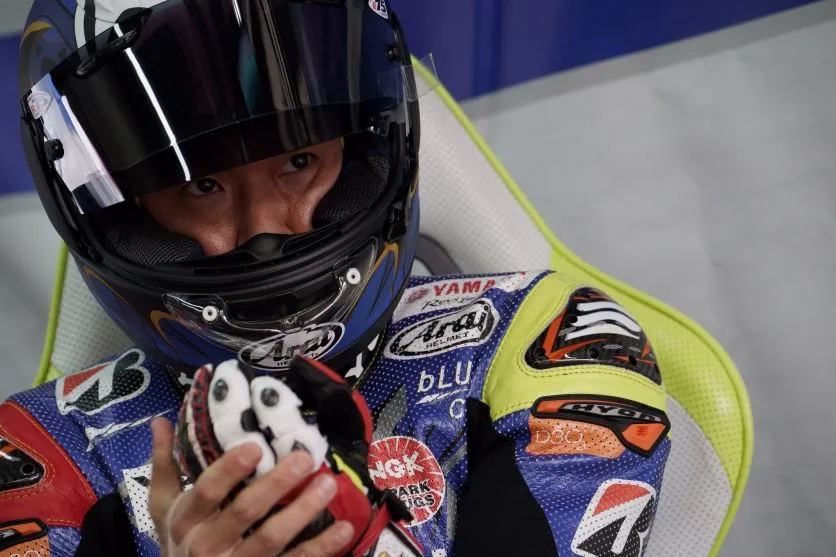
Look for the Rider’s Expression
If the rider’s helmet and visor allow their face to be seen, capturing their expression can add another human element to the photograph.
Don’t focus exclusively on the machine.
The person controlling it is an important part of the story.
Use the Environment as Part of the Photograph
Motorsports photography doesn’t have to be limited to action shots.
Photograph the wider environment between races.
Look for:
- Race track architecture
- Grandstands
- Pit areas
- Mechanics
- Racing equipment
- Spectators
- Team uniforms
- Vehicles waiting in the paddock
- Signs and event details
These photographs can help establish the atmosphere of the event.
A wider zoom lens can be useful for these scenes when your telephoto lens isn’t necessary.
How to Photograph Through a Fence
Spectator areas at racing circuits often have safety fences between photographers and the track.
A fence can easily become distracting, particularly when shooting with a wide aperture.
One technique is to position the front of your lens as close to the fence as practical without touching or interfering with it.
A wide aperture and long focal length can help throw the nearby fence out of focus.
However, always follow venue safety rules and never place yourself or your equipment in an unsafe position simply to remove a fence from the photograph.
Photographing Motorsports in Rain
Rain can make a motorsport event more difficult to photograph, but it can also create interesting opportunities.
Water spray from tires can emphasize movement and add atmosphere.
Wet track surfaces can also produce reflections from headlights, brake lights, and surrounding lighting.
When photographing in rain, protect your camera and lens appropriately.
A moisture-resistant lens can provide additional protection in suitable conditions, but moisture resistance does not make equipment waterproof.
Use appropriate rain protection when conditions become severe.
Photographing Motorsports in Low Light
Races can continue into the evening, or you may find yourself shooting around sunset.
As light decreases, you may need to increase ISO or open the aperture to maintain your desired shutter speed.
A lens with a wide maximum aperture, such as F2.8 or F4, can provide greater flexibility in lower-light situations.
Image stabilization can also help with camera shake when shooting handheld, although stabilization does not freeze a moving vehicle.
Your shutter speed still needs to be fast enough to capture the type of movement you want.
Do You Need a Tripod or Monopod?
A tripod isn’t always practical at a motorsport event.
You may need to move quickly between shooting positions, and spectator areas can be crowded.
For handheld shooting, a camera and lens with effective image stabilization can be very useful.
A monopod can be a good compromise when using a large, heavy telephoto lens for an extended period.
It provides additional support without restricting movement as much as a tripod.
However, always check the venue’s rules before bringing support equipment.
How to Choose a Lens for Motorsports Photography
Choosing a lens for motorsports depends on where you’ll be photographing and the type of images you want to create.
Choose a Long Focal Length
A telephoto lens is generally the starting point for motorsports.
A lens reaching 200mm or more can be useful for capturing vehicles from spectator areas.
Longer focal lengths such as 400mm, 500mm, or 600mm provide even greater reach when the track is far away.
However, longer isn’t automatically better.
Consider how close you’ll be to the track, the venue’s restrictions, and how easily you can move between shooting positions.
Choose a Zoom Lens for Flexibility
A zoom lens allows you to adjust framing quickly.
This can be particularly useful when a vehicle moves toward or away from your position.
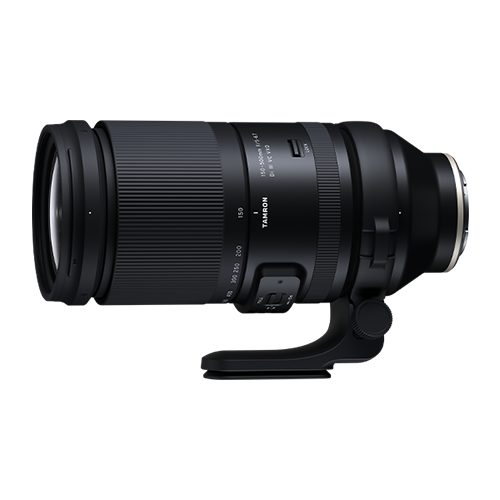
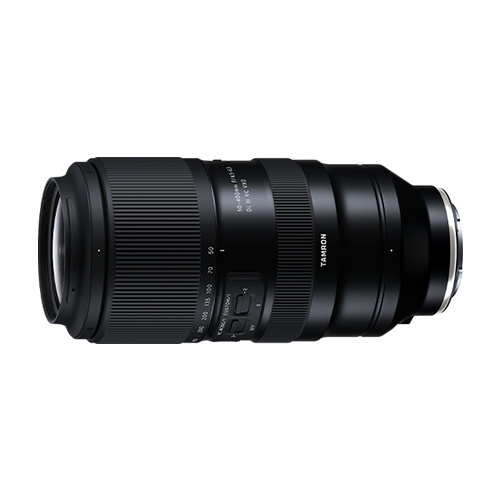
A lens such as a 50-400mm or 150-500mm provides a broad range of telephoto perspectives, allowing you to switch from a relatively wide view to a tight action shot without changing lenses.
Look for a Wide Maximum Aperture
A wider maximum aperture can be useful when shooting in cloudy conditions, at dusk, or indoors around pit areas.
An F2.8 or F4 lens can also produce background separation.
However, slower lenses can still be extremely useful in bright outdoor conditions.
Don’t choose a lens based solely on its maximum aperture.
Consider focal range, size, weight, autofocus, stabilization, and the lighting conditions in which you normally shoot.
Look for Fast Autofocus
Fast and accurate autofocus is particularly important when photographing vehicles moving rapidly across the frame.
Look for a lens with a focusing system capable of tracking moving subjects smoothly.
The camera body also plays an important role, so consider the camera and lens as a complete system.
Consider Image Stabilization
Image stabilization can make handheld telephoto shooting more comfortable and help reduce camera shake.
This is particularly useful when using long focal lengths.
Some lenses and cameras also provide stabilization modes designed to work with panning.
Check your equipment’s specifications and recommended settings before the event.
Consider Size and Weight
Motorsports photography can involve standing for several hours and moving between shooting positions.
A large telephoto lens can provide excellent reach, but its weight can become tiring over a long event.
A lighter lens may allow you to react faster and move more easily.
Consider how you’ll actually use the lens rather than focusing only on its maximum focal length.
Consider Lens Operability
When photographing fast-moving subjects, you need to be able to change settings quickly.
A smooth zoom ring can make it easier to adjust framing.
A responsive focus ring is useful when manual focus is necessary.
Zoom-lock mechanisms can also be useful on some telephoto lenses when carrying them around for extended periods.
Consider Weather Resistance
Motorsports events take place outdoors, so weather can change quickly.
A lens with moisture-resistant construction can provide additional protection in light rain or damp conditions.
However, this does not mean the lens is waterproof.
If heavy rain is expected, use dedicated rain protection for your camera and lens.
Final Tips for Motorsports Photography
Motorsports photography combines speed, timing, technique, and anticipation.
Start by learning to capture sharp images of vehicles using faster shutter speeds. Once you’re comfortable tracking moving subjects, experiment with slower shutter speeds and panning to create photographs with a stronger sense of motion.
Pay close attention to your focusing technique. Continuous AF can help track moving vehicles, while pre-focusing can be useful when you know exactly where a vehicle will pass.
Think about composition before the race begins. Study the circuit, identify corners and straights, and consider what will appear in the background.
Don’t photograph only the vehicles. Capture the riders, drivers, pit crews, spectators, track environment, and details that help tell the story of the event.
When choosing a lens, consider the distance between you and the track, the focal length you need, autofocus performance, image stabilization, maximum aperture, size, weight, and venue restrictions.
Most importantly, practice.
Panning takes time to master, and your first attempts may not be sharp. That’s normal. Start with a moderately slow shutter speed, follow the vehicle smoothly, and gradually experiment with slower settings as your technique improves.
With preparation, practice, and the right combination of camera settings and telephoto reach, you can capture motorsports photographs that communicate not only what happened on the track, but also the speed, energy, and excitement of the event.
TAMRON products mentioned in this article