
RAW Photography: Benefits, Drawbacks & RAW vs JPEG
When you take photos with a digital interchangeable-lens camera, you can usually choose how your images are recorded. Two of the most common options are RAW and JPEG.
JPEG is convenient because the camera processes the image for you, making the file ready to view, share, or print. RAW, on the other hand, preserves much more of the image data captured by the camera’s sensor, giving you greater flexibility when editing your photos afterward.
So, what exactly is a RAW image? What are the advantages and disadvantages of shooting RAW? And when should you choose RAW instead of JPEG?
Let’s take a closer look at RAW photography and the differences between RAW and JPEG.
What Is a RAW Image?
A RAW image is a file that preserves data captured by a camera’s image sensor with relatively little in-camera processing. Unlike a JPEG, which is processed and compressed by the camera, a RAW file retains more of the original image information for adjustment during post-processing.
RAW files are often compared to a digital negative. The analogy comes from film photography, where a negative contains information that can later be developed into a finished photograph.
When shooting RAW, photographers have greater control over adjustments such as:
- Exposure
- White balance
- Highlights and shadows
- Color
- Contrast
- Sharpness
- Noise reduction
This flexibility can be especially useful when photographing scenes with challenging lighting, such as sunsets, backlit subjects, night scenes, or high-contrast environments.
For example, if a photograph is slightly underexposed, a RAW file generally gives you more room to brighten the image while retaining tonal and color information. Likewise, white balance can be adjusted during editing rather than being locked into the camera’s original JPEG processing.
RAW vs JPEG: What’s the Difference?
The main difference between RAW and JPEG is how much image data is retained and how much processing the camera performs before saving the file.
A JPEG is essentially a finished image produced by the camera. The camera applies processing such as sharpening, color rendering, contrast, and white balance before saving the file.
A RAW file is closer to the original sensor capture and is intended to be processed later using compatible software.
| RAW | JPEG |
|---|---|
| Retains more original image data | Saves a processed image |
| Greater editing flexibility | More limited editing flexibility |
| Larger file size | Smaller file size |
| Usually requires RAW processing software | Ready to view and share |
| Better suited to extensive editing | Convenient for everyday shooting |
| More storage space required | Requires less storage |
The exact characteristics of RAW files vary between cameras, while JPEG files are designed to be widely compatible and easy to use.
1. File Size
One of the most noticeable differences between RAW and JPEG is file size.
RAW files are generally much larger because they preserve substantially more information from the camera’s sensor. A 24-megapixel camera, for example, might produce a JPEG measuring only a few megabytes, while the corresponding RAW file can be several times larger.
This means photographers who shoot RAW should consider their available:
- Memory card capacity
- Computer storage
- External backup storage
- Cloud storage
If you regularly photograph events, travel, sports, or other subjects where you take hundreds or thousands of images, the additional storage requirements can become significant.
JPEG’s smaller file size makes it more convenient when storage space and quick file transfers are priorities.
2. Editing Flexibility
One of the biggest reasons photographers choose RAW is its flexibility during post-processing.
RAW files generally preserve more tonal and color information than JPEG files, giving you greater room to adjust the image after taking the photograph.
For example, you may be able to make useful corrections to:
Exposure
If a photograph is slightly too dark, you can increase its exposure during processing. RAW provides more flexibility for recovering tonal information than a JPEG.
White Balance
You can adjust the color temperature after shooting. This is particularly useful when lighting conditions change or when the camera’s automatic white balance does not produce the look you want.
Highlights and Shadows
RAW files can provide additional flexibility when recovering detail from bright highlights or dark shadow areas.
Color
You can fine-tune color temperature, tint, saturation, contrast, and other parameters to create a specific visual style.
This makes RAW particularly useful when the final appearance of the photograph matters as much as the moment captured in-camera.
3. RAW Requires Post-Processing
The flexibility of RAW comes with an important trade-off: RAW files usually need to be processed before they are ready for everyday use.
A RAW file may not immediately look like the finished JPEG produced by your camera. To turn it into a final photograph, you typically use dedicated photo-editing or RAW-processing software.
A common workflow might look like this:
Shoot → Import → Adjust Exposure → Adjust White Balance → Refine Highlights/Shadows → Adjust Color → Sharpen/Reduce Noise → Export
You can also save frequently used adjustments as presets, which can speed up the editing process when working with a large number of images.
JPEG files, by comparison, have already undergone much of this processing inside the camera. That makes them much faster to use immediately after shooting.
What Are the Disadvantages of RAW Photography?
RAW provides significant flexibility, but it isn’t necessarily the best choice for every situation.
Larger Files
RAW files require more storage space than JPEG files. If you shoot extensively, you’ll need larger memory cards and more storage for backups.
More Time Spent Editing
RAW is designed for post-processing. If you want your photographs to be ready to share immediately, JPEG can be more convenient.
Requires Compatible Software
RAW files generally require compatible software to properly view, process, and export them.
Less Convenient for Immediate Sharing
JPEG files can be transferred directly to many smartphones, computers, and other devices. RAW files may require additional processing before they are ready for social media, messaging, or printing.
These factors make JPEG a practical option for photographers who prioritize speed and convenience.
When Should You Shoot in RAW?
RAW is particularly useful when you expect to edit your photographs or when the lighting conditions make exposure difficult.
Here are several situations where RAW can be especially valuable.
Landscape Photography
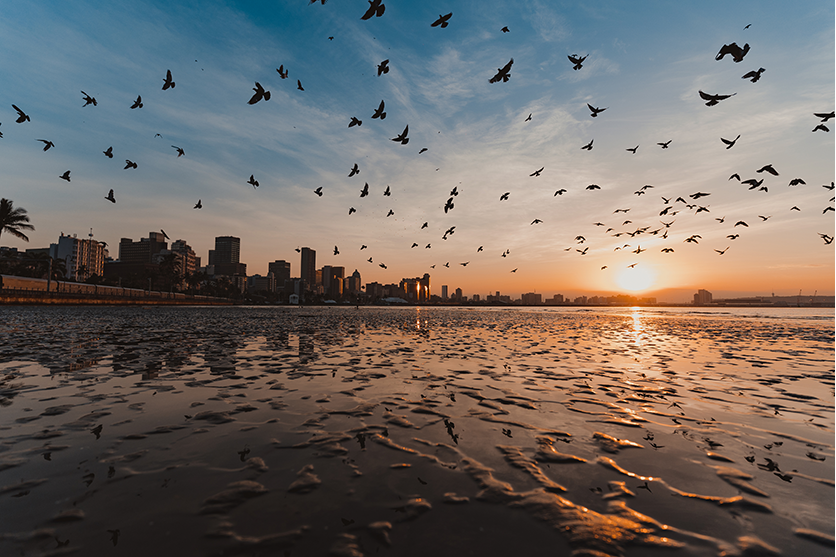
Landscape photography often involves a wide range of brightness levels.
A sunrise or sunset, for example, can contain a bright sky alongside a relatively dark foreground. RAW gives you greater flexibility when balancing these areas during post-processing.
RAW is also useful for scenes containing subtle color transitions, such as:
- Blue skies
- Sunsets
- Clouds
- Water reflections
- Mountain landscapes
- Forests with dappled light
The additional editing flexibility can help you preserve the atmosphere and tonal transitions of the original scene.
Portrait Photography
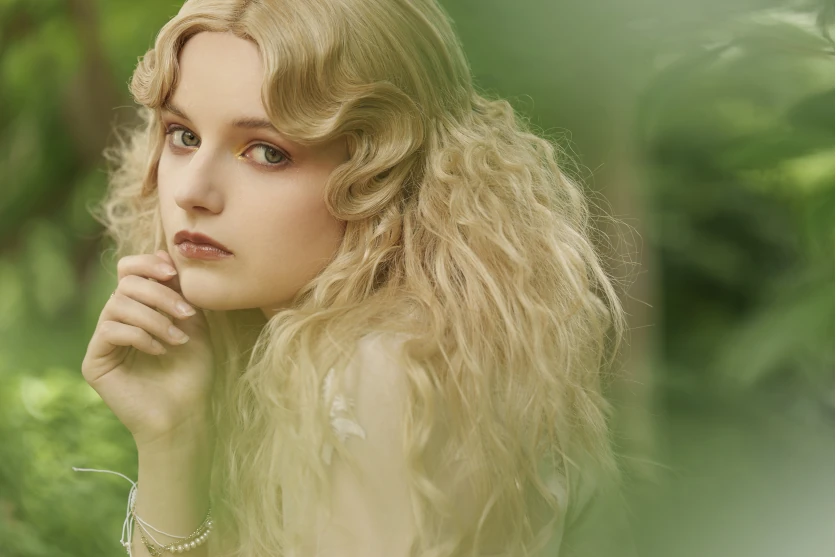
Portraits can also benefit from the flexibility of RAW processing.
Skin tones, hair detail, highlights, and shadows can require careful adjustment, particularly when the subject is photographed against a bright background.
RAW gives you more freedom to refine the image later, whether you want a natural-looking result or a more stylized interpretation.
Backlit portraits are another situation where RAW can be useful because the brightness difference between the subject and background can be significant.
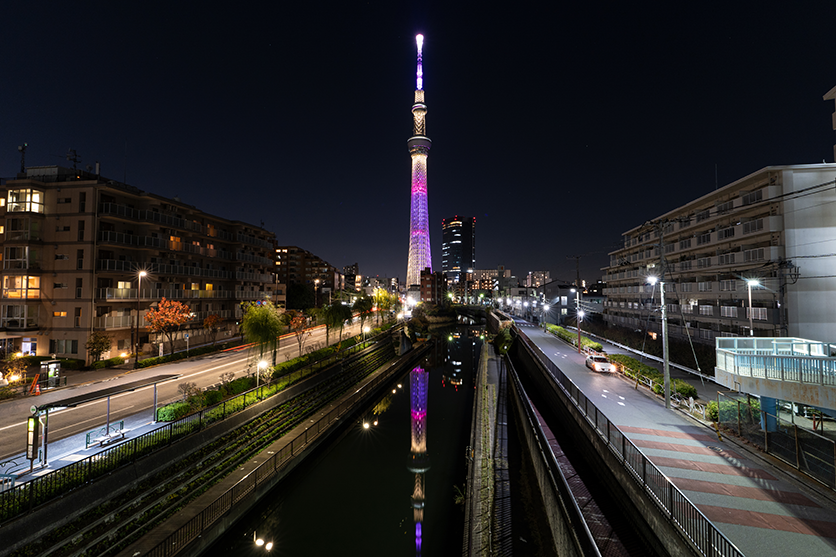
Night and Low-Light Photography
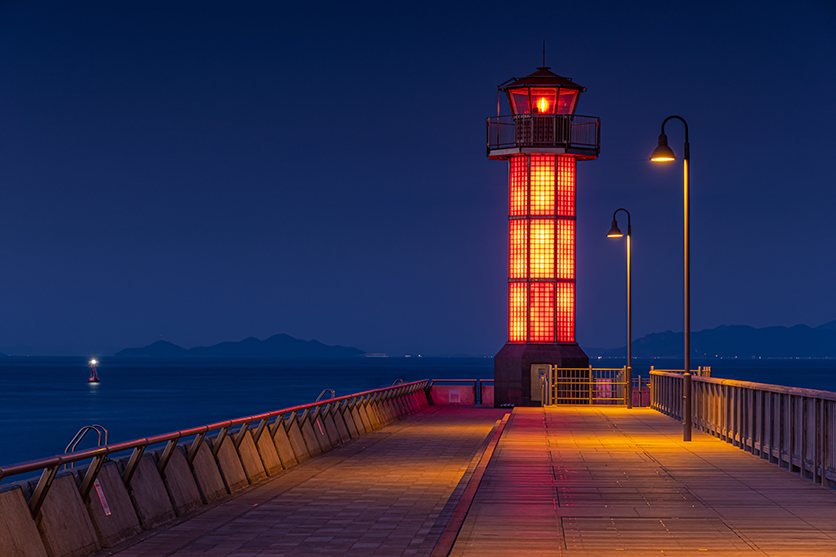
Night photography presents its own challenges.
Dark areas can contain subtle details that may be difficult to preserve, while bright light sources can easily become overexposed.
RAW gives you greater flexibility to adjust the relationship between highlights and shadows during post-processing.
It can also be useful when photographing indoor scenes with strong differences between bright and dark areas.
For important photographs taken in difficult lighting conditions, recording RAW can provide additional flexibility when creating the final image.
High-Contrast Scenes
RAW is particularly useful when a scene contains significant differences between bright and dark areas.
Examples include:
- A person standing beside a bright window
- Buildings photographed under strong sunlight
- Forests with patches of direct sunlight
- Backlit subjects
- Sunsets
- Concerts and events
Instead of relying entirely on the camera’s JPEG processing, RAW gives you more control over how these tonal areas are interpreted during editing.
RAW+JPEG: Why Shoot Both?
You don’t necessarily have to choose between RAW and JPEG.
Many cameras allow you to record RAW+JPEG simultaneously.
This gives you two versions of the same photograph:
RAW:
For extensive editing and long-term flexibility.
JPEG:
For quick sharing, viewing, and everyday use.
RAW+JPEG can be useful for photographers who want the convenience of JPEG while keeping the original RAW data available for photographs that deserve more detailed editing.
For example, you could immediately transfer the JPEG version of a photograph to your smartphone while keeping the RAW file for later processing.
RAW Photography Gives You More Creative Control
The biggest advantage of RAW isn’t simply that it produces a “better” photograph automatically. Instead, it gives you more control over how the final photograph is created.
You can use the additional editing flexibility to develop your own visual style.
A single RAW photograph can be processed in different ways:
- A natural, realistic color treatment
- A high-contrast look
- A softer portrait style
- A dramatic black-and-white conversion
- A bright, colorful social-media look
- A carefully balanced print-oriented edit
Because the original RAW data remains available, you can return to the photograph later and create a different interpretation.
This makes RAW especially valuable for photographs that are important to you or intended for more extensive editing.
RAW or JPEG: Which Should You Use?
The answer depends on how you photograph and what you intend to do with your images.
Choose RAW when:
- You plan to edit your photographs extensively.
- You want greater control over exposure and white balance.
- You’re photographing challenging lighting conditions.
- You want to preserve more image information for future editing.
- You’re creating photographs for professional or high-quality output.
Choose JPEG when:
- You want images that are ready to share immediately.
- You don’t plan to do extensive editing.
- Storage space is limited.
- You need a quick and convenient workflow.
Choose RAW+JPEG when:
- You want both editing flexibility and convenience.
- You need JPEG files for immediate sharing.
- You want to keep RAW files for important photographs.
Create Your Photos With More Flexibility
RAW photography gives photographers greater control over the final appearance of their images. By retaining more information from the camera’s sensor, RAW files provide additional flexibility when adjusting exposure, white balance, color, highlights, shadows, and other aspects of a photograph.
The trade-off is that RAW files are larger and require additional processing. JPEG remains an excellent choice when convenience, smaller files, and immediate sharing are more important.
For photographers who want the flexibility to refine their images later, however, RAW is a powerful part of the digital photography workflow.
Whether you’re photographing landscapes, portraits, night scenes, or everyday moments, understanding the difference between RAW and JPEG will help you choose the recording format that best fits your shooting style.
TAMRON products mentioned in this article