
Ultra-Telephoto Zoom Lens: Guide & Tips
Photographing distant subjects can be challenging. Wildlife may be too far away to approach, athletes may be positioned across a large stadium, and subjects such as airplanes, trains, or the moon can be impossible to capture with a standard lens.
This is where an ultra-telephoto zoom lens can make a significant difference. With a long focal length and narrow angle of view, an ultra-telephoto lens allows you to bring distant subjects closer in the frame while creating distinctive photographic effects such as strong background blur and compression.
Ultra-telephoto zoom lenses are particularly useful for wildlife, sports, airplanes, railways, landscapes, and other subjects that are difficult to approach. They can also be used creatively for portraits, flowers, snapshots, and detailed landscape compositions.
In this guide, we’ll explain what an ultra-telephoto zoom lens is, explore different shooting situations, discuss practical techniques, and look at the important points to consider when choosing one.
What Is an Ultra-Telephoto Zoom Lens?
A telephoto lens generally refers to a lens with a relatively long focal length and narrow angle of view. TAMRON broadly describes lenses around 80mm or longer as telephoto lenses, with lenses around 300mm or longer falling into the ultra-telephoto category.
An ultra-telephoto zoom lens takes this concept further by allowing the photographer to change focal length while maintaining the ability to capture distant subjects.
For example, instead of using a fixed focal length, a zoom lens lets you adjust your framing depending on how far away your subject is. This is particularly useful when photographing moving subjects or situations where changing your physical position is difficult.
The longer focal lengths can:
- Bring distant subjects closer in the frame
- Isolate small subjects against their surroundings
- Produce strong background blur
- Create a compression effect between foreground and background
- Capture details that are difficult to see with the naked eye
- Provide greater flexibility than a fixed focal-length lens
Because of these characteristics, ultra-telephoto zoom lenses are especially useful for wildlife, sports, aircraft, railways, and other distant subjects.
What Can You Photograph With an Ultra-Telephoto Zoom Lens?
An ultra-telephoto zoom lens is not limited to one particular type of photography. Its long focal length opens up a variety of creative possibilities.
1. Wildlife Photography
Wildlife is one of the most obvious applications for an ultra-telephoto lens.
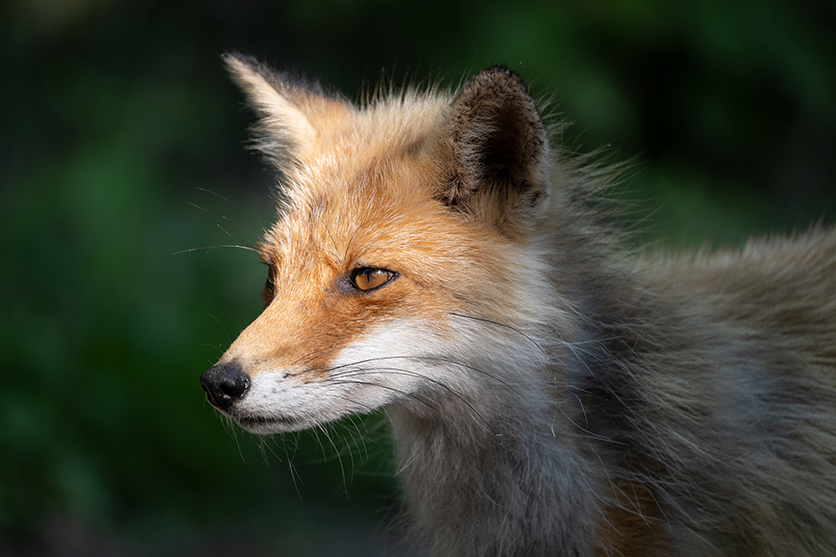
Wild animals and birds may be difficult or inappropriate to approach closely. A long focal length allows photographers to maintain a greater working distance while still filling the frame with the subject.
You can capture details such as:
- Feathers and fur
- Facial expressions
- Eyes and other small details
- Animal behavior
- Birds in flight
- Small animals in their natural environment
The ability to zoom also makes it easier to adjust your composition when the subject moves.
For moving wildlife, autofocus performance becomes particularly important. A lens with fast, accurate AF and good subject-tracking performance can help maintain focus as the subject moves through the frame.
2. Sports Photography
Sports photographers often need to work from a fixed position, particularly when shooting from spectator areas or designated photography locations.
An ultra-telephoto zoom lens can help you photograph players or athletes from a distance while changing the composition as the action develops.
At longer focal lengths, you can capture:
- Full-body action
- Facial expressions
- Athletic movements
- Moments between players
- Details that would otherwise be difficult to see
For fast-moving sports, autofocus tracking and shutter speed are especially important. A fast shutter speed can help reduce subject motion blur, while responsive autofocus helps keep moving subjects sharp.

3. Landscapes and Distant Details
Wide-angle lenses are often associated with landscape photography, but an ultra-telephoto lens can provide an entirely different perspective.
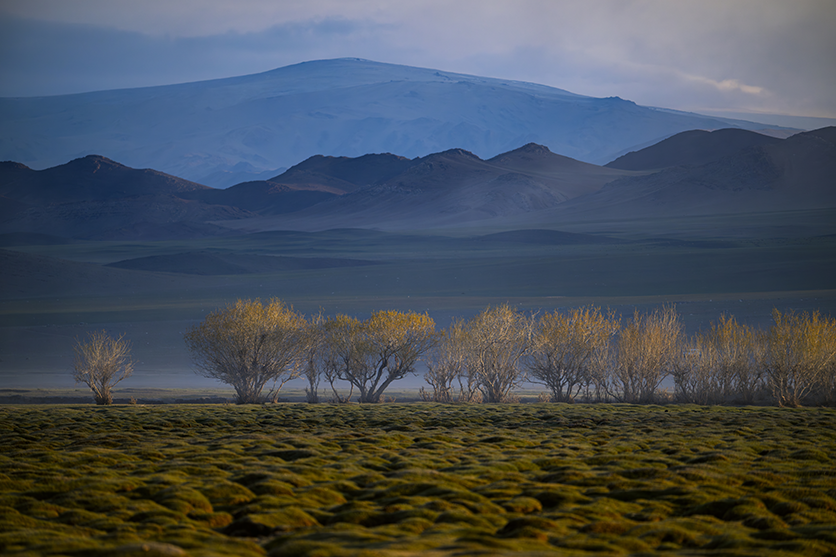
Rather than photographing an entire landscape, you can isolate a specific part of the scene, such as:
- Distant mountain ridges
- A single tree
- Architectural details
- Layers of hills
- A structure surrounded by scenery
- Light reflecting on distant water
The narrow angle of view allows you to simplify a busy landscape by removing distracting elements from the frame.
This makes an ultra-telephoto lens particularly useful when you want to emphasize patterns, layers, shapes, or distant details.
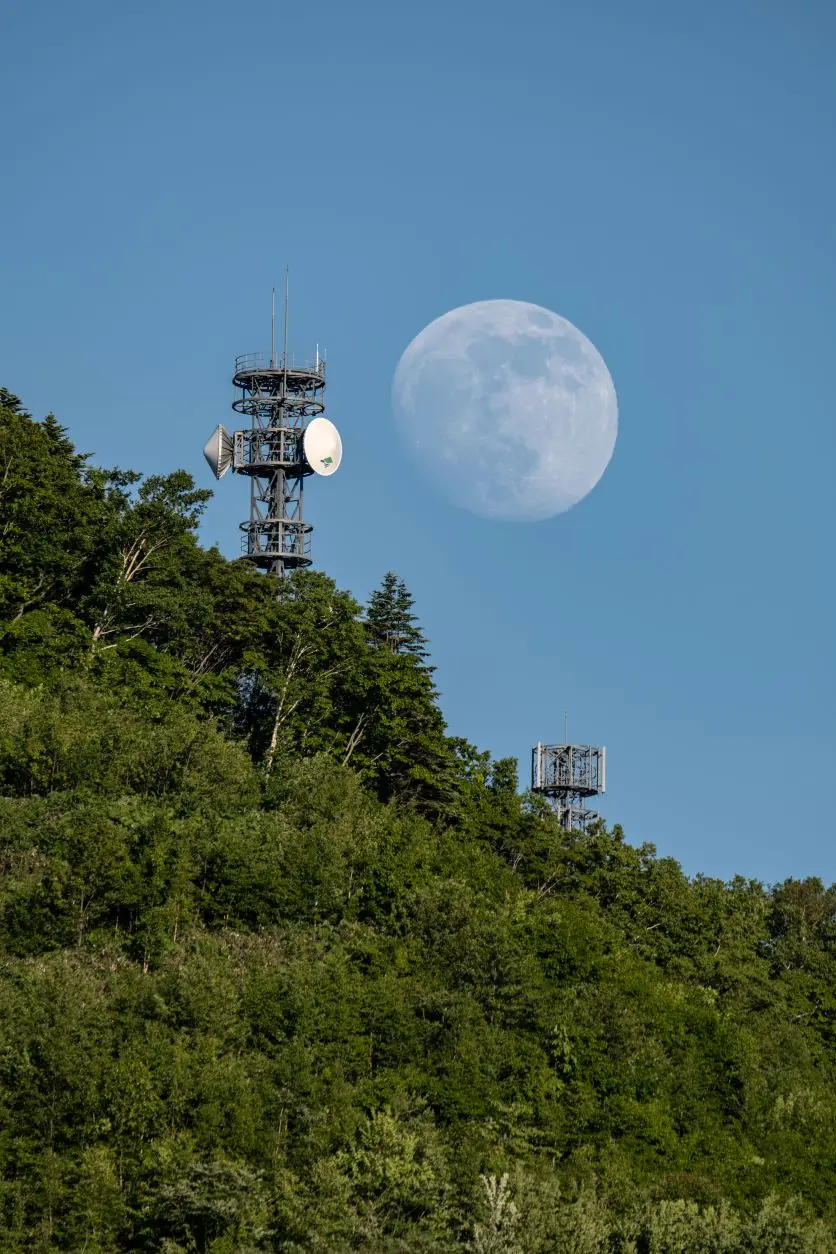
4. Moon Photography
The moon is another classic subject for an ultra-telephoto lens.
Because the moon occupies only a small portion of the sky, a long focal length makes it easier to enlarge the moon within the frame and reveal surface details.
You can also combine the moon with elements in the surrounding landscape. For example, you can photograph the moon near:
- Mountains
- Buildings
- Trees
- Towers
- City structures
Using different focal lengths and shooting positions can dramatically change the apparent relationship between the moon and the foreground.
5. Airplane Photography
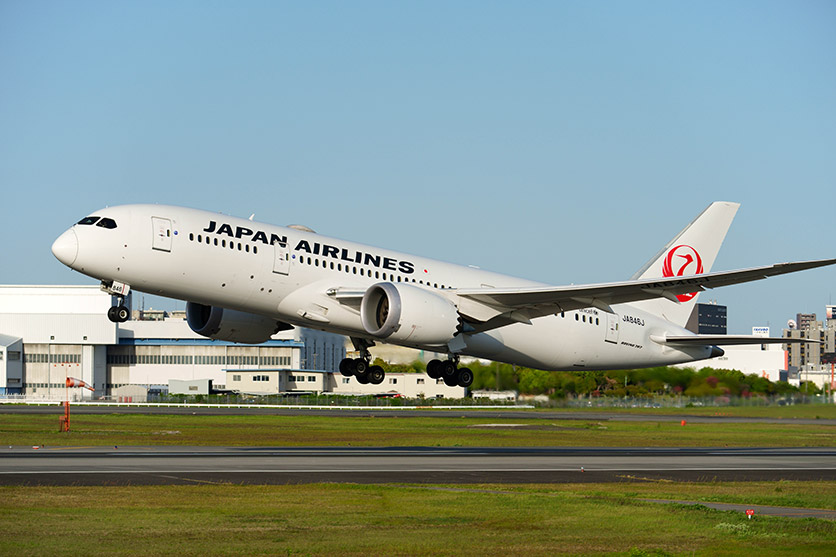
Airplanes are another subject that benefits from a long focal length because photographers usually cannot get physically close to them while they are in flight.
An ultra-telephoto zoom lens can be used to capture the entire aircraft, or you can zoom in on specific details such as the cockpit, engines, wings, or landing gear.
Shooting during sunrise or sunset can also introduce color into the sky and create a more dramatic relationship between the aircraft and its surroundings.
6. Railway Photography
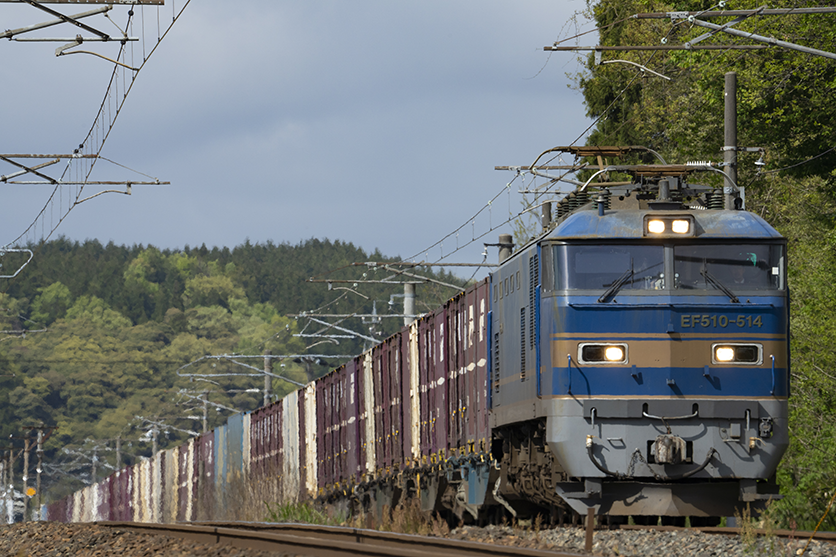
Ultra-telephoto lenses can create particularly interesting compositions when photographing trains.
One technique is to use the compression effect to visually bring a distant train and background elements closer together. Mountains, buildings, trees, or other parts of the landscape can appear more densely packed within the frame.
This can create a completely different impression from what you see with the naked eye.
7. Flowers, Small Subjects, and Close-Ups
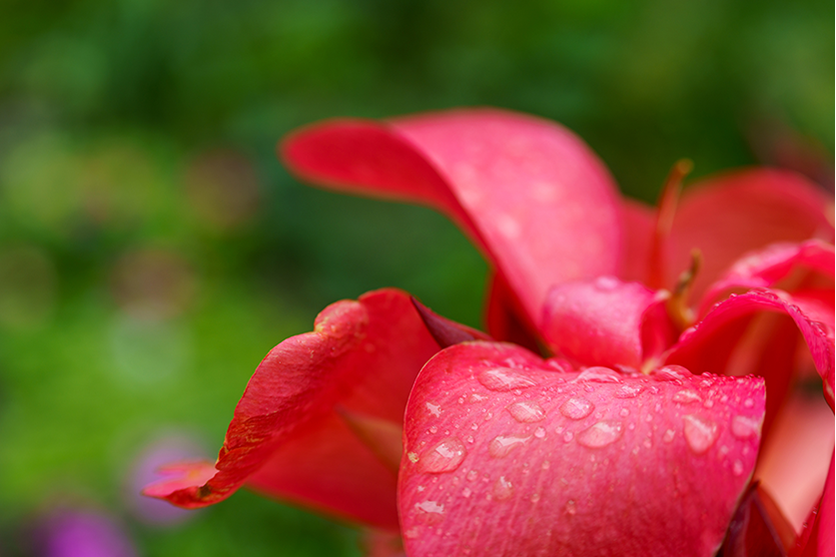
An ultra-telephoto lens does not necessarily have to be used for extremely distant subjects.
Some lenses offer a relatively short minimum shooting distance, allowing you to photograph flowers, small animals, and other subjects from relatively close distances.
Combined with a long focal length, this can produce strong subject isolation and soft background blur.
Four Key Characteristics of Ultra-Telephoto Zoom Lenses
Understanding the characteristics of an ultra-telephoto lens can help you make better use of it.
1. Bringing Distant Subjects Closer
The primary advantage is straightforward: a long focal length allows distant subjects to occupy more of the frame.
This is particularly valuable when physical access is limited or when approaching the subject would disturb the scene.
Wildlife, birds, athletes, airplanes, trains, and distant architectural details can all benefit from this characteristic.
2. A Narrow Angle of View
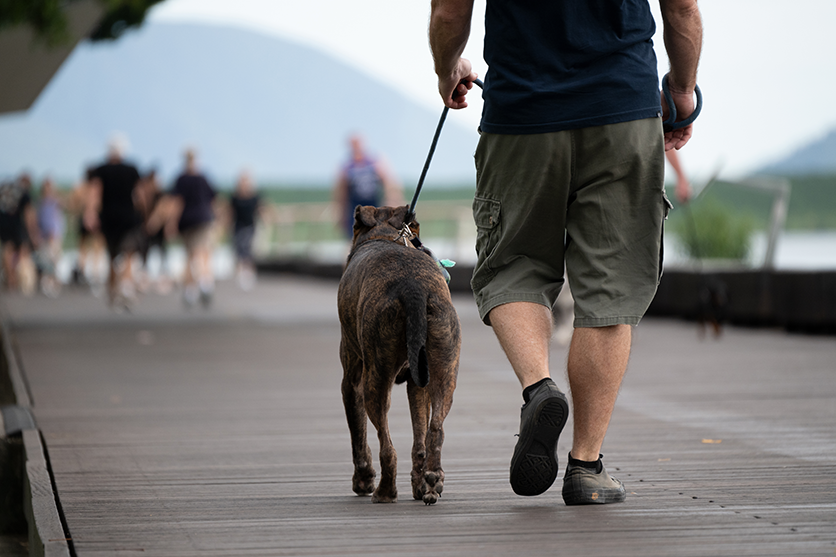
As focal length increases, the angle of view becomes narrower.
This allows you to isolate a particular portion of a scene rather than including everything around your subject.
For landscape photography, this can be used to remove distractions and emphasize distant details. For wildlife, it can help keep the composition focused on the animal.
3. Strong Background Blur
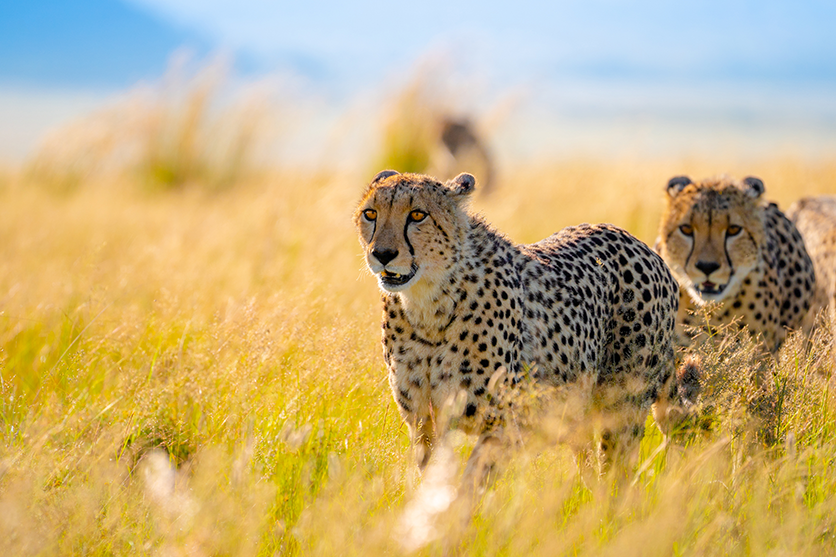
Long focal lengths can produce significant background blur, especially when combined with a relatively wide aperture and appropriate subject-to-background distance.
This can help separate the subject from its surroundings.
For example, a bird against foliage can stand out more clearly when the background becomes a soft, blurred mass of color.
Point light sources can also appear as attractive circular or rounded bokeh, depending on the lens design and shooting conditions.
4. Compression Effect
Telephoto lenses can create a visual effect commonly referred to as compression.
Instead of appearing widely separated in depth, foreground and background elements can appear visually closer together.
This can be particularly effective when photographing:
- Mountain layers
- Buildings
- Trains
- City streets
- Crowds
- Landscapes
Changing your shooting position and focal length can produce noticeably different results, even when photographing the same subject.
Tips for Using an Ultra-Telephoto Zoom Lens
Long focal lengths can be rewarding, but they also require careful technique.
Use a Tripod When Appropriate
At very long focal lengths, even small camera movements can become visible in the photograph.
For stationary subjects such as landscapes, architecture, or the moon, a tripod can provide additional stability.
However, a tripod is not always the best option. When photographing birds, wildlife, or sports, the subject can move unpredictably. Handheld shooting may allow you to react more quickly.
When shooting handheld, support the camera and lens firmly with both hands and maintain a stable shooting position.
Make Use of Image Stabilization
Image stabilization can be particularly useful with ultra-telephoto lenses.
Because camera shake becomes more noticeable as focal length increases, an in-lens stabilization system can help produce sharper images during handheld shooting. TAMRON refers to this technology as VC, or Vibration Compensation, on applicable lenses.
When choosing a lens, check not only whether stabilization is available but also how it is implemented and whether different stabilization modes are provided.
Use an Appropriate Shutter Speed
Subject movement and camera shake are two separate considerations.
When photographing a stationary subject, stabilization can help reduce camera movement. When photographing a moving bird or athlete, however, you also need a sufficiently fast shutter speed to freeze the subject’s movement.
For fast-moving subjects, increase shutter speed as necessary and adjust ISO and aperture to maintain appropriate exposure.
Watch Your Exposure
Many ultra-telephoto zoom lenses have maximum apertures that become smaller as you zoom toward the telephoto end.
This means that less light may reach the camera sensor at longer focal lengths.
When shooting in dim conditions, you may need to increase ISO or use a slower shutter speed when the subject allows it.
Exposure requirements will vary depending on the lens, lighting, subject movement, and desired result, so use the camera’s exposure information as a guide rather than relying on one fixed setting.
Pay Attention to the Background
With a narrow angle of view, small changes in framing can have a large effect on the final photograph.
Don’t concentrate only on the subject. Look carefully at what appears behind it.
Try changing:
- Your shooting position
- Camera height
- Focal length
- Subject-to-background distance
- The direction of the camera
A small adjustment can remove distractions or introduce a more interesting background.
How to Choose an Ultra-Telephoto Zoom Lens
When selecting an ultra-telephoto zoom lens, consider how and where you actually plan to use it.
1. Focal Length
Consider the distance between you and your typical subjects.
A lens reaching approximately 400mm to 500mm can provide substantial reach for wildlife, birds, sports, and other distant subjects.
However, a wider starting focal length can make the lens more versatile.
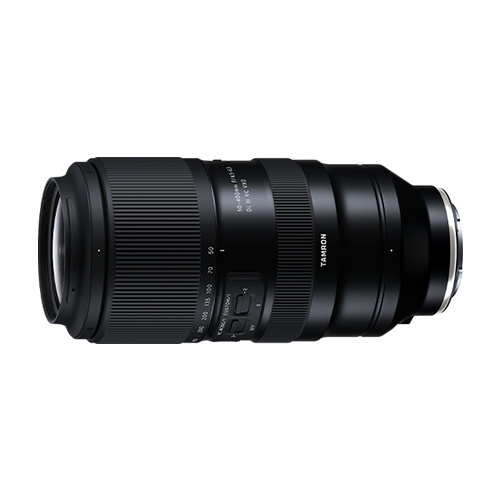
For example, the TAMRON 50-400mm F/4.5-6.3 Di III VC VXD (Model A067) combines a 50mm starting point with a 400mm telephoto end. This provides an 8x zoom range and allows the lens to move from a relatively wide perspective to ultra-telephoto framing.
2. Maximum Aperture
The maximum aperture affects both exposure and creative control.
A lens with a wider maximum aperture can allow more light to reach the sensor, which can be useful when shooting in lower-light conditions or when you need faster shutter speeds.
A wider aperture can also help create shallower depth of field and stronger background blur.
However, aperture is only one factor. When comparing lenses, consider it alongside focal length, weight, stabilization, AF performance, and the conditions in which you normally shoot.
3. Weight and Size
Ultra-telephoto lenses can become large and heavy because of their long focal lengths and optical construction.
If you plan to shoot handheld, travel with the lens, or spend several hours outdoors, size and weight can have a significant effect on usability.
A more compact lens can make it easier to carry your equipment and respond quickly to changing subjects.
The TAMRON A067, for example, reaches 400mm while maintaining a 50mm starting focal length and a relatively compact design for its class.
4. Autofocus Performance
AF performance becomes especially important when photographing moving subjects.
For wildlife, birds, and sports, look for:
- Fast focusing
- Accurate focusing
- Reliable subject tracking
- Consistent performance during movement
- Quiet operation when photographing sensitive subjects
A responsive autofocus system can make it easier to maintain focus while the subject moves through the frame.
5. Image Stabilization
Image stabilization is an important feature for long focal lengths.
Check whether the lens includes in-lens stabilization and consider how effective it is for your intended shooting situations.
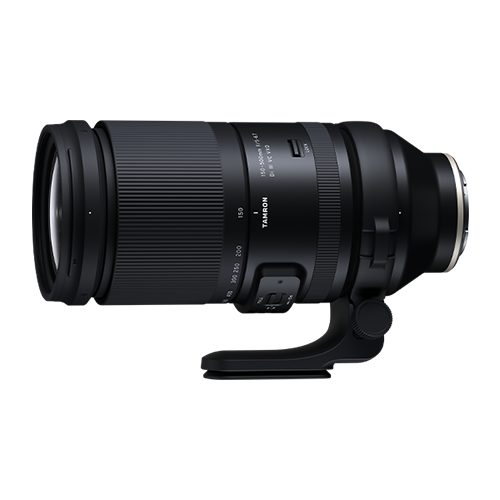
For example, the TAMRON 150-500mm F/5-6.7 Di III VC VXD (Model A057) includes VC image stabilization and is designed to provide a compact way of reaching 500mm. It is available for Sony E and Canon RF mounts in the current TAMRON Philippines lineup.
6. Minimum Shooting Distance
Minimum shooting distance is worth considering if you want to use the lens for more than distant subjects.
A shorter minimum shooting distance can allow you to photograph flowers, small animals, and other subjects from relatively close distances.
This adds another layer of versatility to an ultra-telephoto zoom lens.
Make the Most of Ultra-Telephoto Photography
An ultra-telephoto zoom lens gives photographers the ability to photograph subjects that would otherwise remain small or inaccessible.
Its long focal length can bring distant wildlife closer, capture decisive moments in sports, reveal details in landscapes, photograph aircraft and trains, and produce creative images using background blur and compression.
However, choosing an ultra-telephoto lens is not simply about selecting the longest focal length available. Consider the subjects you photograph, the distances involved, and how you normally work.
Pay attention to focal length, maximum aperture, autofocus performance, image stabilization, minimum shooting distance, size, and weight. These factors can have a major effect on both image quality and how comfortably you can use the lens.
With the right combination of lens and technique, ultra-telephoto photography can reveal details and perspectives that are difficult to see with the naked eye.
TAMRON products mentioned in this article