
What Is a Macro Lens? How to Choose the Right One and What to Photograph
Have you ever looked closely at a flower and noticed details that are almost impossible to see from a distance? Or noticed the intricate patterns on an insect’s wings, the texture of a leaf, or tiny water droplets sitting on a surface?
A macro lens allows you to photograph these small subjects in much greater detail.
Unlike an ordinary lens, a macro lens is specifically designed for close-up photography. It allows you to focus relatively close to your subject while providing high magnification and detailed image quality.
This makes macro lenses particularly useful for photographing flowers, insects, water droplets, food, small objects, and many other subjects where fine details are important.
But macro lenses aren’t limited to photographing tiny subjects.
Depending on the focal length, a macro lens can also be useful for portraits, everyday photography, landscapes, and other situations where you want beautiful background blur and detailed rendering.
So, what is a macro lens, and what should you look for when choosing one?
In this guide, we’ll explain the characteristics of macro lenses, including magnification, minimum object distance, working distance, focal length, and aperture. We’ll also introduce recommended shooting situations and practical tips for getting more out of your macro lens.
What Is a Macro Lens?
A macro lens is a lens designed specifically for close-up photography.
It allows you to photograph relatively small subjects at a much larger size in the final image, revealing details that may not be obvious to the naked eye.
Macro lenses are generally prime lenses, although the defining characteristic isn’t simply whether the lens is a prime or zoom lens.
What makes a lens suitable for macro photography is its ability to focus closely and achieve relatively high magnification.
There is no single universal definition of a macro lens, but lenses capable of approximately 1:2 to 1:1 maximum magnification are commonly associated with macro photography. TAMRON explains that macro lenses are characterized by short minimum object distances and relatively high magnification.
This allows you to fill a large portion of the frame with a small subject.
For example, instead of photographing an entire flower, you can photograph only its petals and reveal their texture.
Instead of photographing an insect from a distance, you can capture details such as its eyes, wings, or body texture.
That’s the appeal of a macro lens.
What Is Close Range Photography?
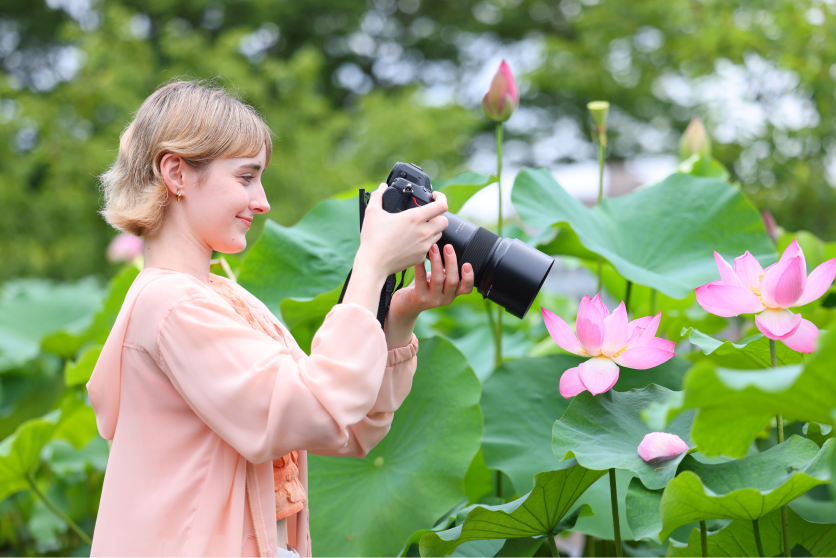
Close-up or close range photography is the practice of photographing a subject from a relatively short distance so that it occupies a large portion of the frame.
Macro photography takes this concept further by providing high magnification and specialized close-focusing performance.
Small subjects can therefore become the main focus of the photograph.
Some examples include:
- Flower petals
- Insects
- Leaves
- Water droplets
- Food
- Jewelry
- Small products
- Textures
- Antiques
- Everyday objects
The smaller the subject, the more useful high magnification becomes.
Understanding Macro Lens Magnification
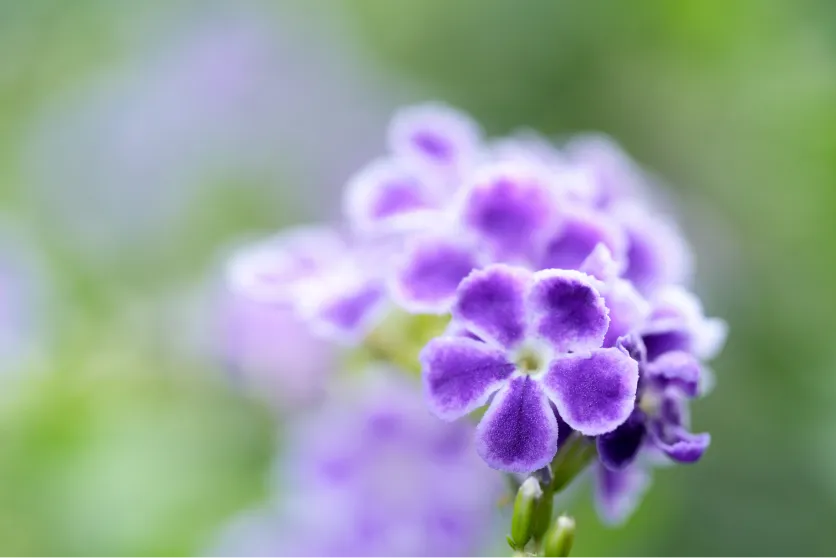
One of the most important specifications to understand when choosing a macro lens is maximum magnification.
Magnification describes how large the subject is reproduced on the camera’s image sensor.
For example, a 1:1 magnification ratio means that a subject measuring 10mm in real life can be projected onto the sensor at approximately 10mm.
This is commonly referred to as life-size or equal magnification.
A 1:2 magnification ratio, on the other hand, means that a 10mm subject is reproduced at approximately 5mm on the sensor.
Both can be useful.
The appropriate magnification depends on the size of the subject and how much detail you want to capture.
What Is 1:1 Macro?
A 1:1 macro lens can reproduce a subject at approximately life size on the camera sensor.
This makes it particularly useful when you want to capture very fine details.
For example:
- Insect eyes
- Flower structures
- Small textures
- Tiny objects
- Water droplets
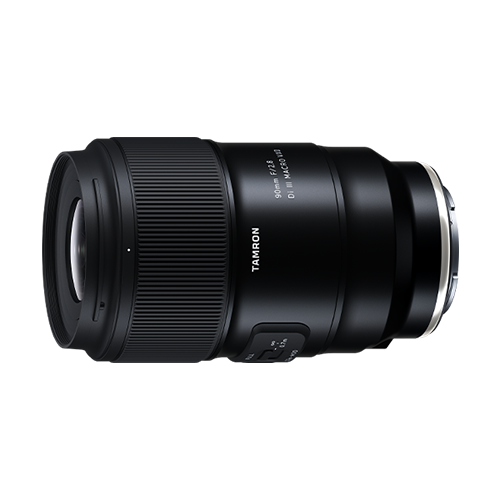
The TAMRON 90mm F2.8 Di III MACRO VXD (Model F072), for example, provides 1:1 magnification and is designed specifically for detailed close-up photography.
With this type of magnification, even a small subject can fill a significant portion of the frame.
What Is 1:2 Macro?
A 1:2 macro lens produces an image on the sensor approximately half the size of the actual subject.
This is sometimes referred to as half-macro.
While it provides less magnification than 1:1, it can still produce impressive close-up images.
A 1:2 lens can also be particularly useful when you want to include more of the surrounding environment.
This can create a different visual style from a tightly framed 1:1 macro photograph.
Minimum Object Distance vs Working Distance
Two specifications can be confusing when you’re looking at macro lenses:
Minimum Object Distance (MOD) and working distance.
They aren’t the same thing.
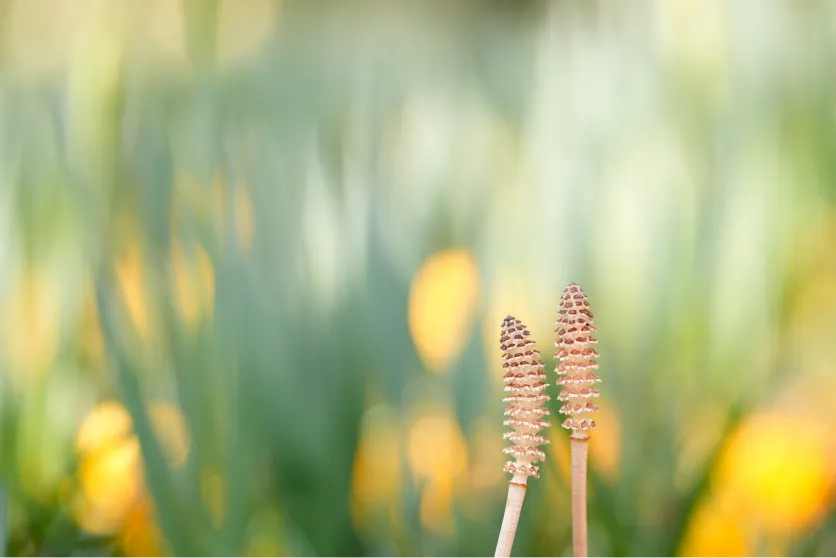
Minimum Object Distance refers to the shortest focusing distance measured from the camera’s sensor position to the subject.
Working distance refers to the actual physical space between the front of the lens and the subject when the lens is focused at its closest distance.
This distinction is particularly important when photographing living subjects.
For example, if you’re photographing an insect, getting extremely close to it may cause it to fly away.
A longer macro lens can allow you to maintain more distance while still achieving significant magnification.
TAMRON explains this distinction using its 90mm macro lens, which provides a greater working distance than shorter macro designs.
Why Focal Length Matters When Choosing a Macro Lens
Macro lenses come in different focal lengths, and the focal length affects how you work with your subject.
A shorter macro lens allows you to physically approach the subject more closely.
This can be useful for:
- Tabletop photography
- Food
- Small products
- Objects
- Everyday close-ups
A longer macro lens allows you to maintain more distance from the subject.
This can be particularly helpful when photographing:
- Insects
- Flowers
- Small wildlife
- Subjects that are easily disturbed
For example, a 90mm macro lens provides a useful balance between magnification and working distance.
The longer focal length can make it easier to photograph insects without placing the front of the lens extremely close to them.
Macro Lenses Can Do More Than Macro Photography
One of the misconceptions about macro lenses is that they’re useful only for photographing tiny objects.
That’s not necessarily the case.
A macro lens can also be used for many other types of photography.
Depending on its focal length and design, you can use it for:
- Portraits
- Food photography
- Product photography
- Still life
- Landscape details
- Street photography
- Everyday snapshots
The ability to focus closely is an additional capability rather than a limitation.
A 90mm macro lens, for example, can also be used as a short telephoto lens for portraits.
The longer focal length can provide flattering perspectives while the wide aperture can create smooth background blur.
TAMRON specifically notes that telephoto macro lenses can be useful for portraits and landscapes in addition to close-up subjects.
The Beautiful Bokeh of a Macro Lens
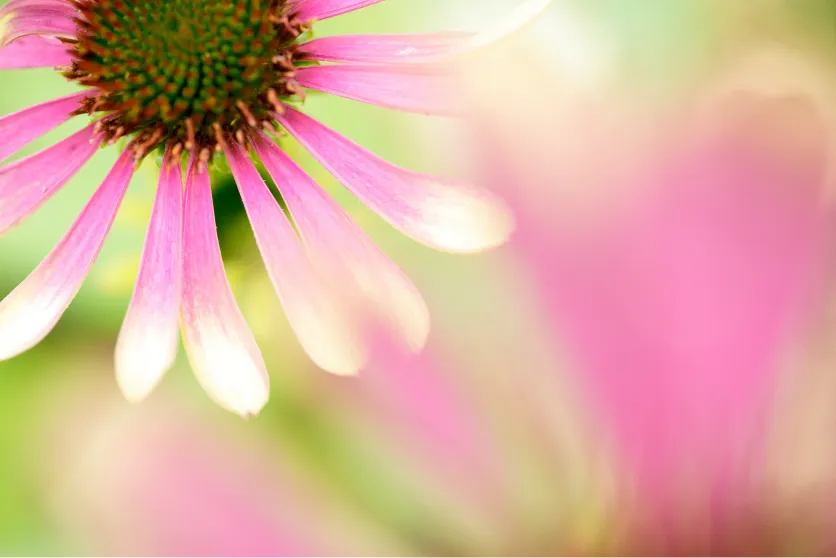
Another appealing characteristic of many macro lenses is their ability to produce smooth background blur.
When shooting at close distances, depth of field can become extremely shallow.
This allows you to isolate a small part of the subject while allowing the background to gradually disappear into soft blur.
For example, when photographing a flower, you might focus on the center of the flower while allowing the surrounding petals and background to become softer.
This can create a simple and visually clean photograph.
A wide maximum aperture can further enhance this effect.

Why Depth of Field Is So Important
One of the biggest challenges when using a macro lens is shallow depth of field.
When you’re photographing a subject extremely close to the lens, even a small change in focus can make a noticeable difference.
For example, when photographing an insect, you may focus on its eyes while the rest of its body gradually becomes out of focus.
This isn’t necessarily a problem.
In fact, it can be an important creative tool.
However, you need to be deliberate about which part of the subject you want to keep sharp.
How to Focus With a Macro Lens
Accurate focusing is extremely important for close-up photography.
Autofocus can be useful, especially when photographing moving subjects, but manual focus can sometimes provide more precise control.
This is particularly true when:
- The subject is extremely close
- Depth of field is very shallow
- The subject has low contrast
- The camera is struggling to lock onto the intended detail
When using manual focus, carefully adjust the focus ring while watching the subject through the viewfinder or rear screen.
You can also use focus magnification if your camera provides it.
Take several photographs with slightly different focus positions.
This is especially useful when you’re still learning how shallow depth of field behaves at macro distances.
Recommended Subjects for a Macro Lens
Now that we’ve covered the characteristics of a macro lens, let’s look at some subjects that are particularly fun to photograph.
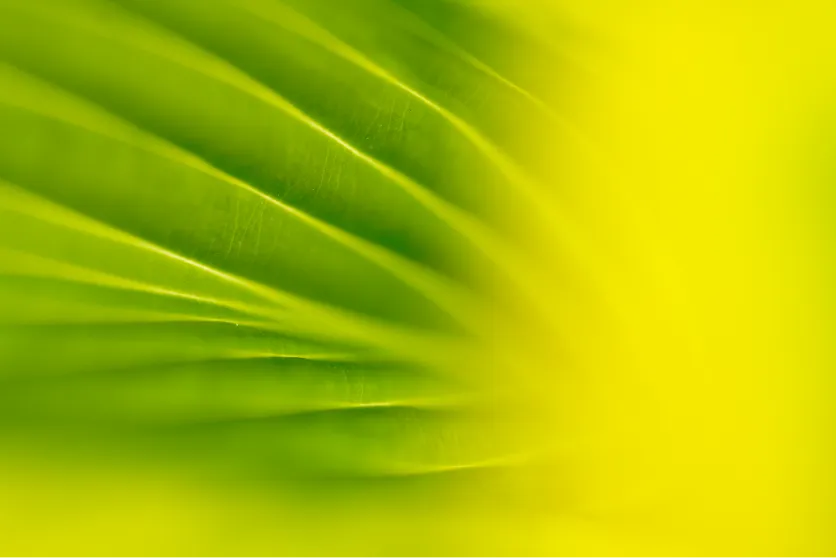
1. Flowers and Plants
Flowers are one of the easiest subjects to start with.
They’re stationary, widely available, and filled with interesting details.
Instead of photographing the entire flower, move closer and look for smaller elements.
Try photographing:
- Petals
- Stamens
- Pollen
- Leaf textures
- Flower centers
- Dew drops
Experiment with different angles.
Photographing a flower from the side can create a completely different image from photographing it from above.
2. Insects
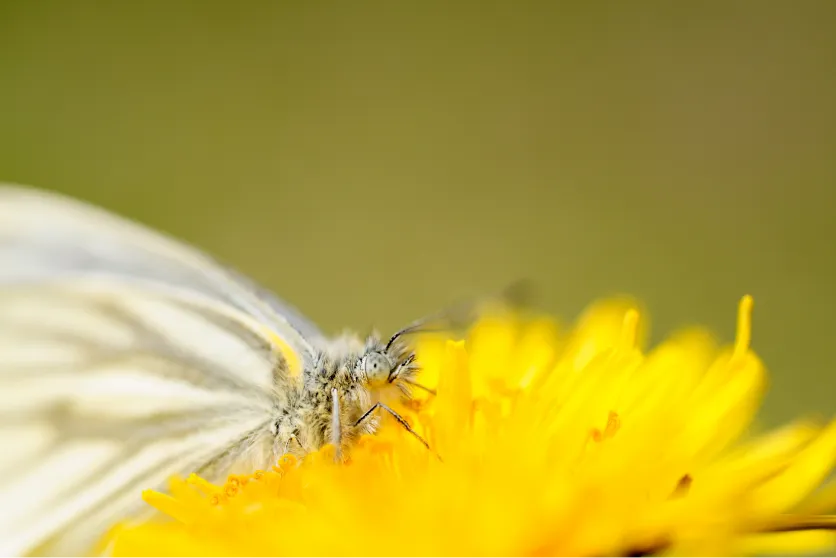
Macro lenses are particularly useful for photographing insects.
Dragonflies, butterflies, bees, beetles, and other insects can reveal fascinating details when photographed up close.
However, insects can be difficult subjects because they move.
A longer macro lens can be useful because it allows you to maintain some distance.
Try photographing insects early in the morning when they may be less active.
Move slowly.
Avoid sudden movements.
Take several photographs.
Even if some frames are out of focus, you may find one photograph where the insect’s eyes and important details are perfectly sharp.
3. Water Droplets
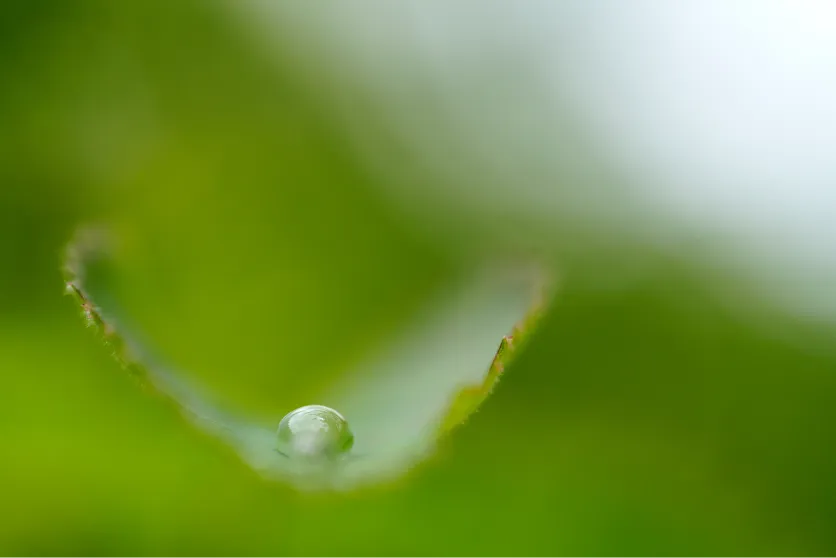
Water droplets can become fascinating macro subjects.
After rain, look closely at:
- Leaves
- Flowers
- Grass
- Spider webs
- Glass
- Other reflective surfaces
A single water droplet can act almost like a tiny lens, reflecting its surroundings.
Try changing your angle to see how the reflection changes.
A fast shutter speed can also help freeze small movements or droplets.
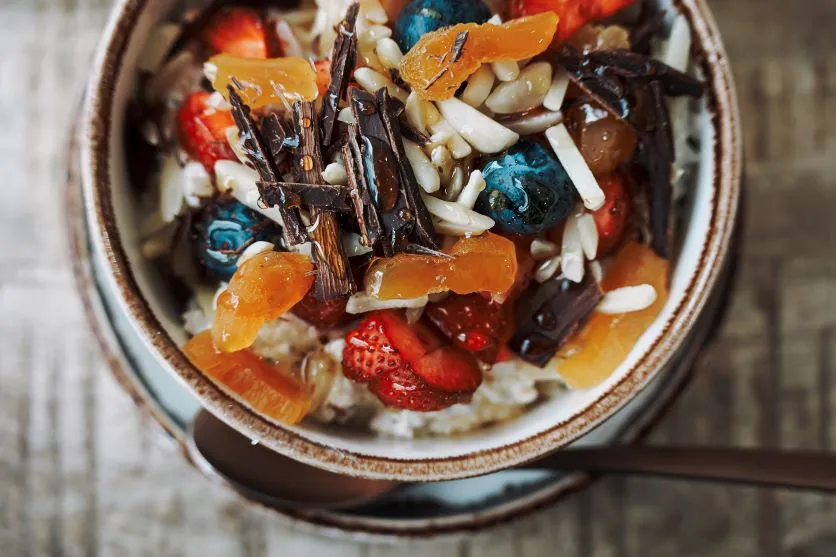
4. Food Photography
Macro lenses can also be useful for food photography.
Move close to your subject and highlight details such as:
- Texture
- Steam
- Ingredients
- Surface patterns
- Sauces
- Garnishes
Instead of photographing an entire plate, focus on one visually interesting element.
A shallow depth of field can help isolate the subject and create a more intimate photograph.

5. Small Objects
You don’t need to photograph flowers or insects to enjoy a macro lens.
Look around your home.
You may find interesting subjects in:
- Jewelry
- Watches
- Coins
- Camera equipment
- Books
- Fabrics
- Handcrafted objects
- Collectibles
Small objects can reveal textures and details that aren’t normally noticed.
Try experimenting with side lighting to emphasize surface texture.
6. Antiques and Textures
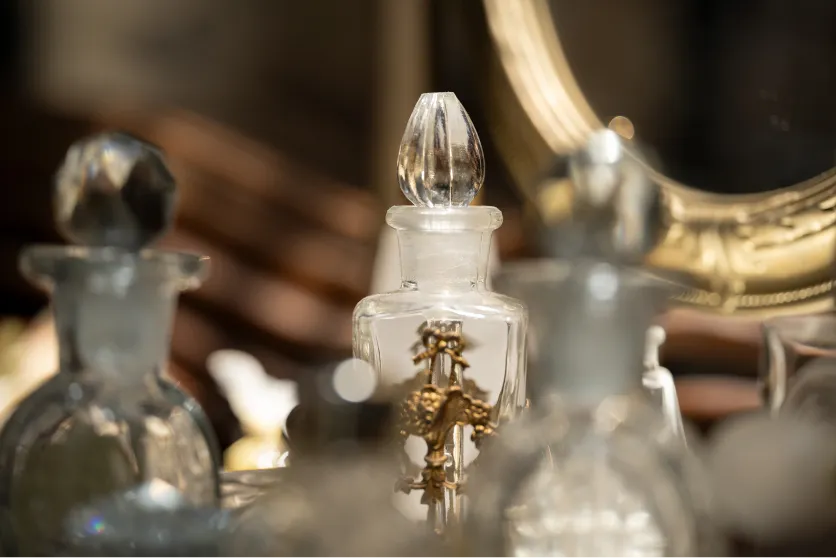
Old objects can become particularly interesting when photographed up close.
Look for:
- Wood grain
- Metal textures
- Worn surfaces
- Engravings
- Leather
- Paper
- Paint
- Fabric
A macro lens allows you to turn an ordinary object into an abstract composition.
Instead of showing the viewer what the object is, show them a detail that makes them curious.

7. Tabletop Photography
Macro lenses can also be useful for tabletop photography.
You can arrange several small objects on a table and photograph them from different distances and angles.
This can be useful for:
- Product photography
- Food
- Crafts
- Still life
- Social media content
Shorter macro lenses can be especially useful when you’re working in a confined space.
How to Choose the Right Macro Lens
When choosing a macro lens, don’t look only at magnification.
Consider how you actually plan to use the lens.
Here are the most important characteristics to compare.
1. Maximum Magnification
First, determine how much magnification you need.
If you want to capture very small details, a 1:1 macro lens can be particularly useful.
If you want a little more breathing room and don’t need extreme close-ups, a 1:2 lens may still provide excellent results.
Think about your subjects before deciding.
2. Focal Length
Focal length affects both your composition and working distance.
Shorter macro lenses are useful when:
- You’re working indoors
- You’re photographing objects
- You have limited space
- You want to get very close
Longer macro lenses are useful when:
- You’re photographing insects
- Your subject is easily disturbed
- You want more working distance
- You also want to use the lens for portraits
3. Maximum Aperture
A wide maximum aperture can provide several benefits.
For example, an F2.8 macro lens can provide:
- More light
- Greater background blur
- Better low-light performance
- More creative control over depth of field
However, remember that shooting extremely close at F2.8 can produce an extremely shallow depth of field.
You don’t always need to use the widest aperture.
Try stopping down when you need more of the subject to remain sharp.
4. Resolution and Optical Performance
Macro photography reveals details very clearly.
That means optical performance matters.
Look for a lens that can provide strong detail and good contrast throughout the frame.
A lens with high resolving performance can help you capture fine textures in subjects such as:
- Insects
- Flowers
- Product details
- Textures
- Small objects
The TAMRON 90mm F2.8 Di III MACRO VXD, for example, is designed around high-resolution close-up photography and incorporates a 12-blade circular aperture for smooth bokeh and distinctive rendering.
5. Autofocus Performance
Although manual focus is often useful for macro photography, autofocus still matters.
Fast and accurate AF can be helpful when photographing:
- Moving insects
- Flowers in the wind
- People
- Everyday subjects
If you plan to use the lens for portraits or other general photography, autofocus becomes even more important.
A macro lens that focuses smoothly and accurately gives you more flexibility beyond close-up work.
6. Focus Ring Operation
Because manual focusing is common in macro photography, the focus ring is an important part of the shooting experience.
You may need to make very small adjustments to get exactly the part of your subject you want into focus.
A focus ring that is easy to control can therefore make a noticeable difference.
7. Size and Weight
Macro photography often involves spending a lot of time moving around outdoors.
You might walk through:
- Gardens
- Forests
- Parks
- Fields
- Trails
A compact and lightweight lens can make these shooting sessions more comfortable.
Portability also matters if you’re traveling.
A lens that’s easy to carry is more likely to come with you when an interesting photographic opportunity appears.
8. Moisture Resistance
If you photograph plants, flowers, or insects outdoors, you may encounter:
- Morning dew
- Rain
- Wet leaves
- Water droplets
- Humid conditions
A lens with moisture-resistant construction can provide additional protection when shooting in these environments.
It doesn’t mean the lens is waterproof.
However, it can be an important feature to consider if you regularly photograph outdoors.
Macro Lens vs Prime Lens
Another common question is:
What’s the difference between a macro lens and a prime lens?
A prime lens has a fixed focal length.
For example:
- 35mm
- 50mm
- 90mm
A macro lens can also be a prime lens.
However, being a prime lens doesn’t automatically make a lens a macro lens.
The important difference is close-focusing capability and magnification.
A standard 50mm prime may have a fixed focal length but may not focus close enough to achieve the magnification expected from a macro lens.
A macro lens is specifically designed to provide stronger close-up performance.
Macro Lens vs Telephoto Lens
Macro and telephoto lenses can sometimes overlap in their uses, but they’re designed with different priorities.
A telephoto lens is primarily designed to capture distant subjects.
A macro lens is designed to provide high magnification and close focusing.
Some macro lenses use telephoto focal lengths, such as 90mm.
This gives them two useful characteristics:
Telephoto perspective + close-up capability
That’s why a 90mm macro lens can be useful for both insects and portraits.
Macro Lens vs Standard Lens
A standard lens can often focus relatively close, but it may not provide the same magnification as a dedicated macro lens.
If you simply want to photograph a flower as part of a larger scene, a standard zoom may be sufficient.
But if you want to photograph the fine structure of the flower itself, a macro lens provides much greater flexibility.
Think about the level of detail you want to capture.
Tips for Getting Better Results With a Macro Lens
Once you’ve chosen a macro lens, the next step is learning how to use it effectively.
Get Your Focus Point Right
Don’t simply focus on the center of the subject.
Think about what detail matters most.
For a flower, it could be the center.
For an insect, it could be the eyes.
For a product, it could be a logo or texture.
Try Different Apertures
Start with a wide aperture if you want strong background blur.
Then try stopping down.
You may find that F4, F5.6, or F8 gives you enough additional depth of field to keep more of your subject sharp.
Don’t assume the widest aperture will always produce the best photograph.
Move Your Camera Instead of Only Turning the Focus Ring
When working at very close distances, even a small change in camera position can dramatically affect focus.
Try moving your body or camera slightly forward and backward while keeping the focus point aligned with your subject.
This can be especially helpful when using manual focus.
Watch Your Background
Macro photography often creates very soft backgrounds.
That doesn’t mean the background doesn’t matter.
Look at its:
- Color
- Brightness
- Texture
- Shape
- Distance from the subject
A distracting bright area can pull attention away from the subject.
A simple, complementary background can make the subject stand out.
Use Color Contrast
One of the easiest ways to make a macro photograph stand out is to use contrasting colors.
For example:
Yellow flower + green background
or
Red subject + blue background
The contrast makes the subject easier to distinguish.
You can also deliberately use similar colors.
A green subject against a soft green background can create a calm, harmonious photograph.
The choice depends on the mood you want.
Try Symmetrical Compositions
Macro subjects often contain interesting patterns.
Flowers are a good example.
Try photographing the subject directly from the front or above and look for symmetry.
You can also use repeating shapes and patterns to create an abstract image.
This can produce photographs that look completely different from conventional close-up images.
Experiment With Backlighting
Light coming from behind the subject can reveal details that aren’t immediately visible under front lighting.
Try backlighting:
- Flower petals
- Leaves
- Grass
- Insects
- Water droplets
Backlighting can make translucent subjects glow.
Be careful about exposure because bright areas can easily become overexposed.
Shoot at Different Times of Day
The same subject can look completely different depending on the time of day.
Early morning can provide:
- Soft light
- Dew
- Less wind
- Quiet surroundings
Late afternoon can provide:
- Warm light
- Long shadows
- Golden tones
Overcast weather can provide:
- Soft illumination
- Reduced contrast
- Even lighting
Try returning to the same location under different conditions.
You may discover completely different photographs each time.
Which Macro Lens Is Right for You?
The right macro lens depends on what you want to photograph.
For insects and flowers
Consider a longer macro lens such as a 90mm macro.
The additional working distance can make it easier to photograph subjects without getting extremely close.
For food and tabletop photography
A shorter macro lens can be useful when you have limited space.
For products and small objects
Look for strong close-focusing performance and high resolution.
For environmental close-ups
A wide-angle lens with close-focusing capability can show both the subject and its surroundings.
For portraits and macro photography
A 90mm macro lens can provide the versatility of a short telephoto lens while also offering dedicated close-up capability.
Macro Lens Photography: A Simple Starting Setup
If you’re new to macro photography, don’t overcomplicate your setup.
Start with:
Camera: Mirrorless or DSLR with manual controls
Lens: Macro lens
Focus: AF or MF depending on the subject
Aperture: Start around F4–F5.6 if you want slightly more depth of field
Shutter speed: Fast enough to prevent camera shake and subject movement
ISO: Adjust according to available light
Lighting: Natural light or a controlled artificial light source
Then experiment.
Move closer.
Move farther away.
Change your angle.
Try a different background.
Change your aperture.
Look at the subject from a completely different perspective.
Macro photography is as much about observation as it is about equipment.
Macro Lens Checklist
Before choosing a macro lens, ask yourself:
What do I want to photograph?
Flowers, insects, food, products, landscapes, portraits, or everyday objects?
How close do I need to get?
Consider minimum object distance and working distance.
How much magnification do I need?
1:1 provides life-size magnification, while 1:2 provides half-life-size magnification.
Do I need working distance?
If you photograph insects, a longer focal length can make it easier to keep some distance.
Do I want strong background blur?
Consider a lens with a wide maximum aperture.
Will I use the lens for more than macro photography?
A longer macro lens can also be useful for portraits and other telephoto applications.
Will I shoot outdoors?
Consider size, weight, and moisture-resistant construction.
Explore the Small World With a Macro Lens
One of the most exciting things about photography is discovering details that aren’t immediately obvious.
A flower becomes a landscape of petals and pollen.
A water droplet becomes a tiny reflection.
An insect becomes a detailed portrait.
An ordinary object can become an abstract composition.
That’s the appeal of a macro lens.
The ability to focus closely and achieve high magnification gives you a different way of looking at the world.
When choosing a macro lens, don’t focus only on magnification.
Consider focal length, working distance, maximum aperture, autofocus performance, size, weight, and how you plan to use the lens.
A longer macro lens can be particularly useful for insects and flowers because it gives you more working distance.
A shorter macro lens can be useful for tabletop photography and situations where you can easily move close to your subject.
And a wide-angle lens with close-focusing capability can create an entirely different perspective by combining a large foreground subject with its surrounding environment.
Whether you’re photographing flowers in your garden, insects in the field, food at home, or small objects around you, a macro lens can reveal a world of details that might otherwise go unnoticed.
So take your camera outside, slow down, and look closely.
You may find that some of the most interesting photographs are hiding in the smallest subjects.
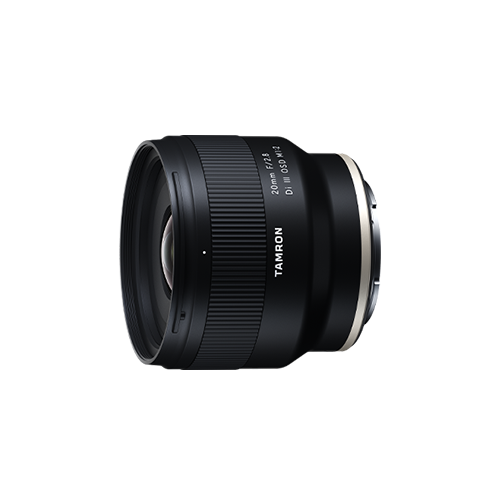
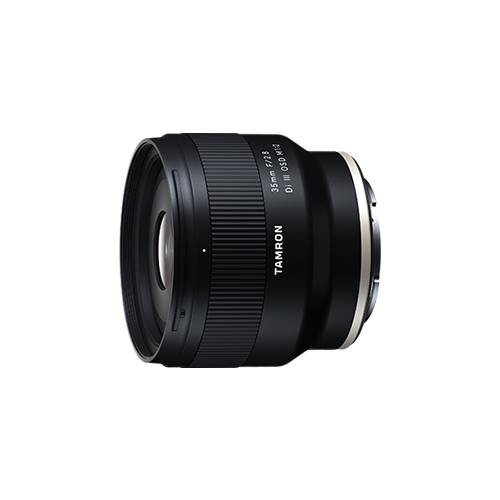
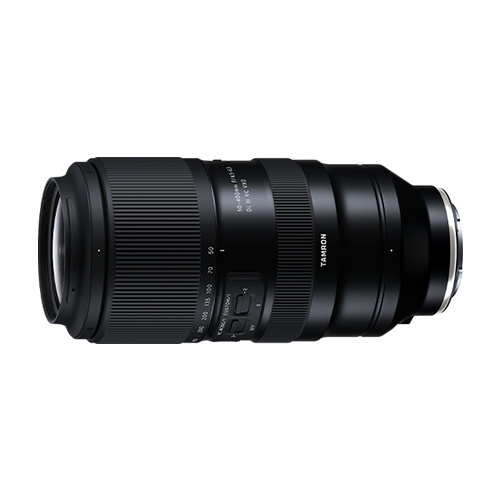
TAMRON products mentioned in this article