
What Is a Prime Lens? A Beginner’s Guide
If you are shopping for a camera lens, you will quickly encounter two major categories: zoom lenses and prime lenses.
Zoom lenses allow you to change the focal length, while a prime lens has a fixed focal length. This means a 35mm prime lens always shoots at 35mm, while a 50mm prime lens always shoots at 50mm.
At first, having a fixed focal length might seem less convenient than having a zoom. After all, you cannot simply zoom in or out to change your composition.
However, prime lenses remain popular because their fixed focal length can be combined with large maximum apertures, strong subject separation, compact designs and high optical performance.
They can also encourage photographers to think differently about composition. Instead of changing the focal length, you move yourself closer to or farther from the subject and consider how the chosen perspective affects the image.
So, what exactly is a prime lens, and when should you consider using one?
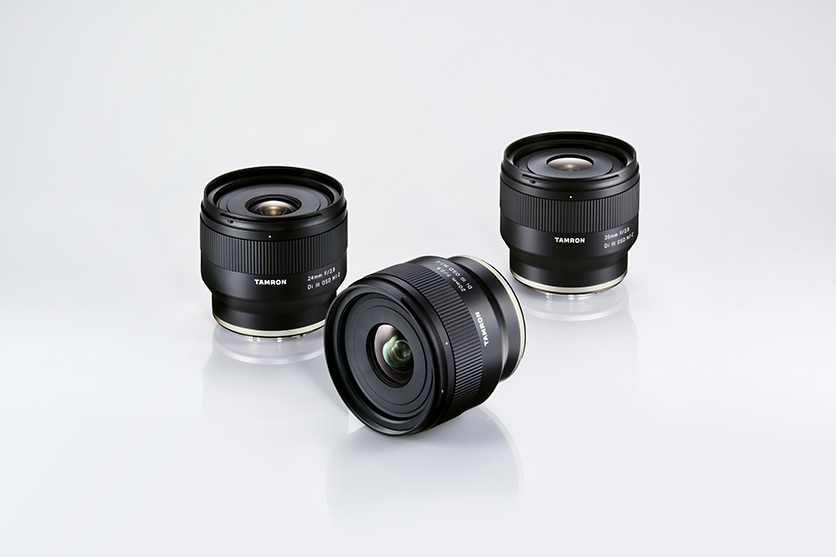
What Is a Prime Lens?
A prime lens is a lens with a single, fixed focal length.
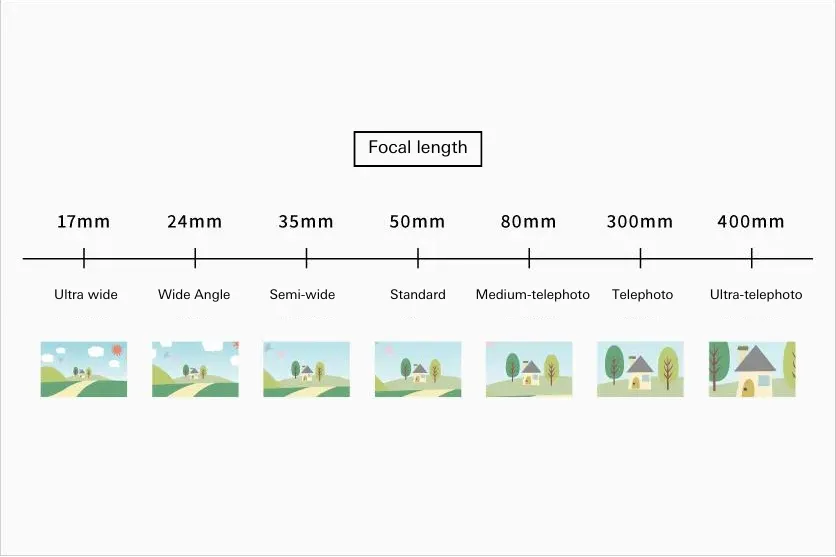
For example:
- A 20mm prime lens always uses 20mm.
- A 35mm prime lens always uses 35mm.
- A 50mm prime lens always uses 50mm.
- A 90mm prime lens always uses 90mm.
Unlike a zoom lens, you cannot change the focal length by rotating a zoom ring.
If you want your subject to appear larger in the frame, you generally need to move closer. If you want to include more of the surroundings, you may need to move farther away.
This characteristic is one of the defining differences between prime and zoom lenses.
TAMRON’s educational material explains that a prime lens has a single focal length, while a zoom lens uses a variable focal-length range. The focal length is represented by a single number on a prime lens rather than a range such as 28-75mm.
Prime Lens vs. Zoom Lens
The easiest way to understand a prime lens is to compare it with a zoom lens.
A zoom lens might be labeled 28-75mm, meaning the photographer can select different focal lengths between 28mm and 75mm.
A prime lens might be labeled 35mm, meaning the focal length remains fixed at 35mm.
Zoom Lens
A zoom lens provides:
- Multiple focal lengths
- Flexible composition
- Less need to change lenses
- Convenience when traveling
- Greater adaptability to changing subjects
Prime Lens
A prime lens provides:
- One fixed focal length
- Often larger maximum apertures
- Potentially strong background blur
- Compact and lightweight designs
- A focused approach to composition
Neither type is automatically better.
They simply encourage different ways of working.
A zoom lens can be useful when your subjects and shooting distances change frequently.
A prime lens can be useful when you want to work with a particular perspective and take advantage of a large aperture or compact design.
Why Are Prime Lenses Popular?
If prime lenses cannot zoom, why do so many photographers use them?
There are several reasons.
1. Large Maximum Apertures
One of the biggest attractions of prime lenses is that many are designed with relatively large maximum apertures.
An aperture such as F1.4, F1.8 or F2 allows more light to reach the camera sensor than a lens with a smaller maximum aperture.
This can be useful when photographing in low-light environments.
A large aperture can also create a shallower depth of field, which can help separate the subject from the background.
For example, when photographing a person with a fast prime lens, you can focus attention on the subject while allowing the background to become softly blurred.
However, the amount of background blur depends on several factors, including aperture, focal length, subject distance, background distance and sensor size.
2. Beautiful Background Blur
Prime lenses are often associated with bokeh, or the appearance of out-of-focus areas in an image.
A large aperture can produce a shallow depth of field, making it easier to isolate your subject from the background.
This is particularly useful for:
- Portraits
- Flowers
- Food
- Details
- Street photography
- Still life
- Close-up photography
Bokeh isn’t simply about making everything behind the subject blurry.
The shape, smoothness and appearance of the out-of-focus areas can also affect the overall look of an image.

3. Compact and Lightweight Designs
Because a prime lens only needs to cover one focal length, some prime lenses can be designed to be relatively compact and lightweight.
This makes them convenient for travel, street photography and everyday shooting.
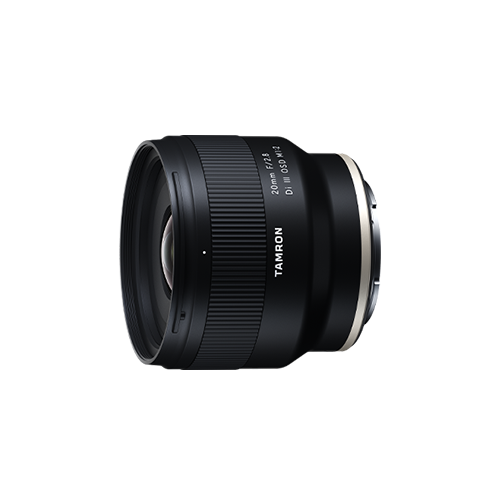
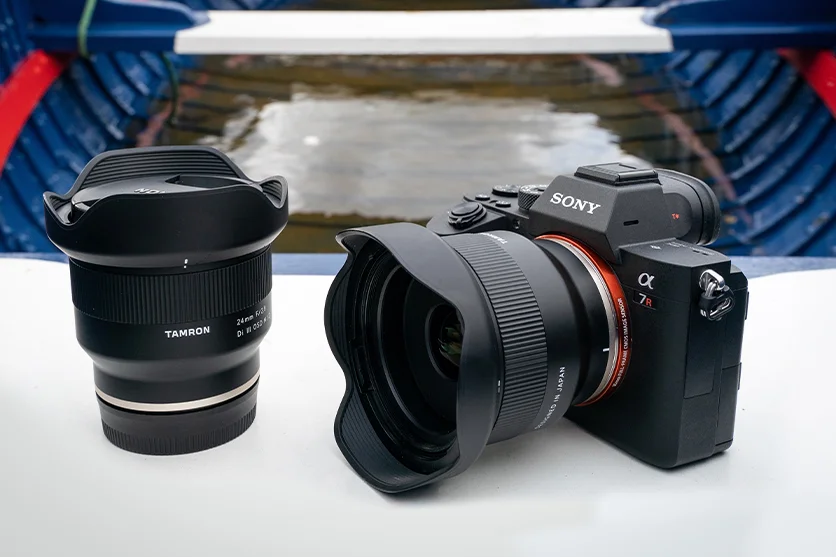
For example, TAMRON’s 20mm F/2.8 Di III OSD M1:2 (Model F050) is a compact full-frame Sony E-mount ultra-wide-angle prime lens weighing approximately 220g.
A small prime lens can make it easier to carry a camera with you throughout the day.
4. A Focused Shooting Experience
A fixed focal length can encourage photographers to think more carefully about composition.
Instead of zooming to change the framing, you need to consider your position.
You might take a step forward to fill more of the frame.
You might step backward to include more of the surroundings.
You might move sideways to change the relationship between your subject and the background.
This can encourage you to pay closer attention to perspective, distance and composition.
TAMRON’s educational materials similarly point out that working with a fixed angle of view can help photographers develop a stronger sense of how distance and composition affect the photograph.
What Are Prime Lenses Used For?
Prime lenses are available in many different focal lengths, so their applications vary considerably.
A 20mm prime and a 90mm prime are both prime lenses, but they produce very different images.
1. Portrait Photography
Portraits are one of the most common applications for prime lenses.
A short-telephoto prime can provide a flattering perspective while allowing you to maintain some distance from your subject.
Focal lengths around 85mm and 90mm are commonly used for portraits because they can provide a tighter composition without requiring the photographer to stand extremely close to the subject.
A large aperture can also help separate the subject from the background.
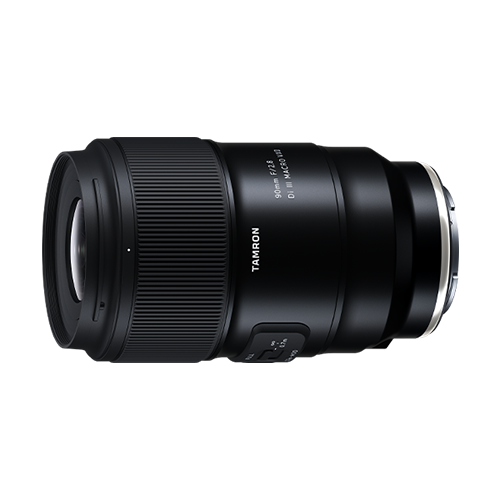
TAMRON’s 90mm F/2.8 Di III Macro VXD (Model F072) is an example of a prime lens that can be used for portraits as well as macro photography. Its F2.8 aperture provides background-blur potential while its close-focusing ability adds another layer of versatility.

2. Street Photography
A 35mm or 50mm prime lens can be useful for street photography.
These focal lengths can provide a relatively natural perspective while allowing you to include both people and their surroundings.
A compact prime lens can also make your camera easier to carry throughout the day.
Because you cannot zoom, you are encouraged to anticipate the composition and position yourself accordingly.

3. Landscape Photography
Prime lenses are not limited to portraits.
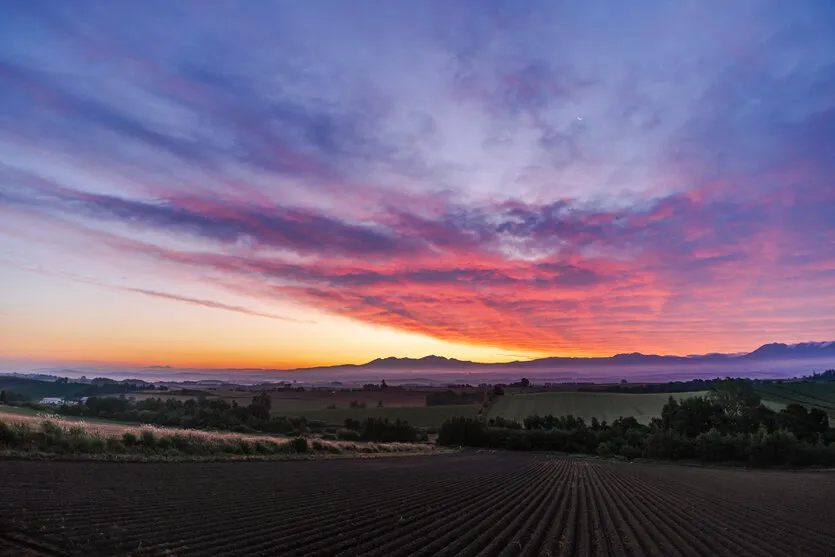
Wide-angle prime lenses can be useful for landscapes, architecture and travel.
A wide-angle focal length allows you to include more of the scene, while the fixed focal length encourages you to think carefully about your position.
The 20mm F2.8 F050, for example, provides an ultra-wide perspective suitable for expansive scenes while also offering close-focusing capability.
4. Travel Photography
Prime lenses can make excellent travel companions.
A compact prime can reduce the size and weight of your camera setup while still providing strong image-making capabilities.
A wide-angle prime can be useful for architecture and landscapes.
A 35mm or 50mm prime can be useful for street scenes and everyday subjects.
A short-telephoto prime can be useful for portraits and details.
The key is to choose a focal length that matches the way you photograph.

5. Low-Light Photography
Large-aperture prime lenses can be particularly useful in low-light conditions.
Because a larger aperture allows more light to reach the sensor, you may be able to use a faster shutter speed or a lower ISO under the same lighting conditions.
This can be useful for:
- Indoor photography
- Night street photography
- Restaurants
- Events
- Evening travel photography
However, a fast aperture does not eliminate the need to consider shutter speed and ISO. The appropriate settings depend on the lighting and whether your subject is moving.

6. Macro and Close-Up Photography
Some prime lenses are specifically designed for close-up photography.
A macro prime lens can provide high magnification and allow you to photograph small subjects in considerable detail.
The 90mm F2.8 Di III Macro VXD (F072) is a good example.
It provides 1:1 maximum magnification, allowing an object to be recorded on the camera sensor at approximately its actual size. TAMRON also positions the lens for portrait, tabletop and other non-macro applications.
This makes a macro prime useful beyond traditional macro photography.
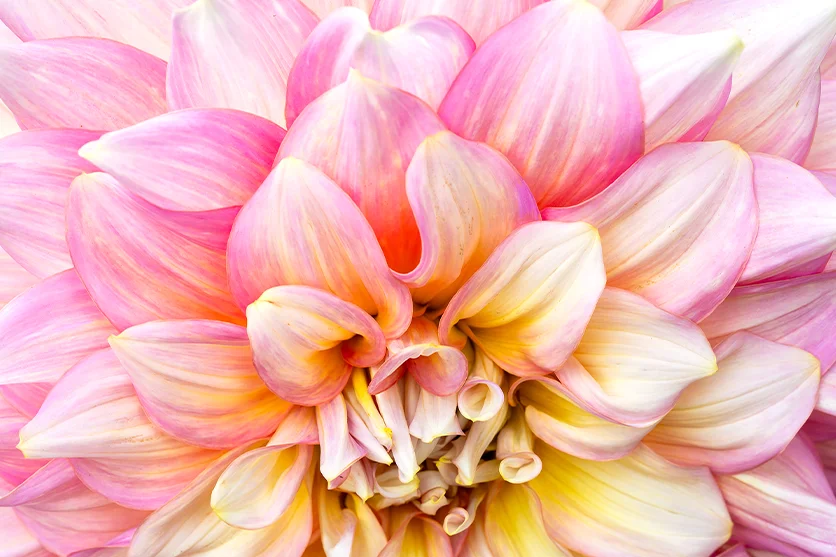
Prime Lens Focal Lengths Explained
One of the most important things to understand when choosing a prime lens is that the focal length determines the field of view.
As a general guide for full-frame cameras:
Ultra Wide-Angle Prime
Around 20mm or wider
Useful for:
- Landscapes
- Architecture
- Interiors
- Astrophotography
- Creative perspectives
Wide-Angle Prime
Around 24-35mm
Useful for:
- Street photography
- Travel
- Environmental portraits
- Everyday photography
- Landscapes
Standard Prime
Around 50mm
Useful for:
- Everyday photography
- Street photography
- Travel
- Portraits
- Documentary-style photography
Short-Telephoto Prime
Around 85-100mm
Useful for:
- Portraits
- Close-up photography
- Details
- Events
Telephoto Prime
100mm and longer
Useful for:
- Wildlife
- Sports
- Distant subjects
- Specialized portrait work
- Macro photography, depending on lens design
These are general categories rather than strict rules.
The right focal length depends on your camera’s sensor size and the perspective you want to create.
Prime Lenses on APS-C Cameras
Sensor size is particularly important when choosing a prime lens.
The same focal length produces a different field of view depending on the camera’s sensor format.
For example, a 35mm lens on an APS-C camera provides a narrower field of view than a 35mm lens on a full-frame camera.
As a rough guide, APS-C focal lengths are often multiplied by approximately 1.5x to 1.6x to estimate their full-frame-equivalent field of view, depending on the camera system.
This means a prime lens should not be selected based only on the number printed on the barrel.
Consider:
- Your camera’s sensor size
- The lens’s intended format
- The resulting field of view
- Your shooting distance
- Your preferred subject
How Does Focal Length Affect Your Photos?
Changing focal length does more than simply make a subject appear closer or farther away.
It changes the angle of view and influences how elements within the scene are represented.
A wide-angle prime can exaggerate the apparent distance between foreground and background elements.
A standard prime can provide a more natural-looking perspective.
A telephoto prime can narrow the field of view and make distant elements appear visually closer together.
This is why choosing a prime lens is also a choice about perspective.
TAMRON’s educational guide explains the relationship between focal length and angle of view: shorter focal lengths provide wider angles of view, while longer focal lengths provide narrower angles of view.
Prime Lens and Depth of Field
Another important characteristic of prime lenses is their potential for shallow depth of field.
Depth of field describes the area of a photograph that appears acceptably sharp.
A larger aperture, represented by a smaller F-number, can reduce depth of field.
For example, an F1.8 aperture can produce a shallower depth of field than F4 under otherwise comparable conditions.
This can be useful when you want to isolate your subject.
However, remember that aperture is not the only factor.
Depth of field is also affected by:
- Focal length
- Subject distance
- Background distance
- Sensor size
Getting closer to your subject, using a longer focal length and increasing the distance between your subject and background can all influence the amount of background blur.
Prime Lens vs. Zoom Lens: Which Should You Use?
There is no universal answer.
The better choice depends on what you photograph and how you like to work.
Choose a Prime Lens If You Value:
- Large maximum apertures
- Background blur
- Compact equipment
- A fixed perspective
- Low-light capability
- A deliberate shooting approach
Choose a Zoom Lens If You Value:
- Multiple focal lengths
- Flexible composition
- Convenience
- Fewer lens changes
- Fast framing adjustments
- Travel versatility
You can also use both.
Many photographers carry a versatile zoom for general-purpose shooting and add a prime lens when they specifically want a larger aperture, smaller setup or particular focal length.
How to Choose the Right Prime Lens
Choosing a prime lens starts with understanding your photography.
Instead of asking which prime lens is “best,” ask which focal length and features match the subjects you photograph.
1. Choose the Focal Length
Start with the field of view you want.
If you photograph landscapes and architecture, a wide-angle prime may be appropriate.
If you photograph everyday scenes and street photography, a 35mm or 50mm prime may be more suitable.
For portraits, a short-telephoto focal length can provide a tighter composition and subject separation.
For macro photography, choose a lens designed for the magnification and working distance you need.
2. Consider the Maximum Aperture
If low-light photography and shallow depth of field are priorities, look at the lens’s maximum aperture.
A smaller F-number means a larger maximum aperture.
For example:
- F1.4 → very large aperture
- F1.8 → large aperture
- F2 → large aperture
- F2.8 → still relatively bright
A larger aperture can provide more light and greater depth-of-field control.
However, lenses with very large apertures can also be larger, heavier or more expensive.
3. Consider Size and Weight
One of the practical advantages of many prime lenses is their compact size.
If you plan to carry your camera throughout the day, a lightweight prime can make photography more convenient.
Think about how you actually use your camera.
A lens that is slightly less bright but significantly easier to carry may be a better everyday option for some photographers.
4. Check Minimum Focusing Distance
Minimum object distance is especially important if you photograph details.
A prime lens with strong close-focusing performance can expand the types of subjects you can photograph.
This is one of the strengths of the 90mm F2.8 Macro F072, which combines a 1:1 macro capability with a focal length that also works well for portraits.
5. Look at Autofocus Performance
Autofocus matters even when using a prime lens.
Fast and accurate autofocus can be particularly useful for:
- Portraits
- Children
- Pets
- Street photography
- Events
- Video
If you plan to use your prime lens for moving subjects or video, consider autofocus behavior alongside optical specifications.
6. Consider Image Stabilization
Some prime lenses or compatible camera systems provide image stabilization.
Stabilization can be useful when shooting handheld at slower shutter speeds, especially in low-light conditions.
However, stabilization primarily helps compensate for camera movement. It does not freeze a moving subject.
7. Check Compatibility
Before purchasing any lens, confirm that it matches your camera.
Check:
- Lens mount
- Sensor format
- Camera compatibility
- Autofocus compatibility
- Firmware requirements
For example, TAMRON’s F050 is designed for Sony E-mount full-frame mirrorless cameras, while other lenses may be designed for different mounts or sensor formats.
How to Use a Prime Lens
Using a prime lens can require a slightly different approach from using a zoom.
Move Your Feet
Because you cannot zoom, your position becomes part of the composition.
Move closer if you want a tighter frame.
Move farther away if you need to include more of the scene.
But don’t simply use your feet as a replacement for zooming.
Moving your camera also changes your relationship with the subject and can affect perspective.
Think about where you want to position yourself before taking the photograph.
Pay Attention to the Background
A large-aperture prime lens can make the background significantly softer.
Before pressing the shutter, look carefully at what appears behind your subject.
Try moving yourself or your subject to find a cleaner background.
Experiment With Aperture
Don’t assume you should always shoot at the maximum aperture.
An F1.8 or F2 aperture can create strong background blur, but stopping down can increase depth of field and keep more of the subject in focus.
For portraits, for example, you might use a wide aperture for strong separation or stop down slightly if you want both eyes to remain comfortably within the depth of field.
Use the Fixed Focal Length Creatively
Instead of seeing a fixed focal length as a limitation, use it as a creative constraint.
Spend an entire walk using only one prime lens.
You may begin to notice:
- Different shooting distances
- New compositions
- Foreground elements
- Background relationships
- Lines and patterns
- Light and shadow
This can help you become more deliberate about how you compose photographs.
TAMRON Prime Lenses to Consider
TAMRON’s prime-lens lineup covers different perspectives and shooting applications.
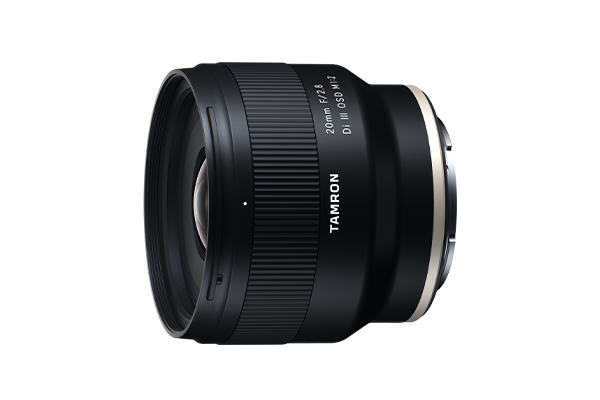
20mm F/2.8 Di III OSD M1:2 — Model F050
The 20mm F2.8 Di III OSD M1:2 (Model F050) is an ultra-wide-angle prime lens for full-frame Sony E-mount mirrorless cameras.
Its 20mm focal length provides a broad field of view for landscapes, architecture, travel and creative wide-angle photography.
It also offers a 1:2 maximum magnification ratio, allowing photographers to explore close-up subjects from a wide-angle perspective. At approximately 220g, its compact design makes it practical for everyday and travel photography.
It can be particularly useful for:
- Landscapes
- Architecture
- Travel
- Street photography
- Interiors
- Creative close-ups
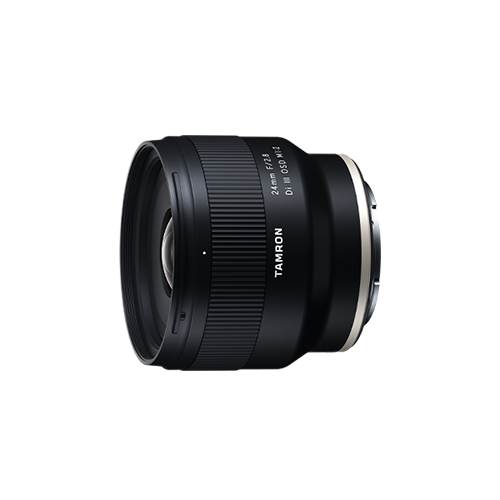
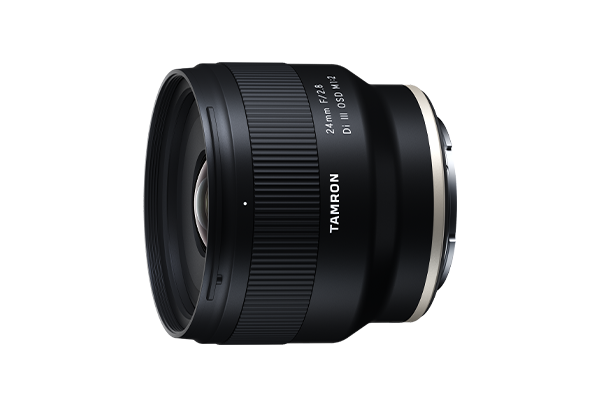
24mm F/2.8 Di III OSD M1:2 — Model F051
The 24mm F/2.8 Di III OSD M1:2 (Model F051) is an ultra-wide-angle prime lens that provides a broad field of view while maintaining a compact and lightweight design.
Its 24mm focal length can work well for:
- Landscape photography
- Travel
- Architecture
- Street photography
- Interiors
- Environmental portraits
- Close-up photography
The wide 24mm perspective allows you to capture more of your surroundings while still keeping your main subject prominent in the frame. Its 1:2 maximum magnification ratio also makes it possible to
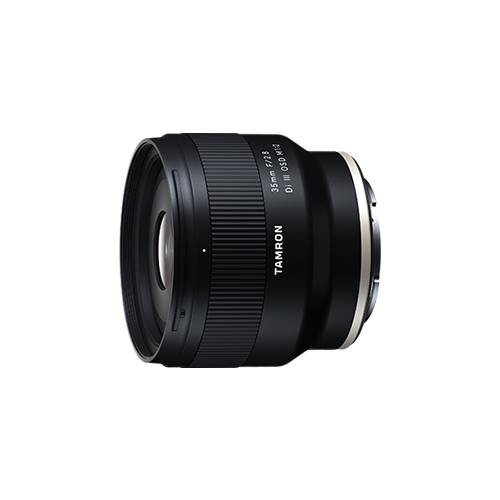
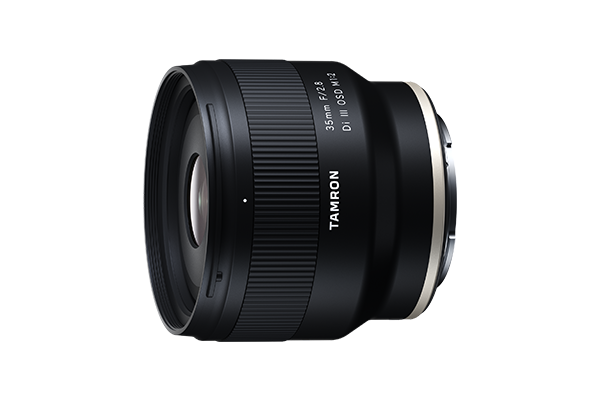
35mm F/2.8 Di III OSD M1:2 — Model F053
The 35mm F2.8 Di III OSD M1:2 (Model F053) provides a wider-than-standard perspective that is useful for everyday photography.
Its focal length can work well for:
- Street photography
- Travel
- Environmental portraits
- Everyday photography
- Food and tabletop subjects
The 35mm perspective allows you to include both your subject and its surroundings, making it a practical focal length for storytelling.
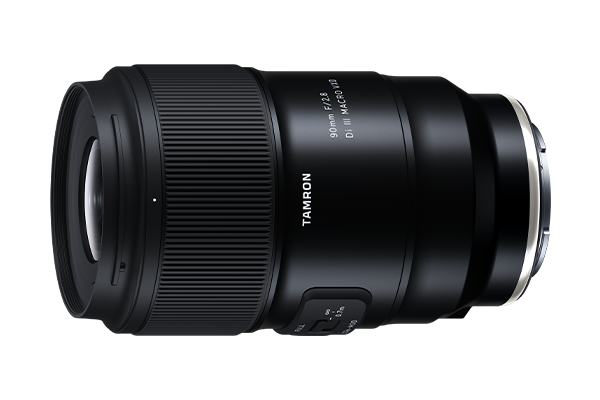
90mm F/2.8 Di III Macro VXD — Model F072
The 90mm F2.8 Di III Macro VXD (Model F072) is a full-frame macro prime lens designed for Sony E and Nikon Z mounts.
Its 1:1 macro capability allows photographers to capture subjects at life-size magnification on the camera sensor.
However, the lens is not limited to macro photography.
Its 90mm focal length and F2.8 aperture also make it suitable for:
- Portraits
- Close-up photography
- Food
- Tabletop photography
- Flowers
- Product details
- Landscape details
TAMRON specifically positions the F072 as a mid-telephoto prime that can be used across a variety of genres beyond macro photography.
Prime Lens Examples by Photography Type
If you are unsure where to start, consider your main subject.
For landscapes and architecture
Consider a wide-angle prime such as 20mm.
For street and travel photography
A 35mm prime can provide a useful balance between the subject and its surroundings.
For everyday photography
A 35mm or 50mm prime can provide a relatively natural perspective.
For portraits
A short-telephoto prime around 85-90mm can provide a tighter field of view and subject separation.
For macro photography
A dedicated macro prime such as a 90mm macro can provide high magnification and close-focusing capability.
Do You Need a Prime Lens?
A prime lens is not something every photographer needs to own.
If you value convenience and regularly photograph subjects at different distances, a zoom lens may be more practical.
However, a prime lens can provide a different shooting experience.
It can give you:
- A fixed perspective
- A large maximum aperture
- Strong depth-of-field control
- Potentially beautiful bokeh
- Compact handling
- A more deliberate approach to composition
For some photographers, a prime lens may become their everyday lens.
For others, it may be a specialized lens that they bring when they specifically want a particular focal length or shooting style.
You can also combine both.
A versatile zoom can handle changing situations, while a prime lens can be added when you want a larger aperture, a more compact setup or a specific perspective.
Final Thoughts
A prime lens is a lens with a fixed focal length.
While this means you cannot zoom in or out, that limitation can also become part of the creative process.
Instead of changing focal length, you change your position, reconsider your composition and pay closer attention to the relationship between your subject and its surroundings.
Prime lenses are popular because many offer large maximum apertures, strong background separation, compact designs and high optical performance.
But choosing a prime lens is ultimately about choosing a perspective.
A 20mm lens can help you capture expansive scenes.
A 35mm lens can provide a versatile perspective for travel and street photography.
A 90mm macro lens can combine portrait-friendly framing with detailed close-up photography.
There is no single prime lens that is right for every photographer.
Think about what you photograph most often, how close you normally stand to your subjects, how much background separation you want and how portable you want your camera setup to be.
Once you understand those factors, choosing the right prime lens becomes much easier.
TAMRON products mentioned in this article