
What Is a Snapshot? A Beginner’s Guide to Snapshot Photography
Have you ever been walking through a city, traveling somewhere new, or spending time with family when you suddenly notice a moment worth photographing?
You might see an interesting expression, a beautiful combination of light and shadow, a child playing, or an unusual scene on the street.
You raise your camera, quickly frame the subject, and press the shutter.
That is the basic idea behind a snapshot.
Snapshot photography is about capturing ordinary moments as they naturally happen rather than carefully planning every detail of the photograph.
In this guide, we’ll explain what a snapshot is, how snapshot photography differs from portrait photography, the different types of snapshots you can take, useful camera settings for snapshots, composition techniques, and how to choose a lens for this style of photography.
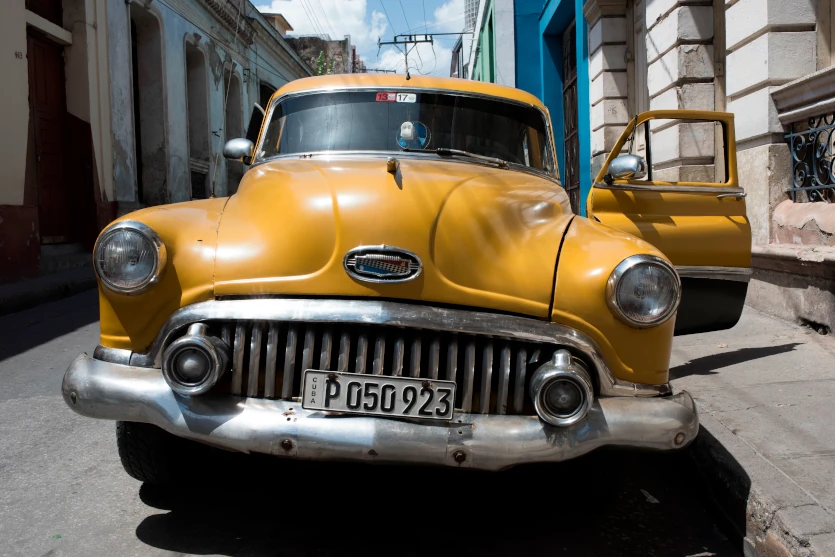
What Is a Snapshot?
A snapshot is a photograph taken quickly to capture a moment as it happens.
Unlike carefully planned photography, a snapshot usually does not involve deciding on a specific pose, composition, lighting setup, or location beforehand.
Instead, the photographer reacts to something happening in front of the camera.
This could be:
- A person’s expression
- A child playing
- A street scene
- Interesting architecture
- A beautiful landscape
- A moment during a trip
- Light and shadows
- An everyday activity
The appeal of a snapshot is its spontaneity.
Rather than trying to create a perfectly controlled image, the goal is often to preserve the atmosphere and feeling of a particular moment.
What Is the Difference Between a Snapshot and a Portrait?
Snapshot photography and portrait photography can both feature people, but the way the photograph is created is often different.
A portrait usually has a person as the primary subject, and the photographer may intentionally direct the subject’s pose, expression, position and surroundings.
A snapshot, on the other hand, is generally taken without arranging the subject beforehand.
For example, imagine photographing a friend during a trip.
If you ask your friend to stand in a particular location, pose and look toward the camera, you are creating a portrait.
If you photograph your friend while they are naturally looking around, talking or walking through the city, the photograph can be considered a snapshot.
The distinction is not always absolute.
A snapshot can contain a person as the main subject, but the emphasis is usually on capturing a spontaneous moment rather than creating a predetermined pose.
Why Is Snapshot Photography Appealing?
One of the biggest attractions of snapshot photography is that it allows you to preserve moments that might otherwise disappear.
A carefully planned photograph can be beautiful, but spontaneous photographs can communicate something different.
They can show:
- Natural expressions
- Everyday activities
- The atmosphere of a location
- Unexpected interactions
- Changing light
- Fleeting moments
Snapshots can also become meaningful records of everyday life.
A photograph of someone laughing during a trip may become more memorable years later precisely because it was not staged.
Different Types of Snapshot Photography
Snapshot photography isn’t limited to photographing people.
Almost anything can become the subject of a snapshot.
People
People are one of the most common subjects.
Instead of asking someone to pose, observe what they naturally do and photograph the moment.
You might capture:
- A person’s expression
- Someone walking
- Friends talking
- A family member concentrating on an activity
- A person interacting with the environment
When photographing people, try to pay attention to the relationship between the subject and the surrounding environment.
A person’s expression can be interesting, but the location can tell part of the story as well.

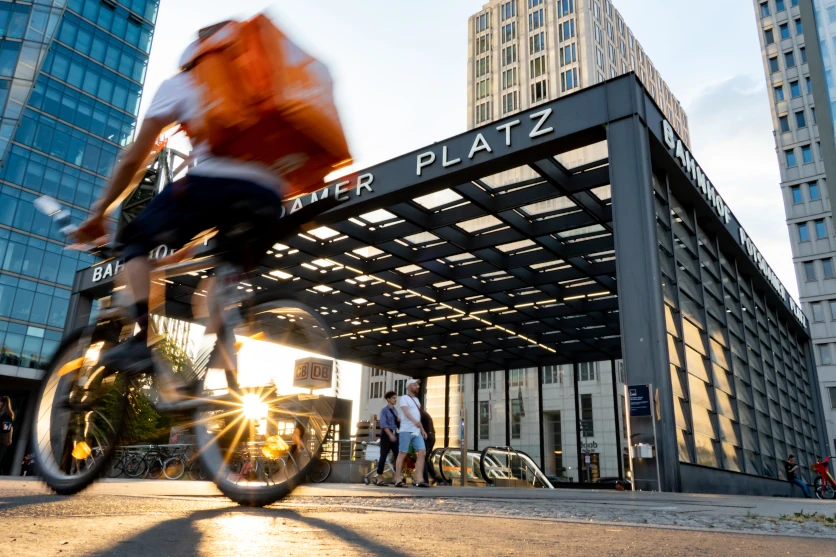
Street Snapshots
Street photography is closely associated with snapshot photography.
The city provides countless opportunities for spontaneous photographs.
You can photograph:
- People
- Buildings
- Vehicles
- Signs
- Storefronts
- Reflections
- Shadows
- Street lights
- Interesting architectural details
The goal doesn’t have to be documenting an important event.
Even ordinary scenes can become interesting when light, composition and timing come together.
TAMRON’s own street-snapshot material similarly emphasizes everyday city scenes, people, buildings, light and shadows as potential subjects.
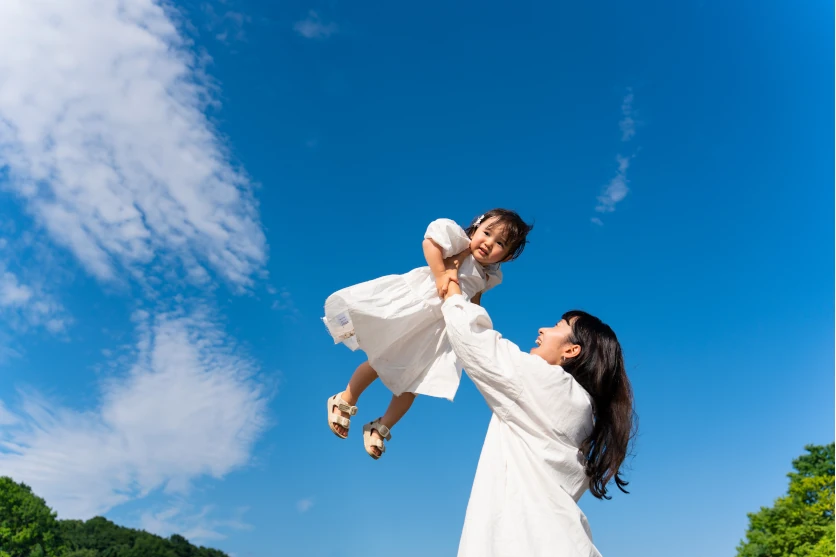
Children’s Snapshots
Children can be particularly rewarding subjects because their expressions and movements can change quickly.
Instead of asking a child to pose, try photographing them while they are:
- Playing
- Running
- Talking
- Exploring
- Laughing
- Interacting with family members
Because children move quickly, autofocus and shutter speed become especially important.
Events and Celebrations
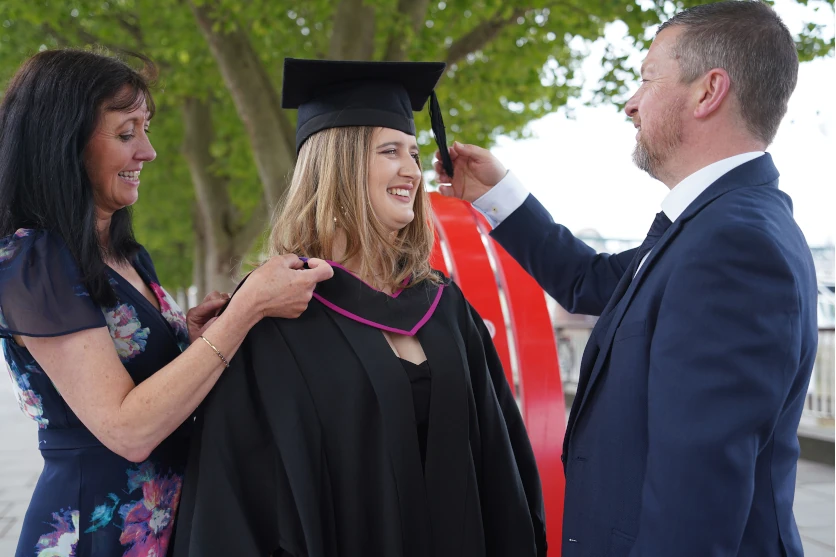
Weddings, birthdays, festivals and family gatherings provide many opportunities for snapshots.
Instead of photographing only posed group photographs, look for moments happening between the formal photographs.
For example:
- Someone laughing
- Guests talking
- Children playing
- People preparing food
- A spontaneous reaction
- Someone enjoying the event
These moments can make a collection of event photographs feel more natural.
Buildings and Streets
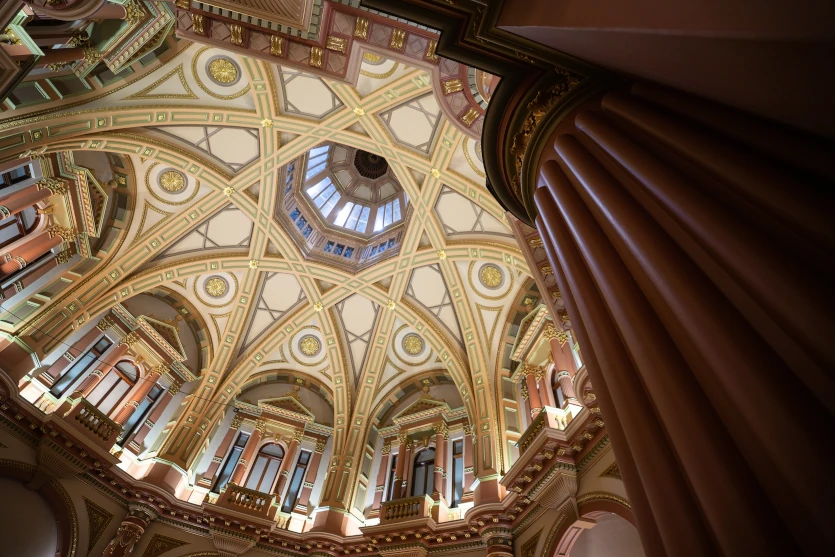
Buildings can also make excellent snapshot subjects.
Look for interesting:
- Shapes
- Lines
- Patterns
- Reflections
- Shadows
- Colors
- Perspectives
You don’t always need to photograph an entire building.
Sometimes a small architectural detail can create a more interesting photograph.
Natural Landscapes
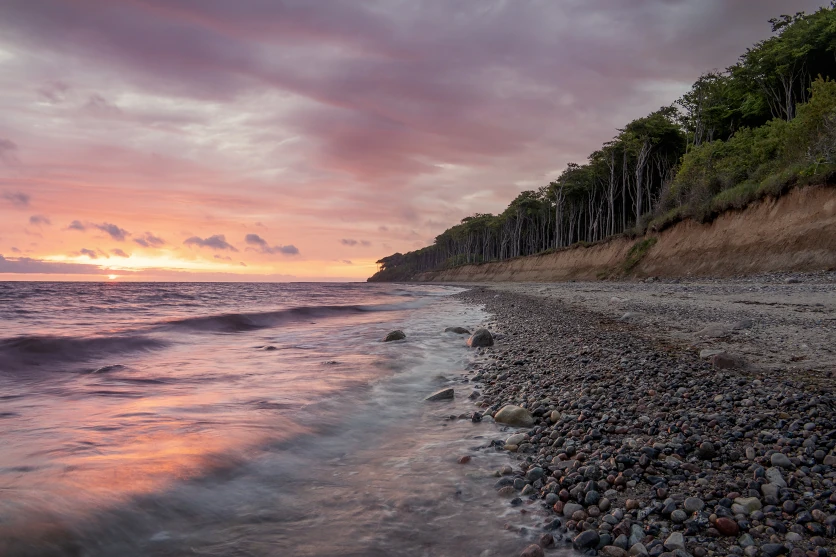
Landscape photography is often associated with carefully planned compositions, but spontaneous landscape snapshots can be equally enjoyable.
You might encounter an unexpected scene while:
- Hiking
- Traveling
- Walking
- Climbing
- Visiting a park
- Exploring a new location
If the light suddenly changes or you notice an interesting view, capture it before the moment disappears.
How to Take Better Snapshots
Snapshot photography may look simple, but capturing a compelling moment requires observation and quick decision-making.
Here are several techniques that can help.
1. Be Ready to Take the Photograph
Snapshots happen quickly.
If your camera is packed away or your settings require extensive adjustment, the moment may be gone before you are ready.
When walking around with your camera, keep it accessible and use settings that allow you to react quickly.
You don’t necessarily need to use fully manual exposure for every snapshot.
A semi-automatic mode can help you concentrate on the scene instead.
2. Use Shutter Priority for Moving Subjects
Shutter Priority mode is useful when your main concern is controlling motion.
Depending on the camera, this may be called S mode or Tv mode.
You select the shutter speed and the camera automatically adjusts the aperture to achieve an appropriate exposure.
A faster shutter speed can help freeze movement.
For example, you might use a faster shutter speed when photographing:
- Children
- Pets
- Animals
- Vehicles
- Sports
- People walking or running
If there is not enough light, you may need to increase ISO sensitivity.
3. Use Aperture Priority for Everyday Snapshots
Aperture Priority mode is another useful option.
Depending on the camera, it may be called A mode or Av mode.
You select the aperture, and the camera adjusts the shutter speed automatically.
This can be useful when you want to control the amount of background blur.
A wider aperture such as F2.8 can help separate a subject from its background.
A smaller aperture such as F5.6 or F8 can keep more of the scene in focus.
For spontaneous photography, Aperture Priority can provide a good balance between creative control and speed.
4. Choose a Fast Enough Shutter Speed
One of the most common problems in snapshot photography is motion blur.
Even if your subject isn’t moving quickly, you can introduce blur by moving the camera while pressing the shutter.
As a general starting point:
- Around 1/60 sec → relatively slow for handheld snapshots
- Around 1/125 sec → useful for relatively still subjects
- Around 1/250 sec → useful for people moving around
- Around 1/500 sec or faster → useful for faster movement
These are only starting points.
The appropriate shutter speed depends on focal length, subject movement, camera movement and lighting.
5. Don’t Be Afraid to Increase ISO
If you are photographing indoors or in low light, you may not have enough light for a fast shutter speed.
Increasing ISO sensitivity allows the camera to use a faster shutter speed or smaller aperture.
However, higher ISO settings can also introduce more image noise.
The goal is therefore not necessarily to use the lowest ISO possible.
For snapshot photography, getting a sharp photograph can be more important than keeping ISO extremely low.
6. Shoot Repeatedly
The decisive moment may only last a fraction of a second.
Rather than taking only one photograph, take several when appropriate.
Continuous shooting or burst mode can be particularly useful for:
- Children
- Animals
- Sports
- Events
- People walking
- Expressions
You can then select the frame with the best expression, composition and timing.
The original TAMRON guide also recommends taking photographs repeatedly because spontaneous moments do not always occur exactly when expected.
7. Look for Interesting Light
Light can transform an ordinary scene into an interesting photograph.
Pay attention to:
- Direct light
- Backlight
- Side light
- Shadows
- Reflections
- Window light
- Street lights
- Golden-hour light
Direct Light
Light coming directly toward the subject can produce clear details and strong contrast.
Backlight
When the light comes from behind the subject, the subject can become darker while the background becomes brighter.
This can create silhouettes, glowing edges and a more atmospheric appearance.
Side Light
Light coming from the side can emphasize texture and depth.
It can be especially effective for buildings, streets and people.
Changing your position relative to the light can completely change the appearance of the same scene.
8. Experiment With Your Composition
Snapshot photography doesn’t mean you should ignore composition.
Instead, composition becomes something you decide quickly.
Try:
- Moving closer
- Moving farther away
- Shooting from a low angle
- Shooting from a high angle
- Leaving negative space
- Using leading lines
- Placing the subject off-center
- Filling the frame
- Including the surrounding environment
You can also change the orientation of your camera.
Try both horizontal and vertical compositions.
9. Look for Negative Space
Negative space is an area of relatively simple or empty space surrounding your subject.
It can help make the subject stand out.
For example, a person walking against a large blank wall can create a simple but visually effective composition.
Negative space can also communicate a sense of:
- Solitude
- Calm
- Scale
- Movement
Don’t assume that every part of the frame needs to contain an obvious subject.
10. Use Background Blur When Appropriate
A wide aperture can create a shallow depth of field.
This can separate a person or object from a distracting background.
For example, an F2.8 lens can be useful for capturing a person’s expression while softly rendering the background.
However, don’t use wide apertures automatically.
Sometimes the background is an important part of the photograph.
If the location helps tell the story, stopping down the aperture can keep more of the environment recognizable.
Choosing a Lens for Snapshot Photography
The lens you choose can have a major effect on how quickly and comfortably you can photograph spontaneous moments.
When choosing a lens for snapshot photography, consider:
- Focal length
- Maximum aperture
- Autofocus
- Image stabilization
- Size and weight
- Minimum focusing distance
- Zoom range
There is no single lens that is ideal for every snapshot.
The right choice depends on the type of scenes you want to capture.
1. Consider a Versatile Focal Length
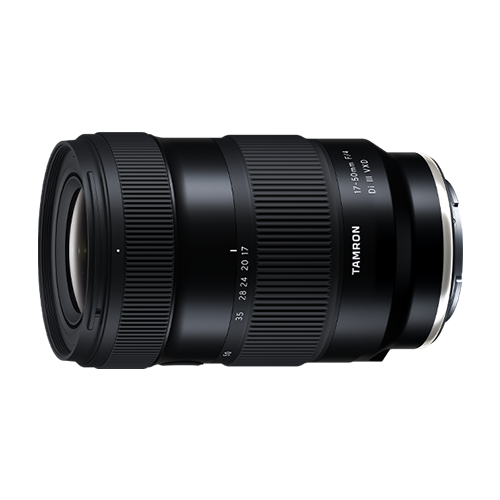
A standard or wide-to-standard zoom can be particularly useful for snapshots.
You may need to photograph a person one moment and a building or landscape the next.
A zoom lens allows you to change the composition without changing lenses.
This can help you react more quickly to unexpected subjects.
2. Consider a Large Maximum Aperture
A large maximum aperture can be useful for snapshot photography.
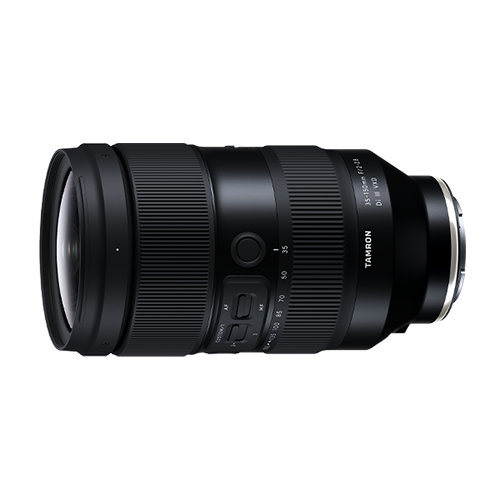
For example, an F2.8 lens allows more light into the camera than an F4 lens at the same focal length.
This can make it easier to maintain faster shutter speeds in lower light.
A large aperture can also provide background blur.
3. Consider Autofocus Performance
Snapshots often involve subjects that move unexpectedly.
Fast and accurate autofocus can help you capture those moments.
Autofocus is particularly important for:
- Children
- Pets
- Street photography
- Events
- Sports
- Travel
Tracking performance can also be useful when your subject moves across the frame.
4. Consider Image Stabilization
Image stabilization can help reduce camera shake during handheld shooting.
TAMRON calls its optical stabilization system
Vibration Compensation (VC).
VC can be particularly useful when photographing handheld in lower-light conditions.
However, remember that image stabilization primarily helps with camera movement.
It does not freeze a moving subject.
If your subject is moving, you may still need a faster shutter speed.
5. Consider Size and Weight
Snapshot photography often involves walking around while carrying your camera.
A large, heavy lens may become uncomfortable after several hours.
A lighter lens can make it easier to:
- Walk around a city
- Travel
- Hike
- Photograph events
- Carry your camera all day
Handling is therefore an important part of choosing a snapshot lens.
A lens that feels comfortable in your hands can make it easier to react quickly when something interesting happens.
Which Lens Should You Choose for Snapshots?
A simple way to narrow down your options is to think about what you photograph most often.
| Shooting Style | Lens Type to Consider |
|---|---|
| Street photography | Wide or standard zoom |
| Travel | Wide-to-standard or all-in-one zoom |
| Everyday snapshots | Standard zoom |
| Environmental portraits | Standard to telephoto |
| Children | Standard to telephoto |
| Events | Standard zoom or telephoto |
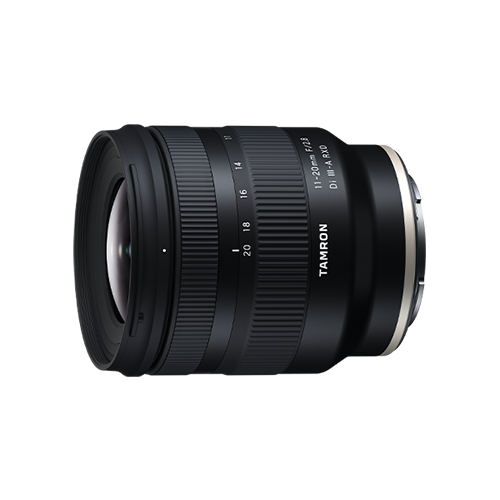
| Architecture | Wide-angle zoom |
| Landscapes | Wide-angle zoom |
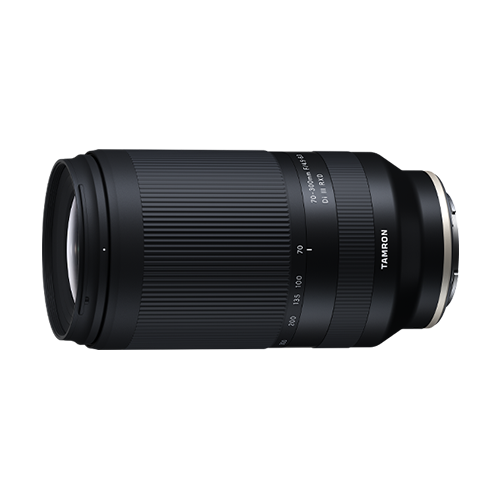
| Distant subjects | Telephoto zoom |
| APS-C ultra-wide snapshots | Ultra-wide APS-C zoom |
These are starting points rather than strict rules.
Snapshot photography is about reacting to the moment, so a lens that allows you to work comfortably and quickly can often be more useful than a lens chosen purely because of its specifications.
Snapshot Photography Tips for Beginners
If you’re just starting, don’t worry about creating a perfect photograph every time.
Instead, focus on observing the world around you.
Try these simple habits:
Keep your camera ready
Don’t wait until the moment has almost disappeared.
Photograph frequently
The more photographs you take, the more opportunities you’ll have to capture a strong moment.
Watch the light
Interesting light can make an ordinary subject much more compelling.
Try different focal lengths
Move between wide, standard and telephoto perspectives to see how they change the story.
Change your viewpoint
Try shooting from above, below, close to the ground or from farther away.
Don’t always center the subject
Experiment with negative space and off-center compositions.
Review your photographs
Look at the photographs you take and ask yourself why certain images feel stronger than others.
Over time, you’ll develop a better instinct for timing and composition.
Final Thoughts
Snapshot photography is about capturing moments as they happen.
You don’t need a carefully planned location, elaborate lighting setup or complicated composition.
What matters is being ready to recognize an interesting moment and capture it before it disappears.
Start by practicing with simple subjects.
Photograph people going about their day, interesting streets, buildings, light and shadows, landscapes or moments during your travels.
As you become more comfortable, experiment with shutter speed, aperture, ISO, focal length and composition.
When choosing a lens, look for characteristics that make spontaneous photography easier:
- A useful focal-length range
- Fast and accurate autofocus
- A suitable maximum aperture
- Image stabilization when available
- Comfortable size and weight
Most importantly, carry your camera and photograph often.
The next interesting snapshot may only last for a second.
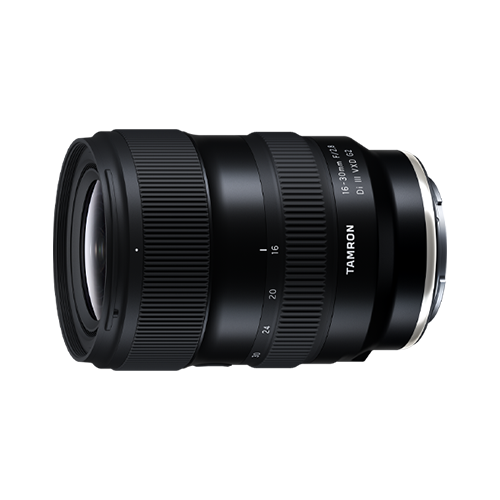
TAMRON products mentioned in this article