What is a Wide-Angle Lens? A Simple Guide for Photographers

What Is a Wide-Angle Lens? A Beginner’s Guide

A wide-angle lens lets you capture more of a scene in a single frame. It is especially useful for landscape, architecture, travel, interior, and creative photography.

But a wide-angle lens is about more than simply fitting more into the frame. Its wider field of view can change how you see depth, perspective, and the relationship between your subject and its surroundings.

b060 sp1 small

What Is a Wide-Angle Lens?

A wide-angle lens has a shorter focal length than a standard lens, giving it a wider field of view.

On a full-frame camera, lenses around 35mm and below are generally considered wide angle. As the focal length gets shorter, the field of view becomes wider.

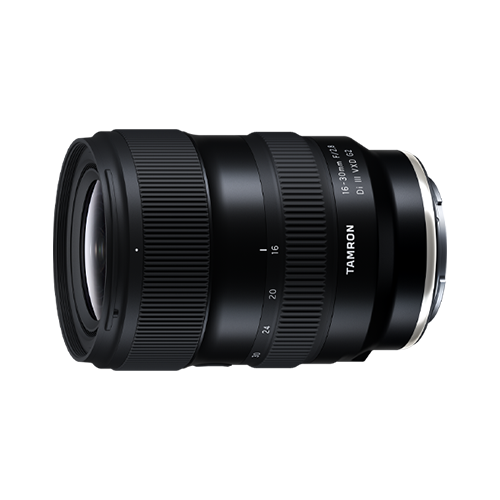
For example, a 24mm lens captures a wider view than a 35mm lens. An ultra-wide lens, such as a 16mm lens, captures even more of the scene.

This makes wide-angle lenses useful when you want to show both your main subject and the environment around it.

a064 sp6 small

How Does a Wide-Angle Lens Work?

The wider field of view allows you to include more of the scene without having to move as far away from your subject.

Wide-angle lenses can also create a strong sense of depth. Objects that are close to the camera may appear larger, while objects farther away can seem smaller and more distant.

This effect can make your photographs feel more spacious and immersive.


When Should You Use a Wide-Angle Lens?

Wide-angle lenses are especially useful when the surroundings are an important part of the photograph.


Landscape Photography

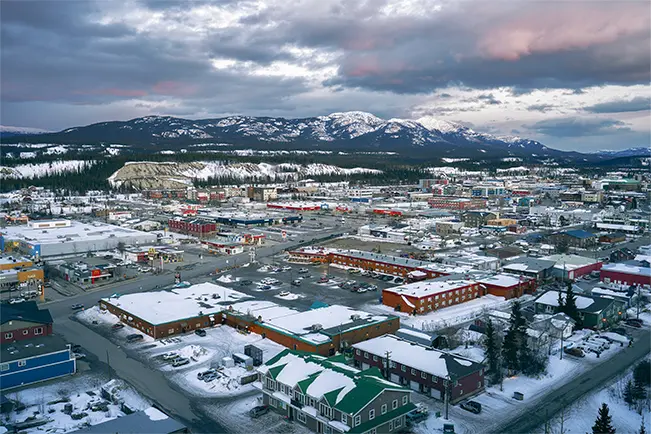
Wide-angle lenses are a popular choice for landscapes because they can capture large scenes such as mountains, coastlines, forests, and open fields.

Try including an interesting object in the foreground, such as rocks, plants, or a path. This can add depth and lead the viewer’s eye into the scene.


Architecture and Interior Photography

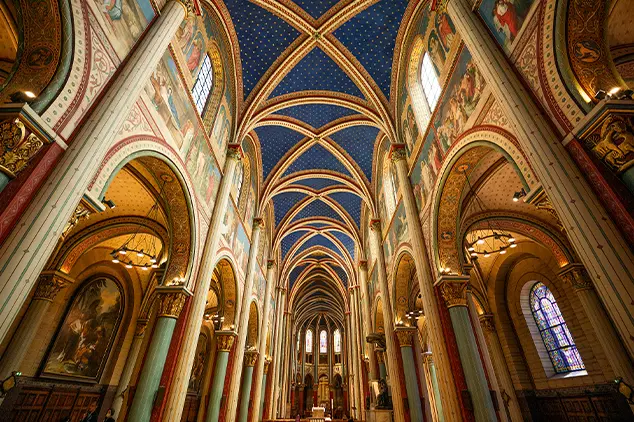
A wide field of view makes it easier to photograph large buildings and small interior spaces.

Wide-angle lenses can also emphasize architectural lines, shapes, and patterns. When shooting indoors, they can help you show more of the room in a single frame.


Travel and Street Photography

Wide-angle lenses are useful when you want to photograph a person while still showing the environment around them.

Getting close to your subject can create a more immersive image and help tell the story of a place.


Astrophotography

A wide-angle lens can capture a large portion of the night sky. This makes it useful for photographing stars, the Milky Way, and night landscapes.

A wide maximum aperture can also be helpful when shooting in low-light conditions.


How to Get Better Results With a Wide-Angle Lens

A wide-angle lens gives you more of the scene, but that does not mean you should always shoot from far away.


Get Closer to Your Subject

One of the easiest ways to make a wide-angle photograph more interesting is to move closer to your subject.

A nearby subject can appear larger and more prominent, while the wider background adds context.


Look for a Strong Foreground

Wide-angle lenses are excellent for creating depth.

Look for something interesting in the foreground and use it to lead the viewer toward the background. This works especially well for landscapes and outdoor photography.


Pay Attention to the Edges

The edges of a wide-angle frame can change how objects appear.

People, buildings, and other subjects near the edges may look stretched, especially when using an ultra-wide lens. Check the edges of your frame before taking the shot.


Try Different Angles

Don’t be afraid to experiment.

Shooting from a low angle can make foreground objects look larger and create a stronger sense of depth. Moving your camera higher or changing your position can produce an entirely different composition.


Understanding Wide-Angle Lens Distortion

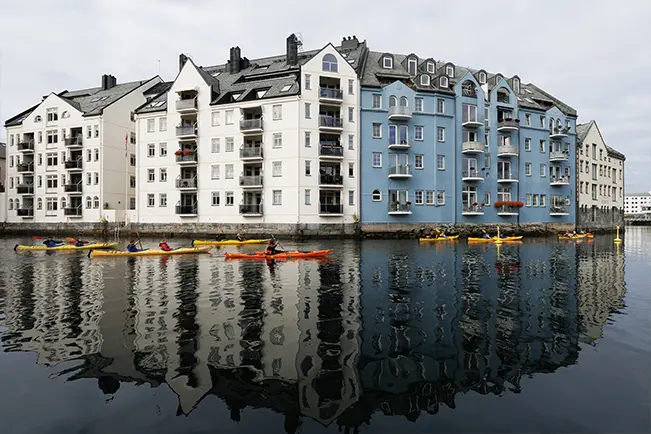
Wide-angle lenses can make straight lines and objects near the edges of the frame appear stretched or distorted.

This effect is not always a problem. In fact, it can be used creatively to make photographs feel more dynamic.

However, when photographing people or architecture, pay attention to your camera position. Keeping important subjects closer to the center of the frame can help reduce unwanted distortion.

Wide-Angle Prime or Zoom: Which Is Better?

Both wide-angle prime and zoom lenses have their advantages.

A prime lens has a fixed focal length. It can offer a wide aperture, compact design, or strong optical performance depending on the lens.

A zoom lens gives you more flexibility because you can change the focal length without changing lenses. This can be especially useful when traveling or photographing different types of subjects.

If versatility is important to you, a wide-angle zoom can be a practical choice for landscapes, architecture, travel, and everyday photography.

How to Choose the Right Wide-Angle Lens

Before choosing a wide-angle lens, consider how and where you plan to use it.

Focal length
Think about how wide you want your field of view to be. A moderate wide angle may be more versatile, while an ultra-wide lens can capture much larger scenes.

Aperture
A wider maximum aperture can be useful for low-light photography, astrophotography, and creating background separation.

Autofocus
Fast and accurate autofocus can be important for moving subjects, street photography, and video.

Image stabilization
Image stabilization can help when shooting handheld, particularly in low-light situations.

Size and weight
If you often travel or hike with your camera, a smaller and lighter lens may be easier to carry.

Camera compatibility
Always check that the lens mount is compatible with your camera. Sensor format also affects the effective field of view.


Key Takeaways

A wide-angle lens can help you capture more of the scene while creating a strong sense of depth and perspective.

Remember these basic tips:

  • Use wide-angle lenses for landscapes, architecture, interiors, travel, and astrophotography.
  • Move closer to your subject to create stronger depth.
  • Use foreground elements to make landscape images more engaging.
  • Watch the edges of the frame for unwanted distortion.
  • Experiment with different camera angles and perspectives.
  • Choose your focal length based on the type of photography you enjoy.

The best wide-angle lens is ultimately the one that fits your camera, your subjects, and your shooting style.

Explore the World Wider

A wide-angle lens isn’t just about fitting more into the frame. It gives you another way to see and tell a story.

Whether you’re photographing a dramatic landscape, a city street, a beautiful interior, or the night sky, a wide-angle lens can help you create images with greater depth, perspective, and impact.

Explore TAMRON wide-angle lenses and find the focal length that fits your photography.

a064 resolution

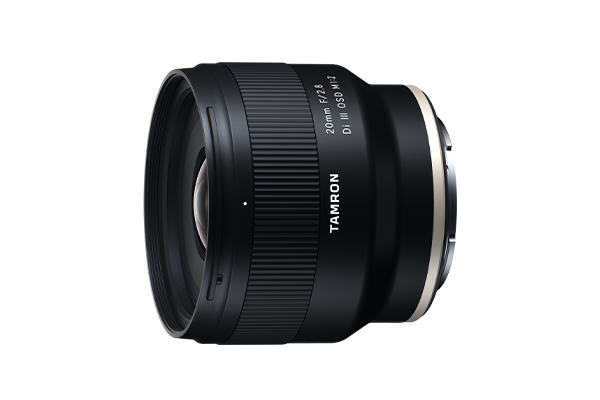
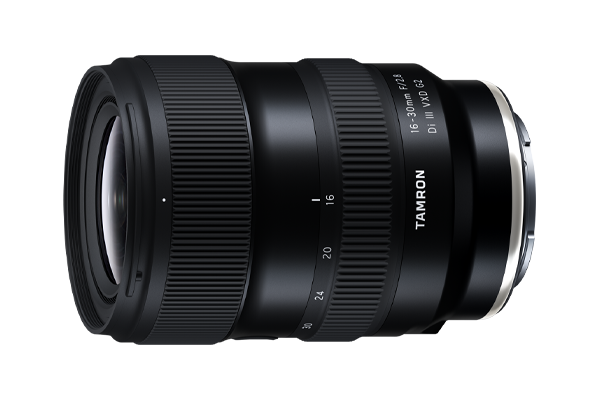
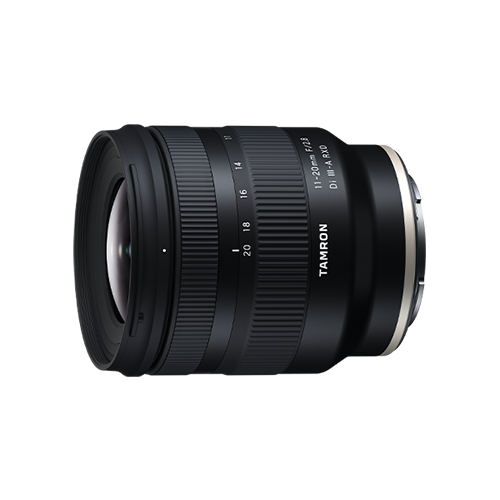
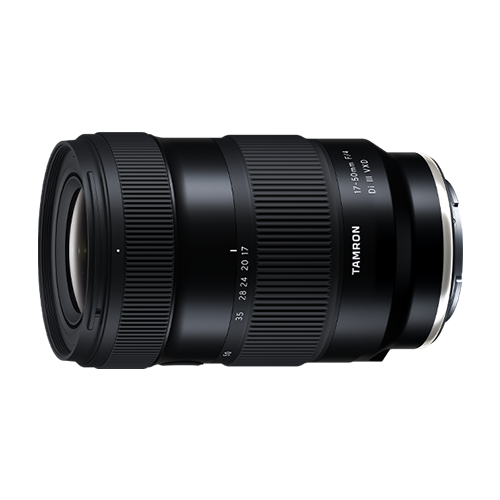
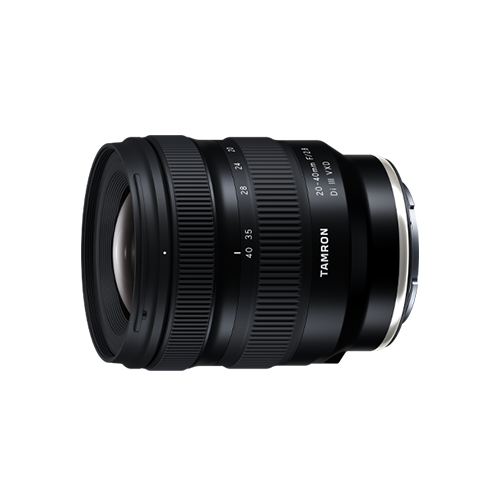
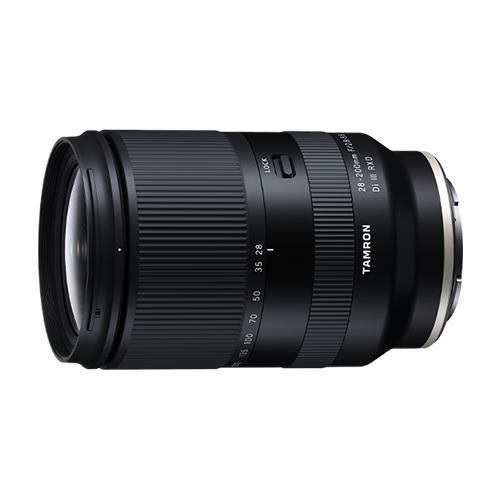
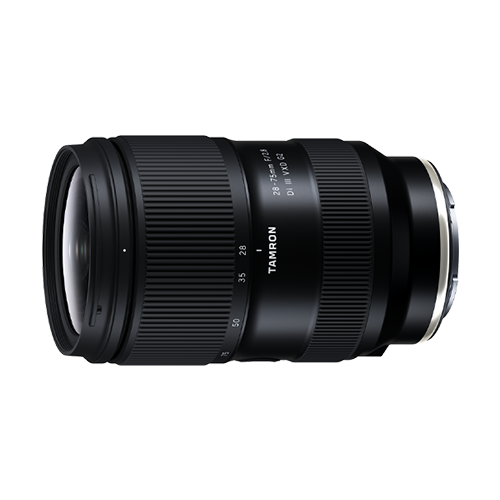
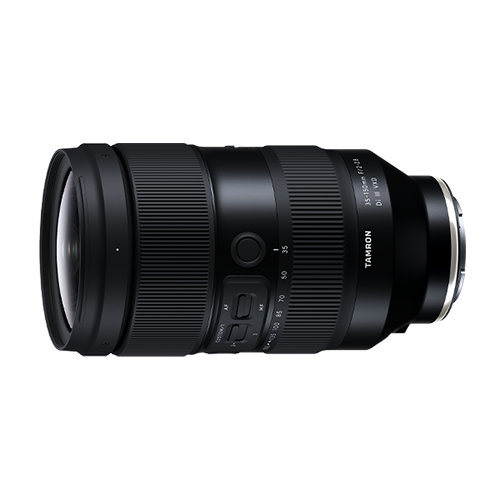
TAMRON products mentioned in this article