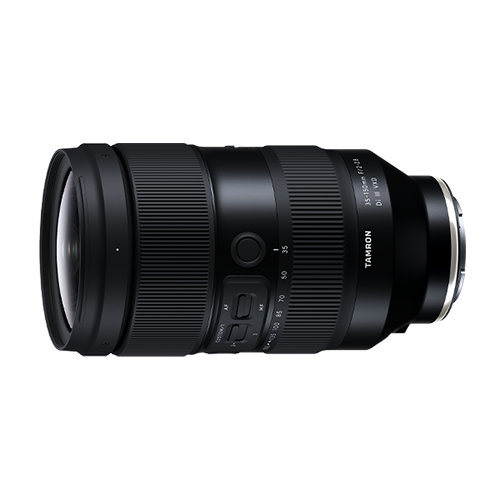

What Is Vlogging? A Beginner’s Guide to Creating Vlogs and Choosing the Right Lens
Vlogging has become one of the most popular ways to share everyday experiences, hobbies, travel adventures, food, and creative ideas through video. Unlike traditional blogs that primarily use text and photographs, vlogs combine moving images, sound, music, and narration to tell a story.
You can start vlogging with a smartphone, but an interchangeable-lens camera gives you more flexibility when you want greater control over the look and feel of your videos. With the right lens, you can capture everything from handheld selfies and indoor scenes to travel footage and cinematic-looking shots.
In this guide, we’ll explain what vlogging is, how to start making a vlog, what equipment you need, and what to look for when choosing a lens for vlogging.
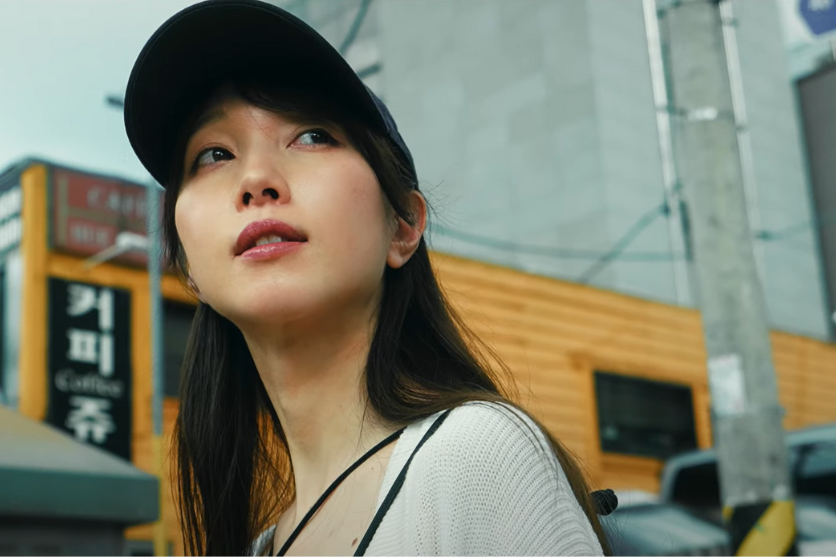
What Is Vlogging?
The word vlog comes from “video blog.” Instead of sharing experiences primarily through written articles and photographs, vloggers use video to document their daily lives, interests, travels, hobbies, and activities.
A vlog can be as simple as a short video showing what you did during the day or as carefully produced as a cinematic travel film.
One of the biggest advantages of video is that it allows viewers to experience more than just the subject itself. Facial expressions, voices, movement, ambient sounds, and the surrounding environment can all help communicate the atmosphere of a particular moment.
Vlogs are commonly shared on platforms such as YouTube, Instagram, and TikTok. Since smartphones can already record high-quality video, getting started can be relatively simple.
Popular Types of Vlogs
There are many different types of vlogs, and you don’t need to follow a specific format. Choosing a subject that genuinely interests you can make it easier to continue creating videos.
Daily Vlogs
A daily vlog documents ordinary moments from your everyday life.
You might record your morning routine, commute, workday, shopping trip, hobbies, cooking, or weekend activities.
The appeal of daily vlogs often comes from their natural and personal feeling. You don’t necessarily need an elaborate production. Simple moments can become interesting when they are presented as part of a story.
Travel Vlogs
Travel vlogs document trips, destinations, food, activities, and memorable moments.
A good travel vlog can give viewers the feeling of experiencing a destination with you. Wide shots can establish the location, while close-ups and detail shots can show food, architecture, people, and other interesting moments.
A lightweight camera and versatile lens can be particularly useful because travel often involves moving between many different locations.
Cooking Vlogs
Cooking vlogs focus on preparing food, visiting restaurants, or sharing meals.
Video allows you to capture details that photographs cannot, including the sound of chopping ingredients, cooking, and serving food. Close-up shots can also make food preparation more visually interesting.
Family Vlogs
Family vlogs document everyday family activities, celebrations, trips, and other memorable moments.
Because these videos can contain personal information, always consider privacy when filming family members, especially children. Get permission when appropriate and avoid showing information such as home addresses, school names, or other identifying details.
Cinematic Vlogs
Cinematic vlogs place more emphasis on visual style, composition, movement, lighting, color, and editing.
Techniques such as slow motion, time-lapse, different camera angles, background blur, and carefully selected music can give ordinary scenes a more cinematic appearance.
A camera with interchangeable lenses can provide greater creative control, especially when you want to experiment with depth of field and different perspectives.
How to Start Vlogging With a Camera
You don’t need an extensive collection of equipment to start.
In fact, one of the easiest ways to learn is to begin with whatever camera you already have and gradually add equipment as you understand your shooting style.
Here are the main things to consider.
1. Choose a Camera
There are three common types of cameras used for vlogging.
Smartphone
A smartphone is one of the easiest ways to start because you probably already have one.
Modern smartphones can produce high-quality video, and their compact size makes them convenient for travel and everyday recording.
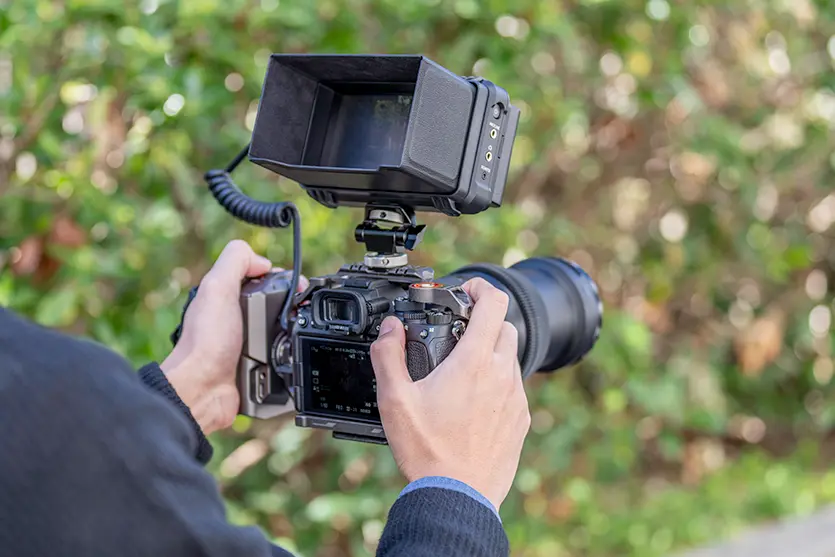
Interchangeable-Lens Camera
An interchangeable-lens camera gives you more control over the way your videos look.
You can change lenses depending on the scene, use wider apertures for background blur, and take advantage of features such as advanced autofocus and improved low-light performance.
This makes an interchangeable-lens camera particularly useful if you want to develop your video work beyond casual smartphone recording.
Action Camera
Action cameras are small, lightweight, and designed for situations where a conventional camera may be difficult to use.
They can be useful for outdoor activities, sports, travel, and situations where you need a compact and durable camera.
2. Don’t Forget the Microphone
Good video isn’t only about image quality.
Audio is an important part of a good vlog.
Viewers need to clearly hear your voice, conversations, narration, and important sounds. Depending on your setup, an external microphone can significantly improve audio quality.
A directional microphone can help prioritize sound coming from the direction of your subject, while a lavalier microphone can be useful when you want to record clear speech while moving around.
If you’re just starting, you don’t need an elaborate audio setup. Begin with something simple and upgrade when you understand what your videos require.
3. Choose the Right Lens for Vlogging
If you’re using an interchangeable-lens camera, the lens can have a major effect on how your vlog looks.
One of the first things to consider is focal length.
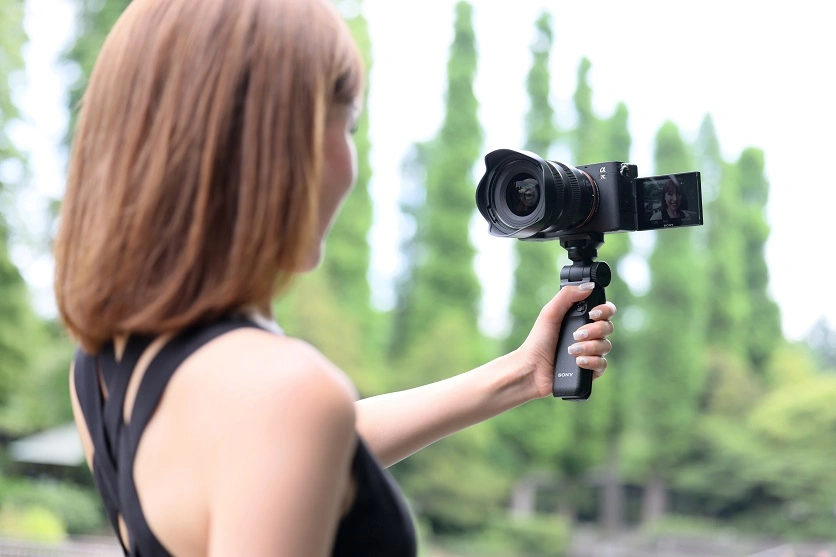
A wide-angle lens can capture more of the surrounding environment, making it useful for handheld selfies, indoor shooting, travel scenes, and locations where you don’t have much room to move.
A standard zoom lens provides a more natural perspective and can be useful for everyday scenes, people, and general-purpose video.
An all-in-one zoom lens can be particularly convenient for travel because a single lens can cover a wide range of shooting situations.
Wide-Angle Lenses for Vlogging
Wide-angle lenses are especially useful when you want to include yourself and the surrounding environment in the same frame.
This can be helpful when:
- Shooting handheld selfies
- Recording inside small rooms
- Filming travel destinations
- Showing landscapes and architecture
- Recording group activities
- Creating dynamic perspectives
A wider focal length can also make it easier to hold the camera at arm’s length while keeping your face and background within the frame.
For vloggers who frequently record themselves while walking or traveling, this can be an important consideration.
Standard Zoom Lenses for Vlogging
A standard zoom lens provides flexibility by covering multiple focal lengths.
Instead of changing lenses every time your subject or shooting distance changes, you can simply adjust the zoom.
This is useful for everyday vlogs where you may move between:
- Selfie shots
- People and conversations
- Food
- Indoor scenes
- Travel locations
- Detail shots
A compact standard zoom can therefore work well as an everyday video lens.
What Lens Features Should You Look for When Vlogging?
Choosing a lens for video isn’t only about focal length. Several other characteristics can affect your shooting experience.
1. Wide Angle of View
If you frequently film yourself, a wider angle of view can make handheld shooting easier.
It allows you to include more of the surroundings without having to hold the camera extremely far away.
2. Large Maximum Aperture
The maximum aperture determines how much light the lens can collect.
A lens with a large maximum aperture, such as F2.8, can be useful in indoor or low-light situations. A large aperture can also create a shallower depth of field, helping separate the subject from the background.
This can be useful when creating a more cinematic look.
3. Autofocus Performance
Autofocus is especially important when recording yourself.
If you move toward or away from the camera, the lens needs to maintain focus smoothly. A fast and accurate autofocus system can make recording much easier.
Quiet autofocus is also useful because unwanted focusing sounds can potentially be picked up by the camera’s built-in microphone.
4. Image Stabilization
Handheld vlogging can introduce camera shake.
A lens equipped with an image stabilization system, such as TAMRON’s VC (Vibration Compensation) mechanism on compatible models, can help produce steadier footage.
Stabilization can be particularly useful when walking around while recording.
5. Compact Size and Weight
Vlogging often involves carrying your camera for extended periods.
A heavy setup can become tiring when you’re walking around a city or traveling all day.
For this reason, consider the overall size and weight of the camera and lens combination—not just the specifications of the lens itself.
6. Focus Breathing
Focus breathing is a change in the angle of view that can occur as the focus position changes.
It may be less noticeable in photography, but it can become more apparent in video.
If you frequently perform focus transitions in your videos, checking sample footage and reviews for focus breathing can be useful.
7. Smooth Focus Operation
If you plan to manually adjust focus, pay attention to the feel and operation of the focus ring.
A smooth and predictable focus ring can make it easier to create controlled focus transitions.
8. Moisture-Resistant Construction
Travel and outdoor vlogs can expose your camera equipment to changing weather conditions.
A lens with moisture-resistant construction can provide additional peace of mind when shooting outdoors, although it is still important to follow the camera and lens manufacturer’s precautions regarding moisture and water exposure.
These lens-selection considerations—including aperture, focal length, focus breathing, autofocus, stabilization, and portability—are also highlighted in TAMRON’s current vlogging guide.
Simple Tips for Shooting Better Vlogs
Once you have your equipment, the next step is learning how to make your footage more interesting.
Use Different Shot Sizes
Avoid recording everything from exactly the same distance.
Try combining:
- Wide shots to establish the location
- Medium shots to show people and activities
- Close-ups to highlight details
- Moving shots to connect different scenes
Combining different types of shots can make your video feel more dynamic.
Try Different Angles
Changing your camera position can dramatically change the appearance of a scene.
Instead of always shooting from eye level, experiment with:
- Low angles
- High angles
- Side angles
- Over-the-shoulder shots
- Close-up details
Even a simple change in perspective can make familiar scenes more visually interesting.
Think About Composition
Basic photography principles can also be applied to video.
For example, the rule of thirds can help you position your subject in a more balanced way. Instead of placing your subject directly in the center for every shot, try positioning them to one side while leaving space for the environment.
Capture Supporting Footage
Not every part of a vlog needs to show you talking to the camera.
Record additional footage such as:
- Streets
- Food
- Buildings
- Nature
- Your surroundings
- Hands performing an activity
- Close-up details
- People interacting
These clips, often called B-roll, can be used during editing to make the story more engaging.
Keep Your Shots Short
You don’t necessarily need to record everything continuously.
Instead, think about what parts of an experience are important and capture short clips that help tell the story.
This also makes the editing process easier.
Edit Your Vlog
Shooting is only one part of making a vlog.
During editing, you can remove unnecessary footage, arrange your clips, add music, adjust the sound, and include titles or subtitles.
A simple editing workflow can be:
- Import your footage.
- Select the best clips.
- Remove unnecessary sections.
- Arrange the clips into a logical sequence.
- Add music or sound effects where appropriate.
- Adjust the audio levels.
- Add titles or subtitles.
- Review the finished video.
- Export and publish.
You don’t need complicated editing techniques when you’re starting. Focus first on creating a clear story that is easy to follow.
How to Make Your Vlogs More Interesting
A good vlog doesn’t necessarily need expensive equipment.
The most important thing is having something interesting to show or say.
Before filming, ask yourself:
What do I want the viewer to experience?
If you’re making a travel vlog, you might want viewers to experience the destination with you.
If you’re making a cooking vlog, you might want them to follow the process from preparation to the finished dish.
If you’re making a daily vlog, the story might simply be about what makes your day interesting.
Once you understand your story, your choice of shots, lens, audio, and editing can support it.
Be Careful When Publishing Vlogs
Because vlogs often include real people and real locations, there are several things you should consider before publishing.
Respect People’s Privacy
Ask permission before intentionally filming people, particularly when you plan to publish the footage.
Be careful not to accidentally reveal personal information such as:
- Home addresses
- Names on mail
- School names
- Identification cards
- Phone numbers
- Private conversations
This is especially important when filming children.
Check Copyright
Be careful when recording music, television programs, artwork, or other copyrighted material in the background.
When adding music to your videos, use music that you have permission to use or music provided through appropriate royalty-free or licensed sources.
Check Filming Rules
Some locations have restrictions on photography and video recording.
Before using tripods, lighting equipment, drones, or other professional equipment, check the rules of the location where you plan to shoot.
This is especially important when traveling, as regulations and filming etiquette can vary between destinations.
Start Vlogging With the Equipment You Have
You don’t need to buy everything before making your first vlog.
Start with the camera you already have, learn how to frame your shots, practice recording clear audio, and experiment with editing.
As you gain experience, you can identify what is limiting your current setup and choose equipment that solves those specific problems.
If you frequently record yourself, a wider lens may be useful. If you travel often, a compact zoom lens can reduce the need to carry multiple lenses. If you shoot in low light or want more background blur, consider a lens with a larger maximum aperture.
The best setup is ultimately the one that fits what you want to record, where you shoot, and how you want your videos to look.
Vlogging is about sharing experiences and stories. Start small, keep practicing, and gradually develop your own style.
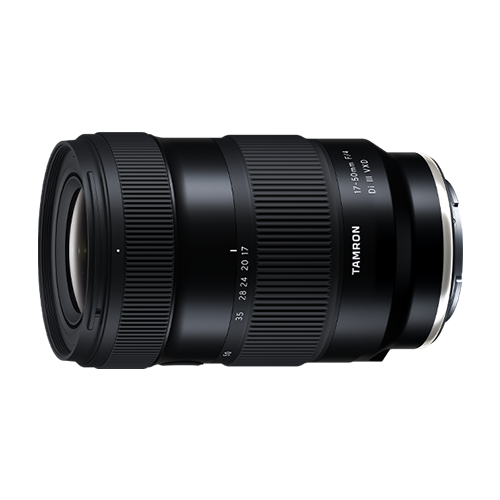
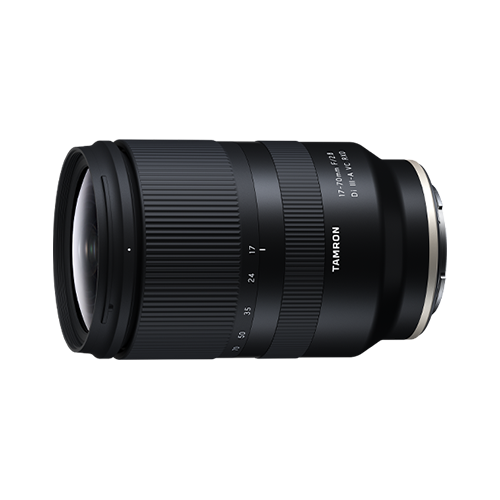
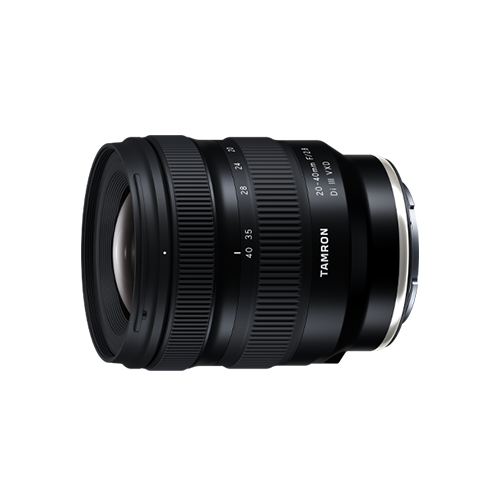
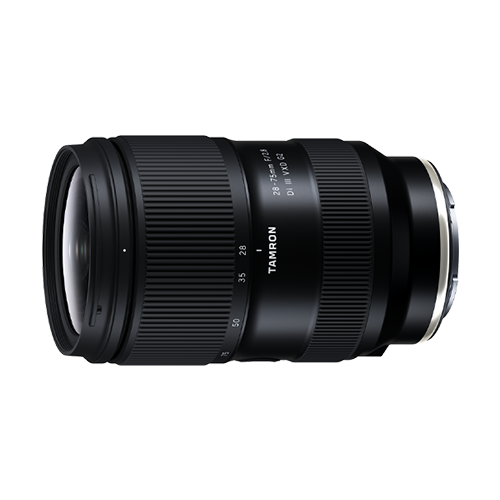
TAMRON products mentioned in this article