
- [Choosing a camera for mountain climbing] Capture beautiful mountain scenery with an easy-to-carry single-lens camera
- April 25, 2025
Choosing a camera for mountain climbing. Capture beautiful mountain scenery with an easy-to-carry single-lens camera
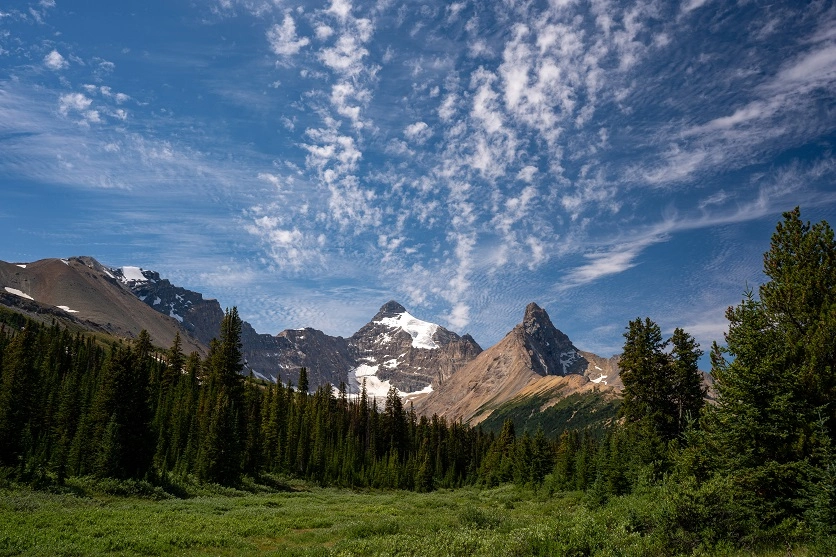
One of the joys of mountain climbing is the spectacular views from the summit and the beautiful natural scenery you encounter along the way. If you want to record these amazing views, you’ll want to take them with a single-lens camera. Although the camera performance of smartphones has improved in recent years, the high image quality of a single-lens camera is perfect for capturing the magnificent scenery you can see down from the mountains and the delicate expressions of nature. In this article, we will explain the points to consider when choosing a camera for mountain climbing and tips for taking photos in an easy-to-understand manner, even for beginners.
Bring a camera to the mountain
To really record the magnificent scenery and delicate expressions of nature you encounter while climbing, we recommend a single-lens camera. The high image quality of a single-lens camera allows you to capture even the finest details of the scenery.
In mountainous areas, sudden changes in light due to weather and time of day are common. Even in scenes where the difference between light and dark tends to be large, a single-lens camera’s wide dynamic range allows you to capture details in dark areas.
Another great thing about a single-lens camera is the ability to change lenses. If you want to take a panoramic view from the top of a mountain, you can use a wide-angle lens, and if you want to capture the delicate figures of wild animals and alpine plants in the distance, you can use a telephoto lens. Another advantage of a single-lens camera is that it can flexibly respond to a variety of subjects and scenes while taking high-quality photos.
Mountaineering landscape photos that can only be taken with an interchangeable lens camera
From here on, we will introduce various landscapes you will encounter while hiking, along with tips on how to take pictures with an interchangeable lens camera.
Looking up at the spectacular mountainside
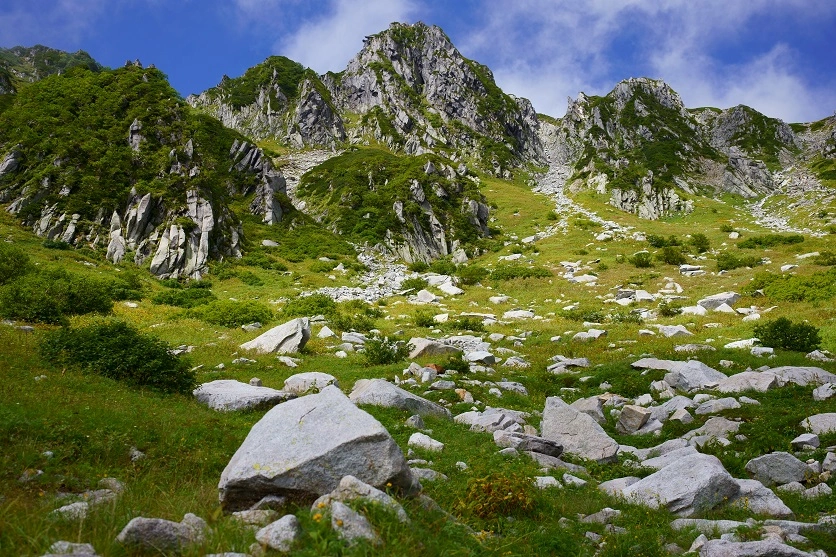
TAMRON 35mm F2.8 (Model F053) Focal length: 35mm Exposure: F4 Shutter Speed: 1/1250sec ISO: 100
Mountain surfaces, which tell the story of the mountain’s character, are a particularly striking subject in mountaineering photography. The high resolution of a single-lens camera and the depictive power of a superior lens make it possible to capture in minute detail the texture and unevenness of the rock surface, as well as the subtleties of moss and snow.
In particular, the shadows on the mountain surface created by the slanting light in the mornings and evenings bring out a three-dimensional effect, making for even more impressive photographs. Shooting in the early morning at the magic hour of sunset will help you capture an emotional atmosphere and shadows. Pay attention to the exposure settings and try not to miss any details on the mountain surface.
Mountain Ridge
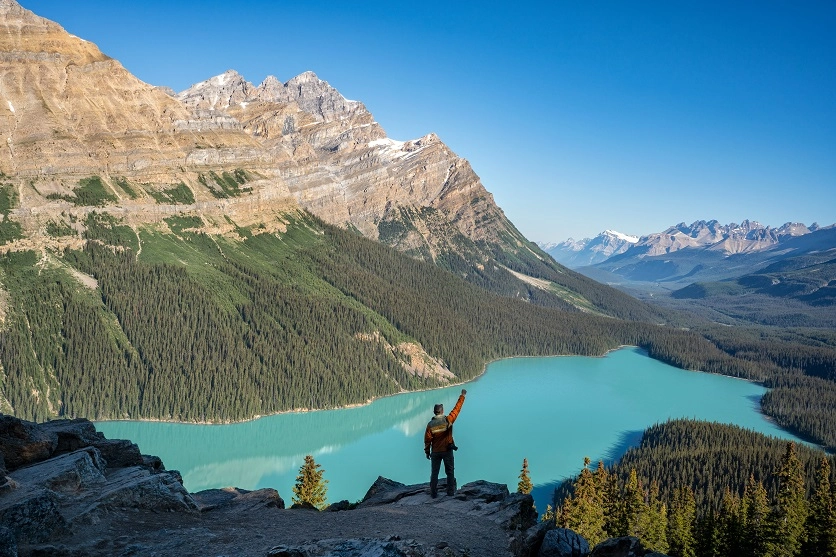
TAMRON 20-40mm F2.8 (Model A062) Focal length: 38mm Exposure: F14 Shutter Speed: 1/30sec ISO: 200
Mountain ridgelines are subjects that allow you to feel the beauty of the shapes created by nature. Capturing beautiful ridgelines with a wide-angle lens allows you to express the majesty and scale of the mountains. By taking advantage of the perspective of a wide-angle lens and placing rocks or flowers in the foreground, you can create a spectacular landscape photo with more depth.
On the other hand, if you want to focus on a distant ridgeline, we recommend using a telephoto lens to capture the fine details. The impression of a ridgeline changes depending on the time of day and weather, so it’s a good idea to try taking photos at different times and seasons.
Scenery at the foot of the mountain
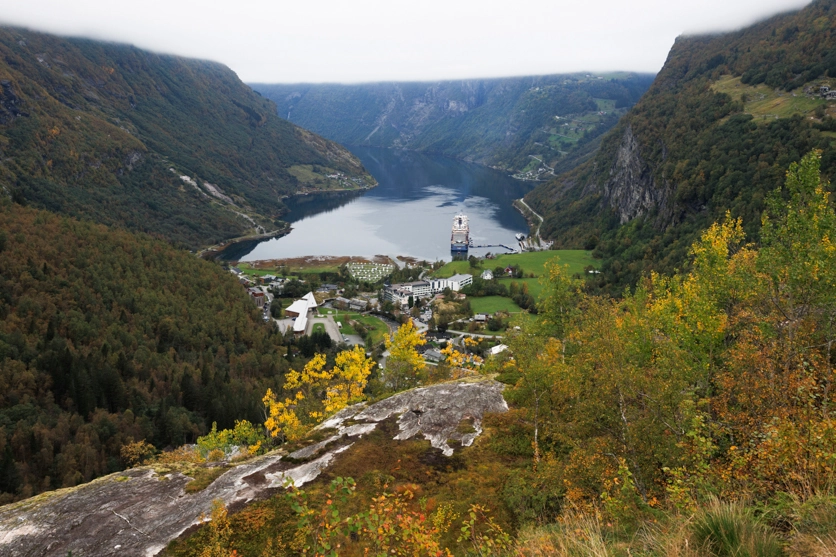
TAMRON 11-20mm F2.8 (Model B060) Focal length: 20mm Exposure: F4 Shutter Speed: 1/40sec ISO: 100
The appeal of mountaineering photography is not limited to the scenery of the mountain itself. The scenery at the base of the mountain seen from a high vantage point also makes a wonderful subject. Capturing the vast scenery at the base of the mountain with a wide-angle lens creates a composition with a sense of depth, which expresses the relationship between the mountain and people’s lives.
Also, the villages and rural scenery at the base of the mountain seen from the summit can be depicted impressively by taking advantage of the compression effect of a telephoto lens. Furthermore, the unique colors that appear through the layers of air created by the difference in altitude are one of the scenery that can be beautifully recorded with the rich gradation expression of a single-lens camera. Especially on hazy days, the colors change depending on the sense of distance, making it a chance to take fantastical landscape photos.
Beautiful sea of clouds
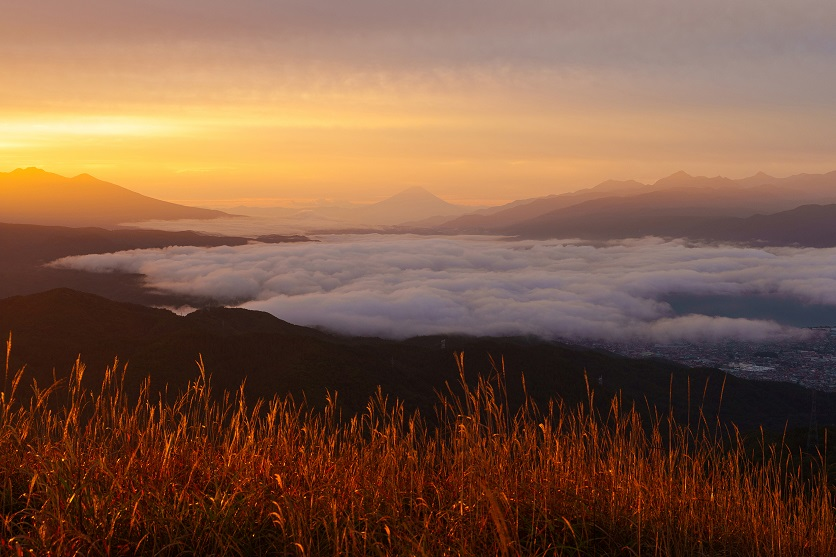
TAMRON 17-50mm F4 (Model A068) Focal length: 50mm Exposure: F8 Shutter Speed: 1/125sec ISO: 200
Many people go mountain climbing to see the sea of clouds. By taking advantage of the high image quality of a single-lens camera, you can capture the texture of the clouds in detail and in three dimensions.
When photographing the sea of clouds, pay attention to the timing so you don’t miss the ever-changing expressions of the sea of clouds. The moment when the mountains emerge from the sea of clouds is particularly mystical. In such a scene, you can create a more impressive shot by being creative with your composition.
Beautiful light of sunrise
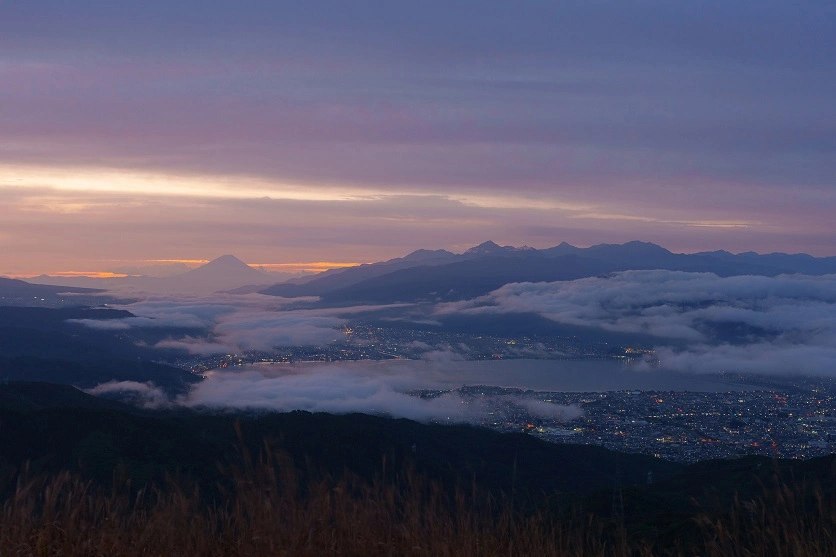
TAMRON 17-50mm F4 (Model A068) Focal length: 50mm Exposure: F8 Shutter Speed: 1/125sec ISO: 200
As with the sea of clouds, some people go mountain climbing to see the sunrise. Shooting in backlight is not easy, but with a single-lens camera you can capture details, including the contrast between light and dark. Make use of exposure compensation and be careful not to overexpose or crush the shadows.
You can also use accessories such as ND filters to beautifully combine the strong light of the sun with the surrounding scenery. The twilight period before sunrise (blue hour) is also a good chance to take fantastic landscape photos.
Night view and starry sky
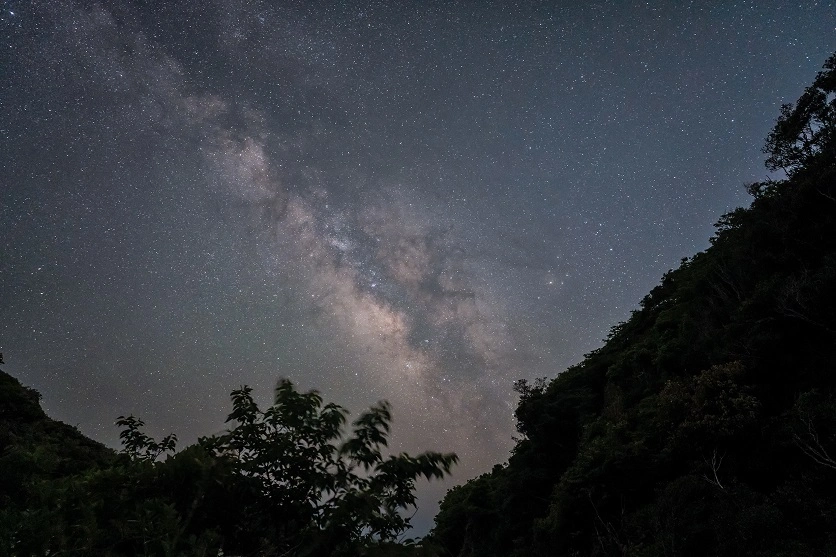
TAMRON 20-40mm F2.8 (Model A062) Focal length: 20mm Exposure: F2.8 Shutter Speed: 13sec ISO: 8000
Use a tripod and take long exposure photos of night scenes. Adjust the ISO sensitivity and shutter speed to capture the delicate starry sky brightly. For more serious photography, capturing star trails using bulb shooting is a photographic expression unique to SLR cameras. In mountainous areas with little light pollution in particular, you may be able to capture clear images of the Milky Way.
Advance preparation, such as equipment and weather, is essential for starry sky photography. For more detailed photography tips, please also refer to this article.
Tips for choosing the right camera for mountain climbing
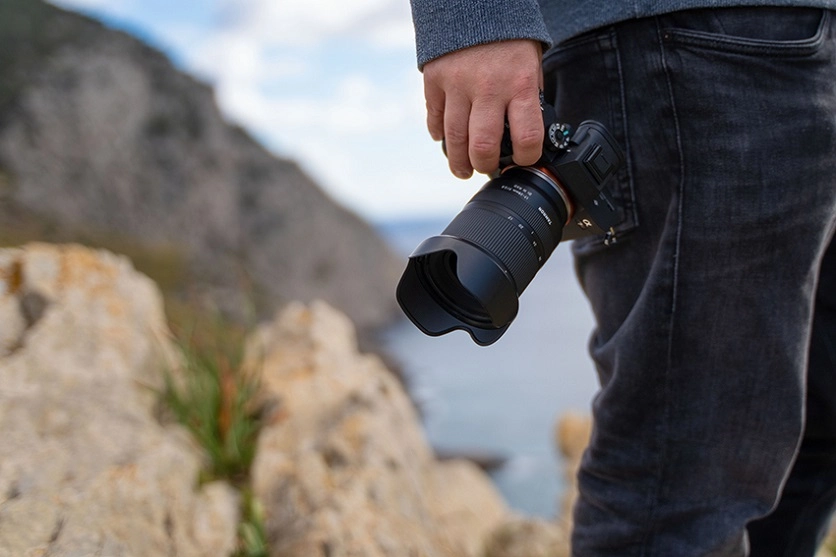
There are a few important points to consider when choosing a camera to use while mountain climbing. Keeping the following points in mind will help you to avoid mistakes.
1) Decide what you want to shoot
The first thing to think about is “what do you want to shoot?” The best camera and lens will vary greatly depending on the subject and photo you want to shoot. Imagine the subject in detail: will you mainly be taking pictures of vast landscapes, close-ups of plants, or moving objects such as animals? If you are also
considering video shooting, you should also check the autofocus (AF) performance and image stabilization function. Recent mirrorless single-lens cameras have improved video performance, so you can enjoy shooting both still images and videos.
Also, if you want to take starry sky photos seriously, a full-frame single-lens camera with excellent high-sensitivity performance is best. In this way, by clarifying what you want to shoot, you can see your priorities.
2) Types of cameras
There are two main types of interchangeable-lens cameras: mirrorless interchangeable-lens cameras and single-lens reflex cameras. If you are thinking of using a mirrorless interchangeable-lens camera for mountain climbing, it is easier to use as there are many small and lightweight models. If
you are only considering portability, there is also the option of a compact digital camera, but an interchangeable-lens camera with interchangeable lenses will allow you to take on more diverse and authentic expressions.
3) Sensor size
One of the important factors when choosing a single-lens camera is the sensor size. Generally, full-frame cameras have excellent image quality and high sensitivity performance, and are especially useful when shooting in dark places or making large prints. On the other hand, APS-C size cameras have a good balance of image quality and portability, and many of the lenses are lightweight and compact, so they are also recommended for beginner mountaineers.
There are also smaller formats such as Micro Four Thirds, but depending on the subject you want to shoot, they may not have sufficient high sensitivity performance. Therefore, if you are looking for a balance between ease of use and high image quality, an APS-C size mirrorless interchangeable-lens camera would be suitable.
4) Lightweight and compact
When choosing a camera for mountain climbing, it is important to pay particular attention to its lightness and compactness. Small and lightweight cameras put less strain on the body, making them comfortable to shoot for long periods of time or on steep mountain climbs. Beginners, in particular, will find it easier to continue if they start with a lightweight model.
Compact cameras also have the advantage of being less bulky and easier to take out and shoot in tight spaces. Since you often encounter sudden encounters and changing scenery while climbing, equipment that can be quickly put into shooting position is useful.
5) Dust and water resistance
The weather in the mountains changes drastically, and it is not uncommon to be hit by sudden rain or fog. Therefore, by choosing a camera with a Moisture-Resistant Construction, you can continue shooting with peace of mind even in bad weather.
Also, dustproof performance will reduce damage to the inside of the camera, even on mountain trails with a lot of sand and dirt. Even if it is not completely waterproof, a camera with a Fluorine Coating and Moisture-Resistant Construction is suitable for shooting in the mountains.
6) Image quality and depiction performance
Also, even if the specifications appear to be similar in the catalog, each model has its own unique atmosphere and color reproduction. It is also important to check the actual sample before purchasing and choose a camera with a depiction that is close to your preferences. If you are aiming to create serious works, you can print in detail even on A4 size or larger by choosing a model with a high number of pixels.
7) Battery performance
Since the charging environment is limited in the mountains, be sure to check the battery life in advance. Also, batteries tend to wear out faster than usual in low temperature environments. If you are planning to shoot in the winter mountains or early in the morning, it is best to estimate the battery life lower than the actual performance.
8) Operability
When shooting while climbing mountains, it is ideal to have a camera that can be operated smoothly even while wearing gloves. Be sure to actually pick up the camera and check the size and placement of the buttons, and the ease of use of the operation dials. Especially in environments such as winter mountains where you wear thick gloves, there will be many situations where you will use physical buttons and dials rather than fine touch panel operations, so it is essential to check the operability in advance.
How to choose the right lens for your mountaineering camera
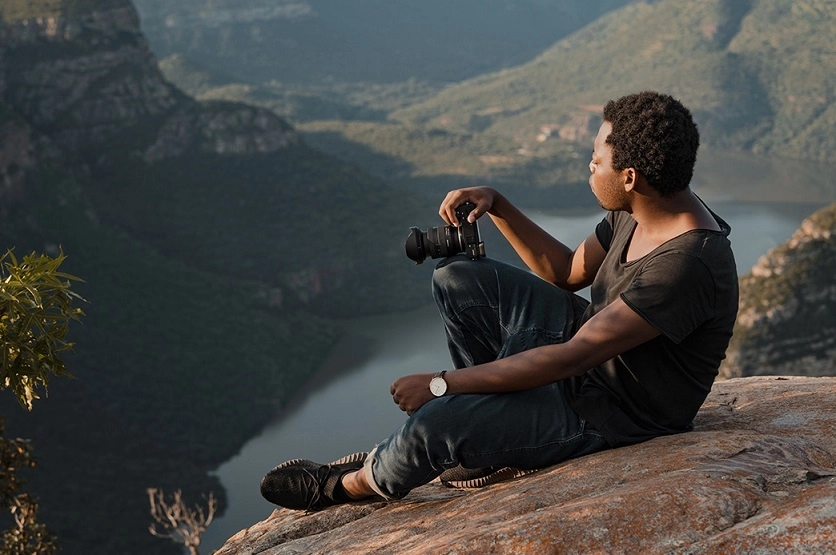
The appeal of a single-lens camera is that the range of expression can be expanded by changing the lens. Here, we will explain how to choose the right lens for mountain climbing.
1) Choose a lens that matches your camera body
First, as a basic point, choose a lens that is compatible with the mount and sensor size of your camera. Even if the mount standards are different, it may be possible to make it compatible with a mount adapter. However, it is necessary to check in advance as not all functions are supported.
Also, full-frame lenses can be attached to APS-C size cameras, but if you attach an APS-C size lens to a full-frame camera, part of the image may be missing. Therefore, check the camera mount and sensor size before starting to choose the appropriate lens.
2) Check the weight and size
Just like the camera body, it is important for lenses to be lightweight and compact. We recommend that beginners and those who are not confident in their physical strength choose lenses that are as lightweight as possible.
Compact lenses also do not take up much space in your luggage and do not take up much space in your camera bag. When hiking, it is basic to carry only the bare necessities, so be sure to choose a lens with its size in mind.
3) Lens type and focal length
As mentioned above, the type of lens that is suitable for mountain climbing varies depending on the subject you are shooting.
Wide-angle lenses (approximately 35mm or less) are ideal for expressing the grand scenery of mountains and the expanse of space. If you are mainly shooting landscapes, consider a wide-angle lens.
A standard lens (approximately 50mm or less) has a natural angle of view and can capture everything from landscapes to people. With just one lens, you can handle a variety of scenes.
A telephoto lens (approximately 80mm or more) can capture distant mountain ranges or close-ups of distant wild animals and flowers. You can also use the compression effect to emphasize the impression of the mountain ranges.
In addition, an All-in-one zoom lens that covers everything from wide-angle to telephoto in one lens is a highly versatile lens. It is convenient for mountain climbing because it can be used for a variety of scenes and saves the trouble of changing lenses.
4) Moisture-Resistant Construction
Just like the camera body, by choosing a lens with a Moisture-Resistant Construction, you can continue shooting with peace of mind even if the weather suddenly turns bad. If prolonged rain is expected, it is even more reassuring to use a simple rain cover in combination.
5) Maximum aperture
The maximum aperture, which is a guide to the brightness of a lens, is also an essential factor in choosing a lens. Lenses with maximum apertures of F2.8 or F4 make it easier to take brighter photos even in environments with insufficient light, such as before dawn or at dusk. In addition, you can use a faster shutter speed without increasing the ISO sensitivity, which has the advantage of reducing blurring when shooting handheld.
6) Imaging performance
To capture beautiful mountain scenery, check the imaging performance of the lens. A lens with good resolution can clearly depict the fine texture of the mountain surface and the unevenness of the rocks. In addition, a lens with excellent contrast and color reproduction can more faithfully express the beauty of mountain scenery. Check out actual sample images to see if you can get the depiction you want.
7) Autofocus (AF) performance
Even when taking photos while hiking, you may capture moving objects such as moving clouds or wild animals. For this reason, it is important to choose a lens with good AF performance that allows for smooth, stress-free focusing.
In addition, lenses that are quiet and have excellent motion tracking capabilities are also suitable for photographing wary subjects such as wild animals. If you want to photograph wild animals you encounter in the mountains, choose a lens with a quiet AF drive.
8) Vibration Compensation
When climbing mountains, you will often be shooting handheld without using a tripod, so having a Vibration Compensation mechanism will help you take stable photos. Telephoto lenses are particularly prone to camera shake, so in addition to checking whether the lens has a Vibration Compensation mechanism, you should also check how effective it is.
9) Operability
Lenses with focus and zoom rings that are easy to operate have the advantage of being easy to use even in cold climates or when wearing gloves. Rings that are smooth and have a moderate hardness are particularly effective in preventing operational errors when shooting in winter mountains. It’s also a good idea to actually touch the rings to check how smoothly they switch from AF to MF.
Must-have accessories for mountain climbing
In addition to cameras and lenses, having the right accessories will make taking photos while climbing more comfortable and professional. Here we will introduce some of the most commonly used accessories.
Mountaineering bags
To carry your camera safely, you will need a special bag or case. For mountain climbing, we especially recommend a backpack with a camera compartment. There are many situations when you want to keep both hands free while climbing, so it is convenient to have a bag that allows you to take out your camera quickly. In addition, a waterproof and shock-absorbing bag will protect your camera from rain or if you should fall over.
Tripod
A tripod is essential for more serious landscape photography, especially when shooting low-light scenes such as sunrises, sunsets, and stargazing. If you are taking one with you on a hike, it is important to choose a tripod that is lightweight and has sturdy legs. Small tabletop tripods and mini tripods are also useful for shooting on rocky areas or taking sunrise shots. Other convenient items include a tripod head that is compatible with trekking poles, which can serve as a tripod without adding to your luggage.
Spare battery
As mentioned above, there are no charging facilities in the mountains, so we recommend that you carry at least one spare battery. Batteries will wear out faster in low-temperature environments, especially in winter mountains, so it’s a good idea to have more than usual. It’s a good idea to keep unused batteries in an inner pocket so they can be warmed by body heat.
Many modern cameras support USB charging, so we also recommend carrying a small mobile battery.
Spare memory cards
If you have multiple high-speed, large-capacity memory cards, you can take continuous shots, shoot 4K videos, and do other serious photography without stress. Especially when shooting RAW with a high-resolution camera, a card with a large capacity is essential. To spread out the risk even more, you can also save data in small portions on multiple small-capacity cards. This reduces the risk of losing all your data if one card is damaged.
Let’s take beautiful mountain scenery with an interchangeable-lens camera
For mountain climbing, we recommend cameras and lenses that are lightweight and compact, and have a good image quality. To enjoy photography that is characteristic of an interchangeable-lens camera, it is a good idea to use different lenses that match the image you want to capture. Also, check out the tips for taking good landscape photos, and improve your skills through practice.

Lens Featured in this Impression
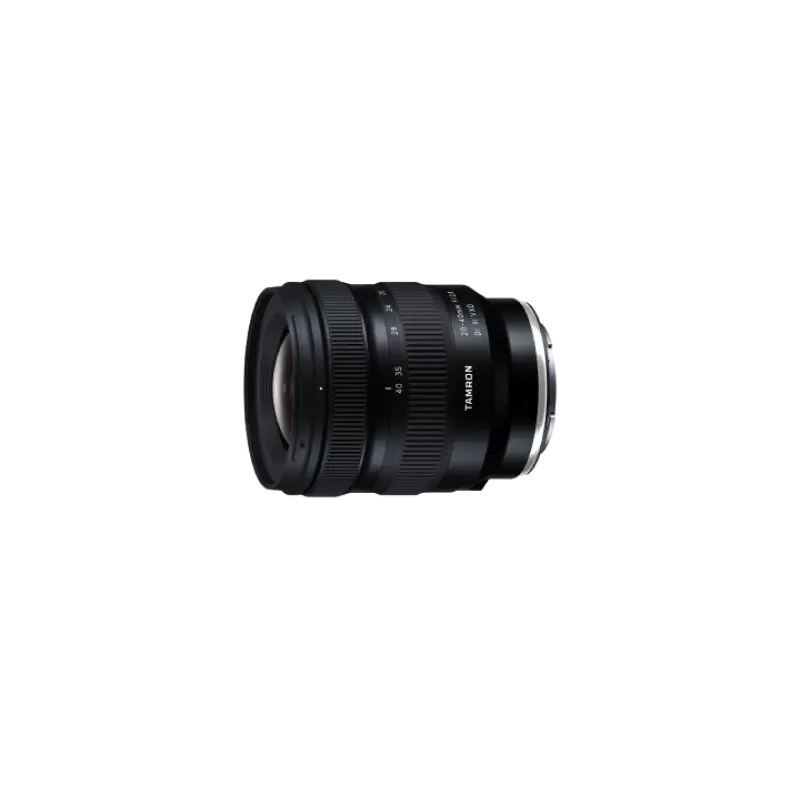
20-40mm F/2.8 Di III VXD (Model A062)
The 20-40mm F/2.8 Di III VXD (Model A062) is a new large-aperture standard zoom lens that thoroughly pursues portability. While covering the range from the ultra-wide angle of 20mm to the standard range of 40mm, it is the smallest and lightest in its class. It also offers high image quality throughout the entire zoom range, making it useful not only for still image shooting but also for video recording such as vlogging. The VXD, which is quiet and agile, achieves high-speed, high-precision autofocusing. It is a new, unprecedented large-aperture standard zoom lens that allows users to easily enjoy taking out and shooting both still and video.
Learn more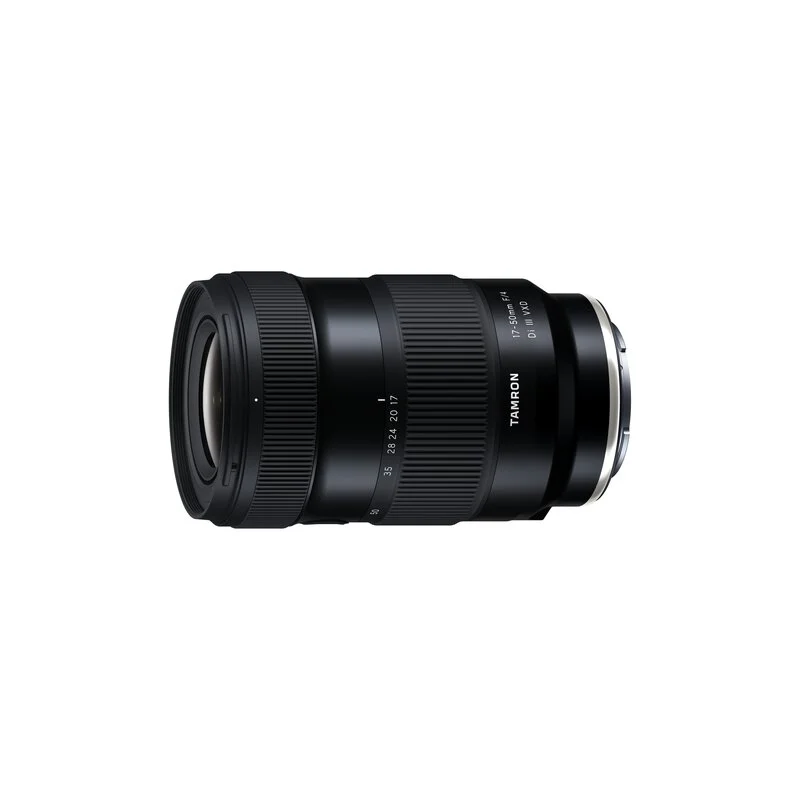
17-50mm F/4 Di III VXD (Model A068)
It's the world’s first lens covering from ultra wide-angle 17mm to the standard 50mm focal length. The highly-compact TAMRON 17-50mm F/4 Di III VXD (Model A068) for Sony E-mount full-frame mirrorless cameras offers maximum versatility for still and video creators. From landscapes to living rooms, this lens captures all that you see.
Learn more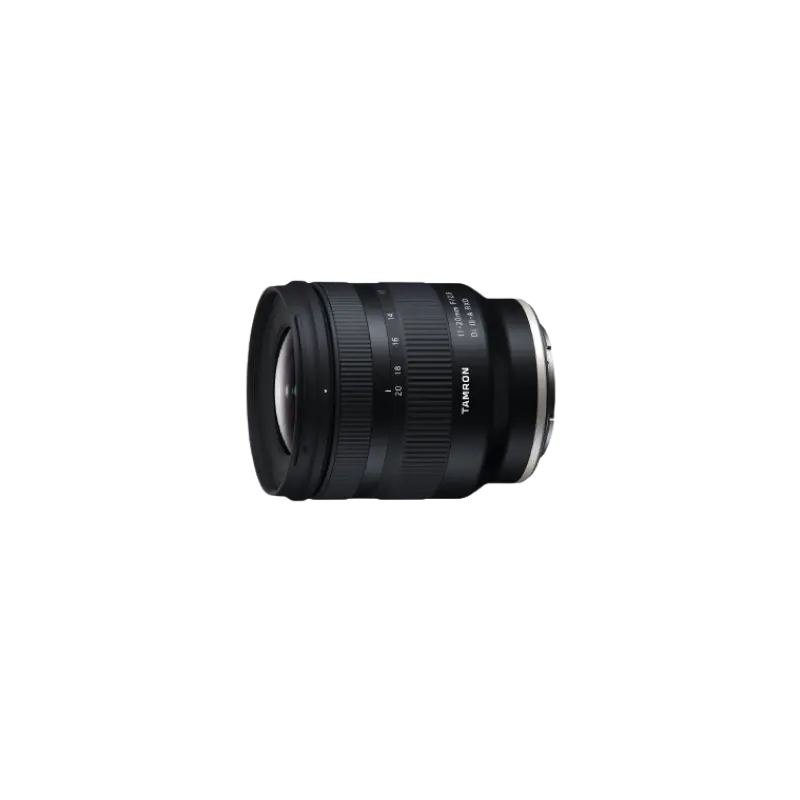
11-20mm F/2.8 Di III-A RXD (Model B060)
11-20mm F/2.8 Di III-A RXD (Model B060) is the world's first compact, lightweight F2.8 ultra wide-angle zoom lens for Sony E-mount APS-C mirrorless cameras. Can be a great choice for video shooting.
Learn more
28-300mm F/4-7.1 Di III VC VXD (Model A074)
28-300mm F/4-7.1 Di III VC VXD (Model A074) is a compact and versatile all-in-one 10.7x zoom lens for Sony E-mount. The lens boasts class-leading high image quality, and is equipped with high-speed AF VXD and VC. Go from wide-angle to long telephoto in an instant and capture every moment of the world around you.
Learn more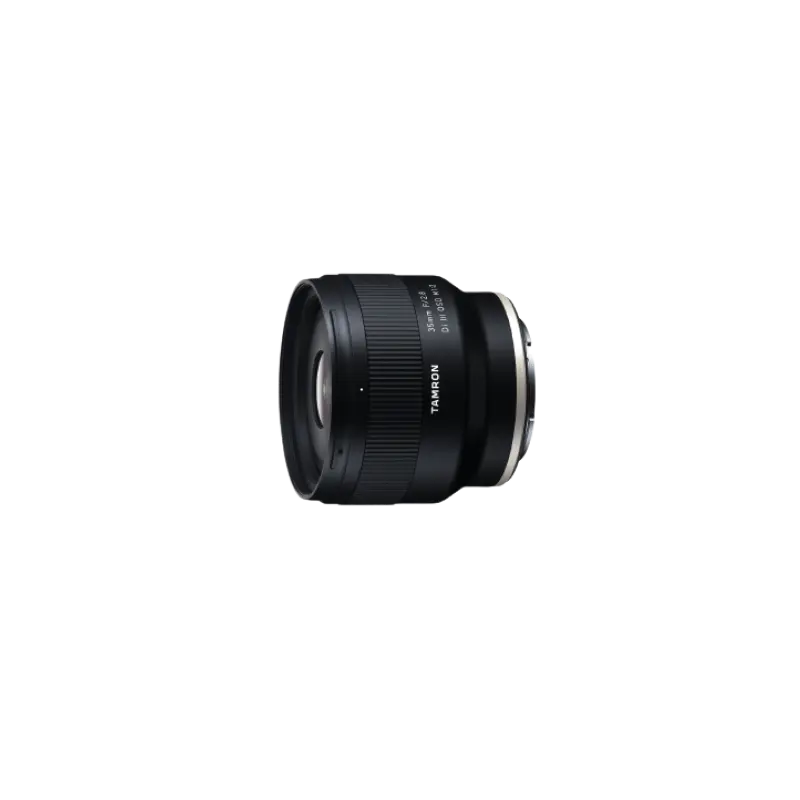
35mm F/2.8 Di III OSD M1:2 (Model F053)
The 35mm F/2.8 Di III OSD M1:2 is an F/2.8 large aperture fixed focal lens. The MOD (Minimum Object Distance) is 0.15m. You can enjoy the beautiful bokeh that brings out the subject.
Learn more