
- What is autofocus (AF)? A detailed explanation of typical types and usage
- December 20, 2024
What is autofocus (AF)? A detailed explanation of typical types and usage
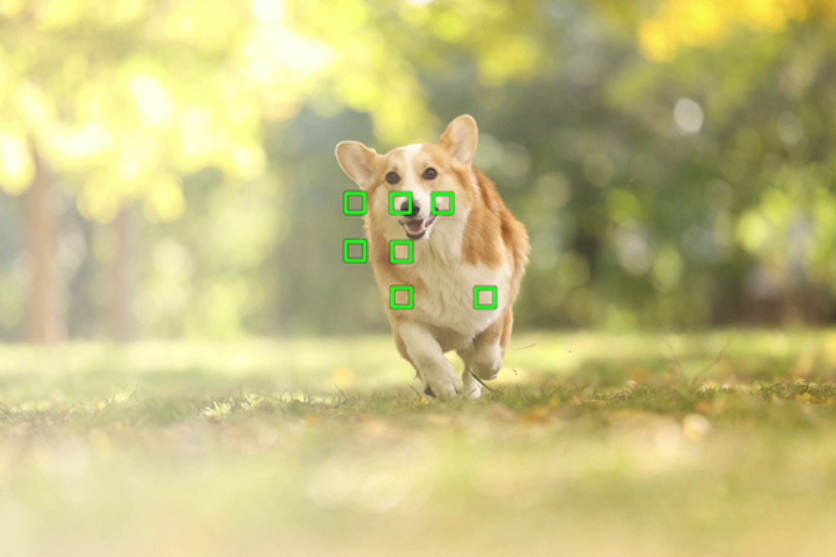
Although autofocus (AF) is now a common feature in focusing in photography, many people may not be familiar with the detailed technology and its differences. This article will explain the basics of AF and its features. In this article, we will explain the basics and applications of AF in detail.
What is autofocus (AF)?
Autofocus (AF) refers to the ability of a camera to automatically focus on a subject; there are multiple methods of AF, and the range of focus (distance measurement point) can be set by the focus area.
The latest AF systems not only focus accurately, but also track moving subjects. Motion tracking performance is especially essential for fast-moving subjects such as sports and animal photography.
Difference from manual focus (MF)
Manual focus (MF), on the other hand, is a method in which the photographer manually turns the focus ring on the lens to adjust the focus, and while MF allows the photographer to adjust the focus more as intended, it also requires familiarity and experience.
It is important to note that AF is not always the best solution, and there are situations where it is difficult to focus with AF, depending on the subject and environment. For example, there are many situations in which MF is better suited for dark or low-contrast subjects or complicated compositions.
Therefore, by properly using both AF and MF depending on the situation, you can create beautiful photographs of any subject.
Types of AF operation
There are three main modes of operation for the AF function of a camera. These are generally referred to as AF-S, AF-C, and AF-A, and each is suitable for different shooting scenes and subjects. Selecting the appropriate mode accordingly will make it easier to focus more reliably.
AF-S(single AF)

TAMRON 90mm F2.8 MACRO (Model F072) Focal length: 90mm Exposure: F11 Shutter Speed: 1/200sec ISO: 320
AF-S is the best mode for shooting stationary subjects. In this mode, once the subject is in focus, it remains fixed, making it ideal for landscapes, portraits, and other situations where there is little movement in the subject. Normally, the shutter release button is pressed halfway to bring the subject into focus, and then the composition is determined before shooting. This allows the photographer to take a picture in which the subject is firmly in focus.
AF-C (Continuous AF)

TAMRON 28-300mm F4-7.1 (Model A074) Focal length: 178mm Exposure: F7.1 Shutter Speed: 1/1250sec ISO: 200
AF-C is a mode that keeps tracking a moving subject. This mode is suitable for situations where the subject is constantly moving, such as sports or wildlife photography. Normally, in this mode, the camera will constantly focus on the subject for as long as the shutter release button is pressed halfway down, and then the shutter is pressed at the moment the picture is taken. Therefore, even with fast-moving subjects, the camera can take pictures with minimal subject blur without missing the shutter release opportunity.
AF-A (AF Switching)

TAMRON 50-400mm F4.5-6.3 (Model A067) Focal length: 400mm Exposure: F6.3 Shutter Speed: 1/320sec ISO: 800
AF-A is a mode in which the camera body automatically detects the subject’s movement and switches between AF-S and AF-C. This mode is suitable when the subject moves or stops and it is difficult to predict the next movement. For example, it is easy to use for subjects that suddenly start or stop moving, such as children or pets.
Types of focus areas
To use the camera’s AF function more effectively, it is also important to set the focus area. The focus area refers to the area that the camera will focus on. The types and names of available focus areas vary depending on the camera model, but in general they are as follows
Wide focus

TAMRON 50-400mm F4.5-6.3 (Model A067) Focal length: 400mm Exposure: F6.3 Shutter Speed: 1/800sec ISO: 320
Wide focus is a mode that automatically focuses the camera based on the entire frame. This mode is suitable for shooting subjects that move unexpectedly, such as animals. The advantage is that the camera automatically selects the focus position, allowing the photographer to concentrate on the subject and composition. However, care must be taken because the camera may focus on an unintended position.
Tracking Mode

TAMRON 35-150mm F2-2.8 (Model A058) Focal length: 35mm Exposure: F2.5 Shutter Speed: 1/2000sec ISO: 2000
Tracking mode is used in combination with AF-C (Continuous AF). In this mode, the camera continues to track the focus on the selected subject within the focus area. It is very effective for shooting subjects that are moving rapidly or moving within the frame. For example, it is suitable for chasing a specific person at a sports game or athletic meet, or for photographing animals such as wild birds.
Zone focus

TAMRON 28-75mm F2.8 G2 (Model A063) Focal length: 75mm Exposure: F2.8 Shutter Speed: 1/500sec ISO: 500
Zone focus is a mode that automatically focuses within a specified area. This mode is especially useful when a moving subject moves within a specific range. For example, it is useful in sports or bird photography when the subject’s movement is somewhat predictable. The camera focuses on the nearest subject or the area of highest contrast within the specified zone. This makes it more difficult for the camera to lose focus even if the subject moves slightly.
Center

TAMRON 70-300mm F4.5-6.3 (Model A047) Focal length: 168mm Exposure: F5.6 Shutter Speed: 1/400sec ISO: 200
Center Focus is a mode that automatically focuses on the area near the center of the frame. This mode is suitable for portraits and other situations where the subject is centered on the screen. If the subject is not in the center, you can use the Focus Lock function to lock the focus on the subject to change the composition.
Spot (Flexible Spot) and Extended Spot

TAMRON 90mm F2.8 MACRO (Model F072) Focal length: 90mm Exposure: F2.8 Shutter Speed: 1/640sec ISO: 800
Spot focus (also called Flexible Spot) is a mode that allows you to pinpoint focus on a specific small area. Generally, the size of the spot can be adjusted in this mode, and the appropriate size can be selected based on the size of the subject. This mode is ideal when precise focusing is required or when shooting complex compositions with many subjects.
Extended Spot is a mode that extends the function of Spot Focus. When it is difficult to focus on a spot, the focus area is expanded around the spot to assist in focusing. This allows for more reliable focusing and is useful for shooting moving or low-contrast subjects.
What is a distance measurement point
When setting the focus area, the term “distance measurement point” (also called the AF frame) is used. The distance measurement points are the focus detection points that the camera uses to autofocus. These points are usually visible in the viewfinder or on the LCD screen. The number of focusing points varies from camera model to camera model. In general, the more focusing points a camera has, the more flexible and accurate focusing is possible.
In particular, high-end models tend to have more distance measurement points, making it easier to focus on the smallest details of the subject and on locations near the edges of the frame. However, it is important to select the appropriate range and number of distance measurement points to suit the shooting scene and your preferences, rather than simply having a large number of distance measurement points itself.
Autofocus (AF) mechanism
There are a variety of AF technologies and methods, but currently there are three main methods, and a combination of these methods is used to achieve highly accurate AF. Here, we explain the mechanism and features of each AF method.
Phase detection AF
Phase detection AF is a method that divides the light incident on the lens into two parts and then uses a dedicated AF sensor to measure the displacement of the image formation position and bring it into focus. The advantage of this method is that it can focus more quickly than other methods. It is suitable for sports and fast-moving subjects, and allows photographers to capture fleeting shutter opportunities.
However, phase detection AF has several limitations. First, it requires a mirror and mechanism dedicated to AF, so it is basically a method used in single-lens reflex cameras, which also require a larger camera body.
Image phase detection AF
Image phase detection AF, like phase detection AF, detects the misalignment of the image formation positions of two images to bring them into focus. However, since this method incorporates an AF sensor on the image sensor to detect the phase difference, it has the advantage of being able to be mounted on mirrorless SLR cameras. It is faster than contrast AF, which will be discussed later, and can also be used for AF during video recording because it is reflected in the live view. It also contributes to making mirrorless SLR cameras smaller and lighter.
On the other hand, the disadvantages are that it tends to be somewhat slower than phase detection AF with respect to AF operation, and it tends to consume more power. In addition, in general, AF operation in dark areas tends to be inferior to contrast AF.
Contrast AF
Contrast AF is a method of focusing so that the contrast of the image on the image sensor is greatest while the lens is moved back and forth. This method is characterized by its relatively high AF accuracy, especially for stationary subjects in dark areas. However, because of its principle, it is necessary to check the contrast while moving the lens, which has the disadvantage that the AF tends to be slow.
Contrast AF does not require an AF sensor, so it can be used for live view and is also used in compact digital cameras and smartphones. In addition, since focusing is performed directly on the image sensor, AF is more accurate in principle.
Thus, since each method has its own advantages and disadvantages, combining these methods results in more accurate and faster AF.
Tamron’s autofocus (AF) technology
Tamron incorporates the VXD (Voice-coil eXtreme-torque Drive) in its lenses as the actuator that supports the latest AF technology.
VXD enables comfortable focusing from minimum focusing distance to infinity, even with large aperture lenses, and demonstrates stable AF performance over a wide shooting range.
The VXD’s extremely high focus tracking performance also makes it ideal for shooting fast-moving subjects. For example, it will not miss a moment in sports photography or portrait photography.
Another important feature of the VXD is that it generates little vibration during AF drive. This is a great advantage when shooting in environments where quietness is required. For example, it is ideal for shooting in quiet situations such as ceremonies and concerts, as well as for movie shooting.
Use your knowledge of AF for lens selection and focusing
Understanding how AF works, its types, and how to select the focus area will help you make the appropriate settings for various shooting situations. On the other hand, while AF is a useful feature, there are times when MF is more optimal, and understanding the characteristics of AF and using it appropriately will allow you to take pictures that are more in line with your image.

Lens Featured in this Impression
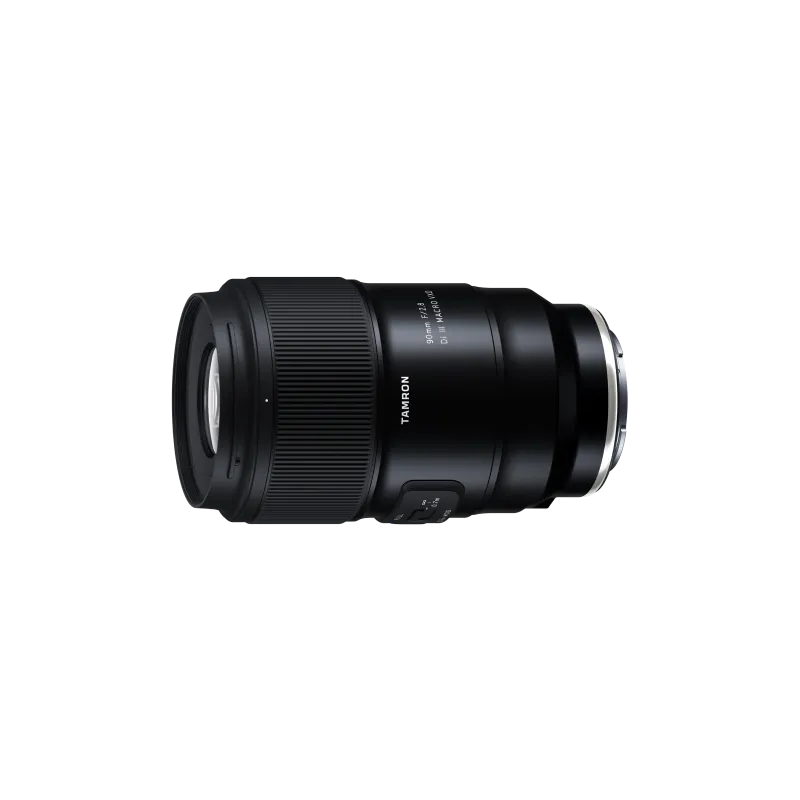
90mm F/2.8 Di III MACRO VXD (Model F072)
The 90mm F/2.8 Di III MACRO VXD (Model F072) is the mirrorless version of the TAMRON 90mm macro lens, beloved for many years. It offers outstanding resolution and optical performance, featuring TAMRON’s first 12-blade circular aperture for stunning bokeh and starburst effects. Its lightweight, compact design ensures easy portability, and the new hood with sliding window simplifies filter use. The lens is also compatible with TAMRON Lens Utility™ and has high-speed, high-precision AF, expanding possibilities for photography and videography. This lens blends TAMRON's legacy of brilliance with advanced technology, marking a new chapter in the 90mm macro lens history.
Learn more
28-300mm F/4-7.1 Di III VC VXD (Model A074)
28-300mm F/4-7.1 Di III VC VXD (Model A074) is a compact and versatile all-in-one 10.7x zoom lens for Sony E-mount. The lens boasts class-leading high image quality, and is equipped with high-speed AF VXD and VC. Go from wide-angle to long telephoto in an instant and capture every moment of the world around you.
Learn more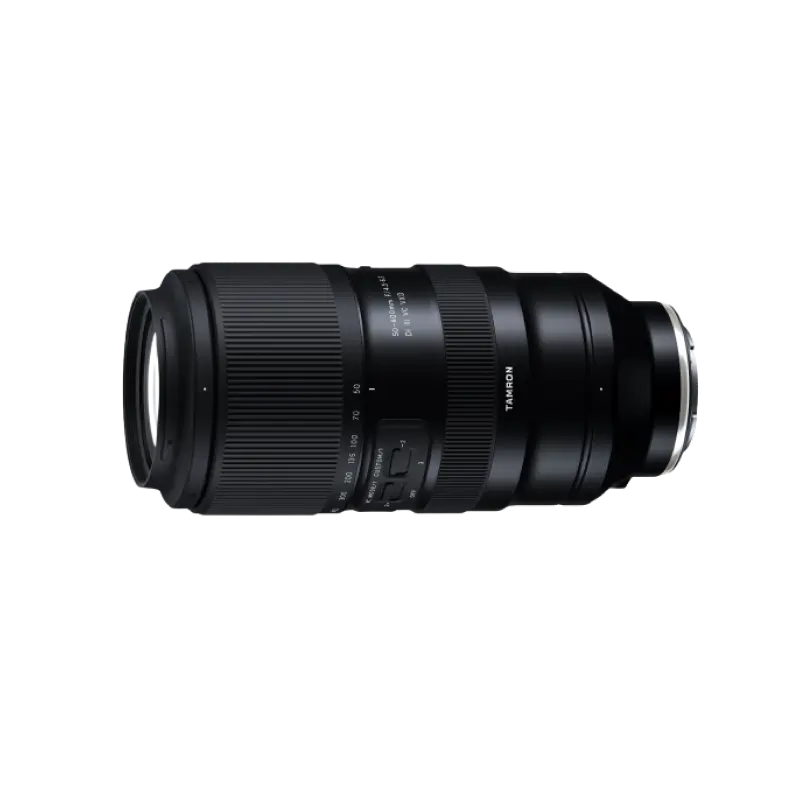
50-400mm F/4.5-6.3 Di III VC VXD (Model A067)
The 50-400mm F/4.5-6.3 Di III VC VXD (Model A067) is an ultra-telephoto zoom lens with an 8x zoom starting at 50mm at the wide-angle end and compatible with full-frame mirrorless cameras. The lens delivers uncompromised high image quality over the entire 50-400mm focal length range, yet is as compact and lightweight as a 100-400mm class lens. Equipped with the VXD mechanism and the VC mechanism, the lens can quickly focus on the subject's movement when shooting sports and wild birds. The 50-400mm F4.5-6.3 VC is a new ultra-telephoto zoom lens that combines unparalleled image quality and mobility.
Learn more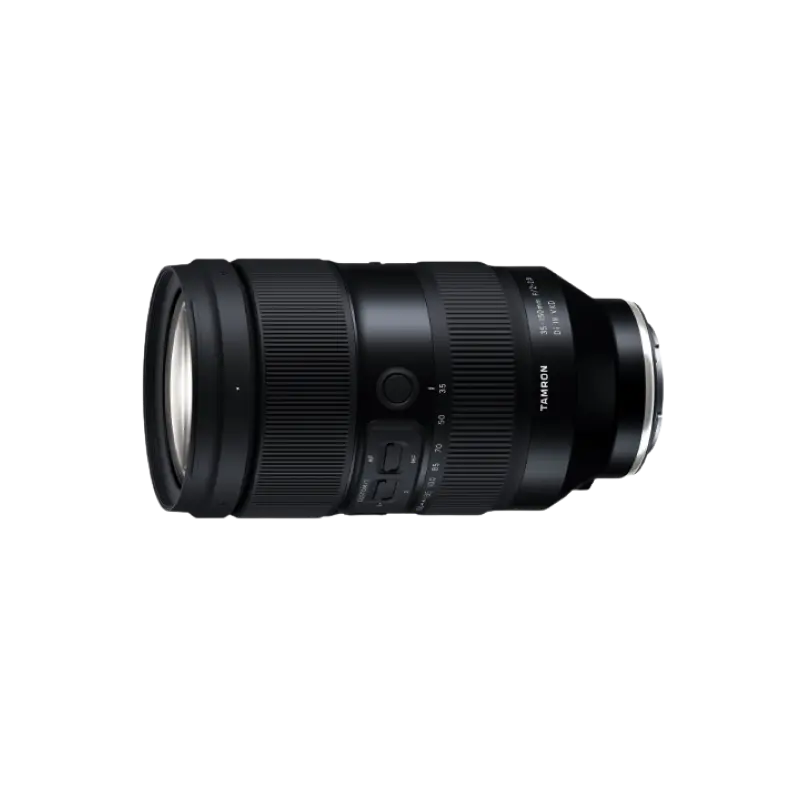
35-150mm F/2-2.8 Di III VXD (Model A058)
The 35-150mm F/2-2.8 Di III VXD (Model A058) is a high resolution travel zoom lens that covers everything from the 35mm wide angle to the 150mm telephoto focal length, the first zoom lens achieving an aperture of F2 at the wide angle end. It has a groundbreaking fast-aperture and utilizes the linear motor focus mechanism VXD (Voice-coil eXtreme-torque Drive), thereby achieving high speed, high precision autofocusing. The innovative lens design enabled us to greatly improve the lens's grip and functionality. The software, developed in-house, enables to easily customize functions and to update firmware.
Learn more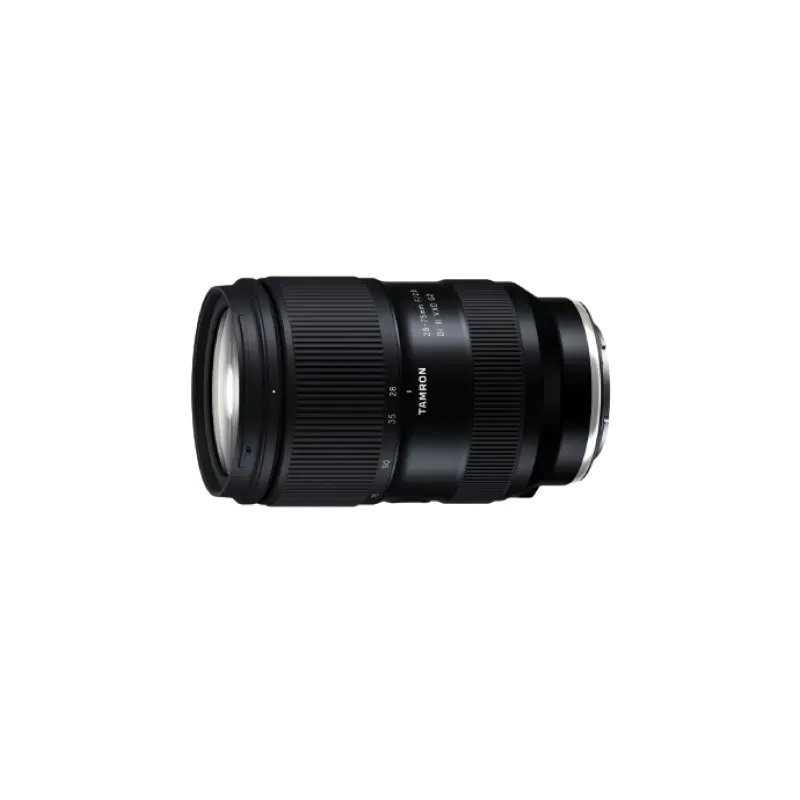
28-75mm F/2.8 Di III VXD G2 (Model A063)
28-75mm F/2.8 Di III VXD G2 (Model A063) is the second-generation fast-aperture standard zoom lens for Sony and Nikon full-frame mirrorless cameras, offering significantly improved optical and autofocus performance and new function customization.
Learn more